
E-Invoicing in Healthcare Industry: A Simple Guide
Stay Compliant, Stress Free
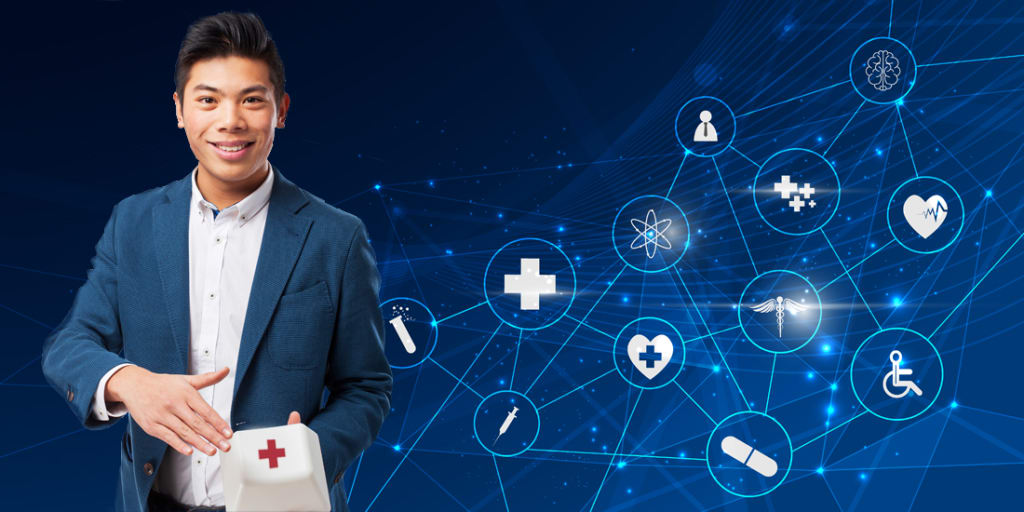
Malaysia is rolling out e-Invoicing in healthcare industry, and hospitals, clinics, and medical professionals need to know how it affects their billing processes. This guide breaks down the key changes in a simple and easy-to-understand way.
1. Will hospitals need to change how they issue invoices?
Right now, hospitals issue invoices based on who is paying:
Patients who pay for themselves
Insurance companies, employers, or guardians paying on behalf of a patient
Companies covering medical expenses for employees
These billing arrangements will stay the same under e-Invoicing in healthcare industry. Exception: If the patient is a minor (under 18), the invoice should include the parent/guardian’s details.
2. Can hospitals issue one e-Invoice for all self-paying patients?
Yes! If a patient does not need an e-Invoice, the hospital can issue a single consolidated e-Invoice for all similar transactions.
3. How does e-Invoicing work for insurance claims?
Currently, hospitals send a proforma bill to insurance companies before getting a Final Guarantee Letter (FGL) and finalizing the bill.
With e-Invoicing:
Hospitals can continue using proforma invoices for insurance claims. If an e-Invoice is requested, it must be issued after the final bill is ready (e.g., after the patient is discharged).
If no e-Invoice is requested, hospitals can issue a normal bill and later submit a consolidated e-Invoice within 7 days after month-end.
4. How should hospitals issue e-Invoices for independent consultants?
Hospitals work with independent consultants in two ways:
(1) Co-Provision of Medical Services
Both the hospital and consultant will issue separate e-Invoices to the patient.
(2) Outsourcing Arrangement
The hospital issues an e-Invoice to the patient, covering both hospital and consultant fees. The consultant (or their company) issues an e-Invoice to the hospital for their services.
5. Do locum doctors and nurses need to issue e-Invoices?
It depends on how they are hired:
If they are independent (contract for service), they must issue an e-Invoice to the hospital.
If they work through an agency, the agency must issue the e-Invoice.
If they are hospital employees, no e-Invoice is needed.
6. What happens when a patient is transferred between hospitals?
Scenario 1:
The first hospital discharges the patient before transfer. Both hospitals issue separate e-Invoices for their treatments.
Scenario 2:
The first hospital waits until the patient returns before issuing a bill. First hospital issues an e-Invoice for all services, including those from the second hospital. Second hospital issues an e-Invoice to the first hospital for its services.
Both methods are acceptable under e-Invoicing rules.
7. Do hospitals need to issue e-Invoices for space rental & service fees?
Yes! Hospitals must issue e-Invoices for:
Rental fees charged to independent consultants
Rental payments from cafes, convenience stores, or other tenants
8. Should hospitals submit summary or detailed bills for e-Invoicing?
Hospitals must issue e-Invoices based on thedetailed bill (itemized breakdown of charges).
9. Do medical consultants need to implement e-Invoicing if the hospital is required to?
Not necessarily. Even if a hospital’s revenue exceeds RM100 million, individual consultants only need to comply when their own revenue meets the threshold.
10. What about deposits collected by hospitals?
Refundable deposit: No e-Invoice needed.
Non-refundable deposit: E-Invoice required.
For self-paying patients who don’t need an e-Invoice, hospitals can issue a consolidated e-Invoice.
11. How should hospitals handle e-Invoices for staff medical benefits?
If the hospital already issues invoices for staff medical benefits:
It must now issue an e-Invoice (with a nil amount if services are free).
If no invoices are issued today:
No need to start issuing e-Invoices for staff medical benefits.
Conclusion
The e-Invoicing in healthcare is designed to improve compliance, transparency, and efficiency in Malaysia’s healthcare industry. Most hospitals can keep their current billing process, but they must ensure e-Invoices are issued where required.
About the Creator
Keep reading
More stories from Prashant Upadhyay and writers in Education and other communities.
E-Invoicing Malaysia
1. What is e-invoicing in Malaysia? E-Invoicing is a form of electronic billing. This term is used to define the process by which a transaction between two parties (a buyer and seller) is documented electronically, in order to ensure their trading agreements are being met. The e-invoices are sent through government portals for validation and recordkeeping.
By Prashant Upadhyay11 months ago in Futurism
How Can I Increase My Transcription Speed and Earnings
If you’ve been transcribing for a while, you already know that speed matters—but speeding up doesn’t mean cutting corners. It means finding smarter ways to work, improving efficiency, and using modern tools (including AI) to support your workflow.
By Mahesh Kumarabout 9 hours ago in Education
One Unchecked Box
"Republished" because it was the only way to add the embed for the newly recorded audio version of this story due to the Top Story badge. Plus it serves as a nice, informal announcement of the podcast's revival for another season (go subscribe!):
By Stephen A. Roddewig6 days ago in Fiction



Comments
There are no comments for this story
Be the first to respond and start the conversation.