
Dua e Qunoot: Its Role in Witr Prayer and Other Occasions of Distress
The Essence of Dua e Qunoot

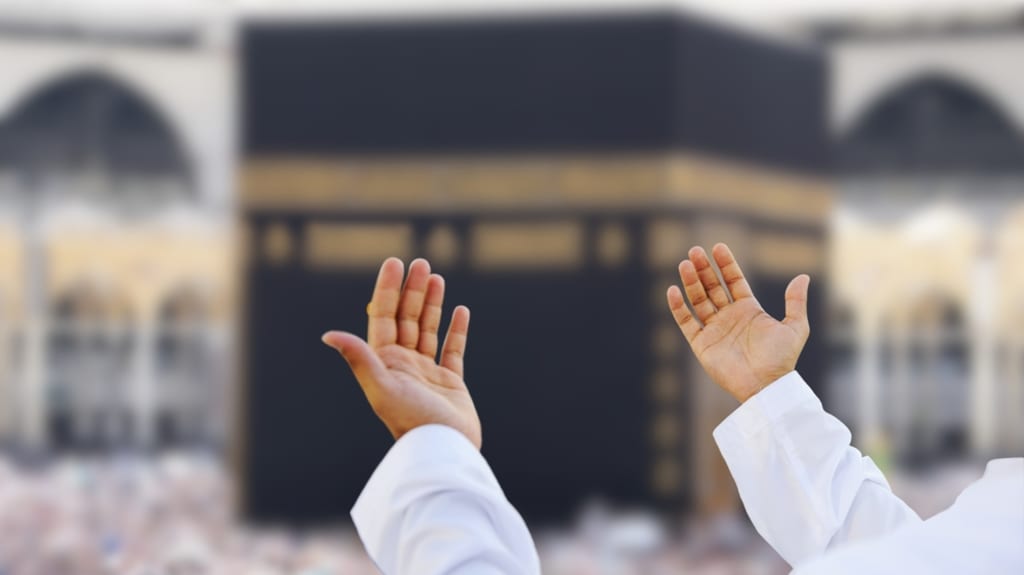
Dua e Qunoot holds a special place in Islamic tradition, known primarily for its recitation during the Witr prayer. This supplication, rich in meaning and significance, extends beyond the confines of formal prayers and serves as a beacon of hope and solace in times of distress. Understanding its role not only enhances our prayer experience but also deepens our connection with Allah.
The Essence of Dua e Qunoot
Dua e Qunoot is a supplication made during the Qunoot phase of Salah, particularly emphasized during the Witr prayer, which is performed after the obligatory Isha prayer. The term "Qunoot" itself refers to a state of humility and submission before Allah. The dua encompasses various themes, including seeking guidance, mercy, and protection from evil. It reflects a believer's acknowledgment of their dependence on Allah's grace, especially during difficult times.
Witr Prayer: A Sacred Tradition
Witr prayer, regarded as a Sunnah Mu’akkadah (a highly recommended practice), consists of an odd number of rak'ahs, typically performed after the Isha prayer. The significance of Witr lies in its unique structure, which culminates in a heartfelt supplication. The recitation of Dua e Qunoot during this prayer symbolizes the culmination of the worshiper’s efforts throughout the day, allowing them to seek forgiveness and guidance as they prepare for the night.
The practice of reciting Dua e Qunoot in Witr has roots in both the Sunnah of the Prophet Muhammad (peace be upon him) and the practices of the early Muslim community. The Prophet would often recite this dua in a clear and heartfelt manner, encouraging his followers to do the same. This tradition emphasizes the importance of making sincere supplications, especially during the concluding moments of the day.
The Structure of Dua e Qunoot
Dua e Qunoot is characterized by its eloquent expressions and powerful themes. It typically includes requests for guidance, mercy, forgiveness, and protection. The dua can be recited in Arabic or in the individual's native language, allowing for personal connection and understanding. The flexibility of the dua enhances its accessibility, enabling Muslims to engage with it deeply.
When reciting Dua e Qunoot, worshipers often reflect on their personal struggles and aspirations. This moment of connection fosters a sense of inner peace and reassurance, reminding believers that Allah is always there to listen and respond.
Beyond Witr: Dua e Qunoot in Times of Distress
While Dua e Qunoot is primarily associated with Witr prayer, its essence extends into various aspects of daily life. Muslims are encouraged to invoke this dua during times of distress, whether personal or communal. The act of turning to Allah in supplication during challenging moments is an expression of faith and trust.
In many cultures, communal prayers are held during crises, such as natural disasters or widespread hardship. Dua e Qunoot is often recited collectively, serving as a means of uniting the community in prayer. This collective supplication not only strengthens communal bonds but also reinforces the belief that, through prayer, relief and support can be sought from the Divine.
The Impact of Dua e Qunoot on Personal Well-being
Reciting Dua e Qunoot in times of distress can have a profound impact on a believer's mental and emotional state. It provides an opportunity to express vulnerability and seek help from a higher power. This act of surrender can be incredibly therapeutic, offering solace in the face of adversity. Believers often report feelings of relief and tranquility after engaging in heartfelt supplications, highlighting the psychological benefits of connecting with Allah.
Additionally, the themes of forgiveness and mercy in Dua e Qunoot encourage self-reflection. In moments of hardship, individuals may feel burdened by their own mistakes or past actions. The dua serves as a reminder of Allah's infinite mercy, allowing believers to let go of their worries and seek forgiveness, fostering a sense of hope and renewal.
Conclusion
Dua e Qunoot is a beautiful supplication that encapsulates the essence of humility and reliance on Allah. While its primary role is during the Witr prayer, its significance extends into daily life, especially during times of distress. By embracing this dua, Muslims can cultivate a deeper connection with their faith, finding comfort and strength in their supplications. Whether in the quiet of night or amidst communal gatherings, Dua e Qunoot serves as a reminder of the power of prayer and the boundless mercy of Allah, guiding believers through the trials of life with hope and grace.
About the Creator
Designing a Meaningful Future: Strategic Planning for Mission-Focused Entrepreneurs
In today’s evolving business landscape, entrepreneurs are increasingly motivated by more than financial success. Many are building companies around a mission to create social, environmental, or community-driven impact. While passion and vision ignite these ventures, strategic planning transforms purpose into a lasting, scalable business. For mission-focused entrepreneurs, planning is not about restriction but about clarity, alignment, and sustainable growth.
By Mario Payne3 days ago in Education
Why Did Einstein Dislike Quantum Mechanics? The Greatest Scientific Disagreement Ever
Einstein Helped Create Quantum Mechanics It is often forgotten that Einstein was a pioneer of quantum physics. In 1905, Einstein proposed that light comes in discrete packets called photons. This explained the photoelectric effect and earned him the Nobel Prize. His work was one of the pillars of quantum theory.
By shahkar jalal7 days ago in Education
Wild Card Weekend Recap: What Happens Now?
I think I figured out why I love Wild Card Weekend so much. It's because it's the first playoff anything of the calendar year. The NFL season starts in the fall, and once upon a time, the champion was crowned either on or slightly before New Year's. The evolution of the NFL schedule has resulted in the playoffs starting just into the New Year, and currently, the final week of the season falls on the first weekend of the New Year, with Wild Card Weekend coming a week after that. So yes, chronologically, the NFL's Wild Card Weekend serves as the first playoff anything of the calendar year.
By Clyde E. Dawkins7 days ago in Unbalanced




Comments
There are no comments for this story
Be the first to respond and start the conversation.