
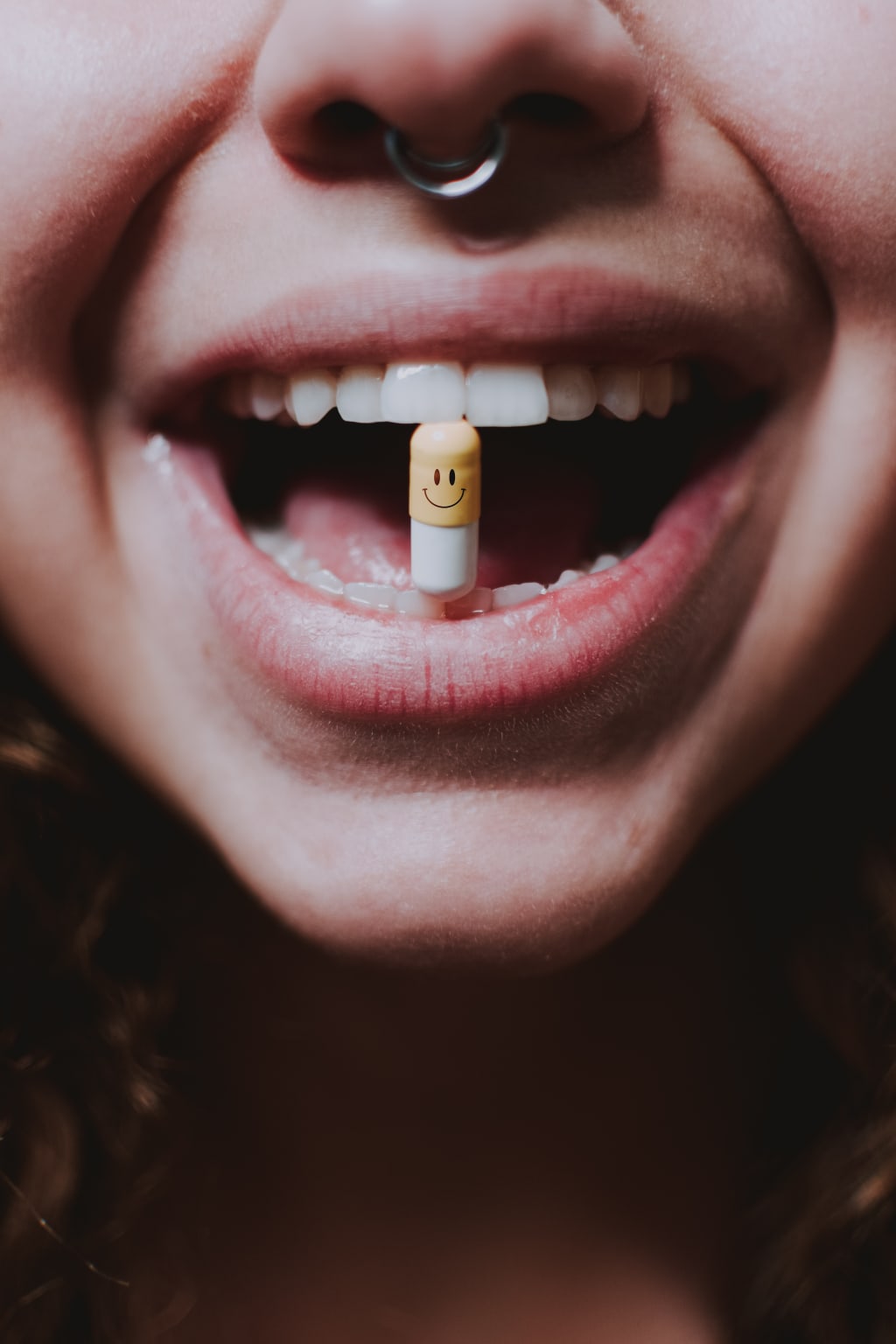
The Pill Predicament: Understanding the Misuse and Abuse of Prescription Medications
Prescription medications, commonly referred to as "pills," have revolutionized modern medicine and significantly improved the quality of life for countless individuals. These medications, when used appropriately and under the guidance of a qualified healthcare professional, can effectively manage a wide range of medical conditions, from chronic pain to mental health disorders. However, with the growing availability and use of prescription medications, there has been a parallel rise in their misuse and abuse, leading to a concerning public health issue. The misuse and abuse of pills pose significant risks to individuals' health and well-being, and it is crucial to understand the scope of the problem and implement effective strategies to address it.
Prescription medications are drugs that are legally obtained through a prescription from a licensed healthcare provider. They include various types of medications, such as opioids for pain management, stimulants for attention deficit hyperactivity disorder (ADHD), benzodiazepines for anxiety and sleep disorders, and sedatives for insomnia. These medications are highly regulated and are intended to be used only as directed by a qualified healthcare professional. However, when misused or abused, prescription medications can have serious consequences.
Misuse of prescription medications refers to using medications in a way other than as prescribed by a healthcare professional. This includes taking higher doses than prescribed, taking medications more frequently than prescribed, using medications without a prescription, or using medications that were prescribed for someone else. Misuse can occur unintentionally, such as when a person forgets to take their medication as prescribed or takes an extra dose to alleviate symptoms. However, it can also be intentional, such as when a person seeks to self-medicate or achieve euphoric effects.
Abuse of prescription medications involves using medications for non-medical purposes to achieve pleasurable effects, such as euphoria, relaxation, or altered states of mind. This often involves taking medications in higher doses or in a manner other than prescribed, such as crushing pills to snort or inject them, which can result in a more rapid and intense effect. Prescription medications are sometimes abused in combination with other substances, such as alcohol or illicit drugs, which can increase the risks and severity of adverse effects.
One of the primary factors contributing to the misuse and abuse of prescription medications is their easy accessibility. Prescription medications are widely available and are prescribed by healthcare providers for legitimate medical purposes. However, medications that are not used as prescribed can be diverted and end up in the hands of individuals for whom they were not intended. This can occur through various means, such as sharing medications with friends or family members, obtaining medications from multiple healthcare providers ("doctor shopping"), or obtaining medications from illegal sources, such as online pharmacies or the illicit market.
There are several reasons why individuals misuse or abuse prescription medications. Some may misuse medications in an attempt to self-medicate for physical or emotional pain or to cope with stress, anxiety, or mental health disorders. Others may misuse medications for recreational purposes, seeking the pleasurable effects they can produce. Peer pressure, curiosity, and a misguided belief that prescription medications are safer than illicit drugs are also common reasons for misuse and abuse. Additionally, some individuals may develop a dependence on prescription medications after prolonged use for a legitimate medical condition, leading to misuse or abuse.
The consequences of misusing and abusing prescription medications can be severe and far-reaching. These medications are powerful drugs that can have significant impacts on the body and mind, and their misuse can result in a wide range of adverse effects. Physical consequences can include respiratory depression, heart and liver problems, seizures, gastrointestinal issues, and other serious health problems. Mental health consequences can include mood swings, cognitive impairments, and worsening of mental health disorders. The Dangers of Drug Abuse: Understanding the Risks and Seeking Help
Drug abuse is a pervasive problem that affects individuals, families, and communities worldwide. It refers to the harmful or excessive use of drugs, both legal and illegal, for non-medical purposes. Drug abuse can have severe physical, emotional, and social consequences, and it is crucial to understand the risks and seek help if you or someone you know is struggling with drug abuse.
One of the most significant risks of drug abuse is its impact on physical health. Different drugs can have varying effects on the body, but many of them can cause serious health problems. For example, the use of drugs such as opioids, which are commonly prescribed for pain relief, can lead to respiratory depression, overdose, and death. Long-term use of drugs like cocaine, methamphetamine, or synthetic cannabinoids can damage the heart, lungs, liver, and other vital organs, leading to chronic health conditions that can be debilitating or even fatal.
In addition to the physical risks, drug abuse also has profound emotional and mental health consequences. Drug use can alter brain chemistry, leading to mood swings, anxiety, depression, paranoia, and other mental health disorders. Many people turn to drugs as a coping mechanism to escape from emotional pain or traumatic experiences, but over time, drug abuse can exacerbate these issues and lead to a vicious cycle of addiction and mental health problems.
Drug abuse also has significant social consequences. It can strain relationships with family and friends, lead to loss of employment or financial instability, and disrupt normal daily activities. Substance abuse can also result in legal problems, such as arrests, fines, and incarceration, which can have long-term consequences on an individual's life, including difficulties in finding employment or housing.
It is important to understand that drug abuse is not a moral failing or a lack of willpower, but rather a complex and chronic disease that requires professional help for recovery. Treatment for drug abuse typically involves a combination of medical, psychological, and social interventions. Medical detoxification, counseling, therapy, support groups, and lifestyle changes are often part of a comprehensive treatment plan.
If you or someone you know is struggling with drug abuse, seeking help is essential. Here are some steps you can take:
1. Recognize the signs: Educate yourself about the signs and symptoms of drug abuse, which may include changes in behavior, mood swings, physical health problems, neglecting responsibilities, and withdrawal from social activities.
2. Reach out for support: Talk to a trusted friend, family member, or a healthcare professional about your concerns. They can provide emotional support, help you understand the treatment options available, and guide you in finding appropriate resources for help.
3. Seek professional help: A healthcare professional, such as a doctor, therapist, or addiction specialist, can assess your situation and recommend an individualized treatment plan. This may include detoxification, counseling, therapy, or other interventions depending on the severity of the drug abuse.
4. Build a support system: Surround yourself with a supportive network of people who understand and can provide encouragement during your recovery journey. This may include friends, family, support groups, or a sponsor in a 12-step program.
5. Make lifestyle changes: Recovery from drug abuse often involves making positive changes in various areas of life, such as improving physical health, managing stress, developing healthy coping skills, and avoiding triggers and environments that may lead to drug use.
6. Stay committed to recovery: Recovery from drug abuse is a lifelong process that requires commitment and effort. It is important to follow the treatment plan recommended by healthcare professionals, attend counseling or therapy sessions, and participate in support groups to maintain sobriety and prevent relapse.
In conclusion, drug abuse is a serious and complex problem with significant physical, emotional, and social consequences.
Itsssentialdditionallyeisuse
About the Creator
Reader insights
Outstanding
Excellent work. Looking forward to reading more!
Top insight
Expert insights and opinions
Arguments were carefully researched and presented
Keep reading
More stories from writers in Education and other communities.
Inside the World of Celebrity Lighting and Brand Productions
Inside the world of celebrity lighting and brand productions, visual design becomes a powerful creative force that shapes emotion, atmosphere, and public perception. High-profile events depend on lighting to create unforgettable moments, elevate brand identity, and craft immersive environments that reflect prestige and artistry.
By Brian Casellaa day ago in Education
Bankroll Management for Poker Pros: Strategies to Ensure Long-Term Success
For professional poker players, skill at the table is only part of the equation. Even the most talented pros can face financial disaster without proper bankroll management. In a game built on variance, long-term success depends not only on making the right decisions during hands but also on managing money wisely outside of them.
By Micah Raskina day ago in Education
A Letter to the Firestarter
Dear Firestarter, We can all see you, we've been watching you since you began. In case you didn't know we were here before you and we will be here after. We witnessed your rise, your setbacks, your guilt and your lies. We witnessed you start the fire.
By Donny Foley4 days ago in Poets


Comments
There are no comments for this story
Be the first to respond and start the conversation.