
DROPSHIPPING BUSINESS
DROPSHIPPING BUSINESS

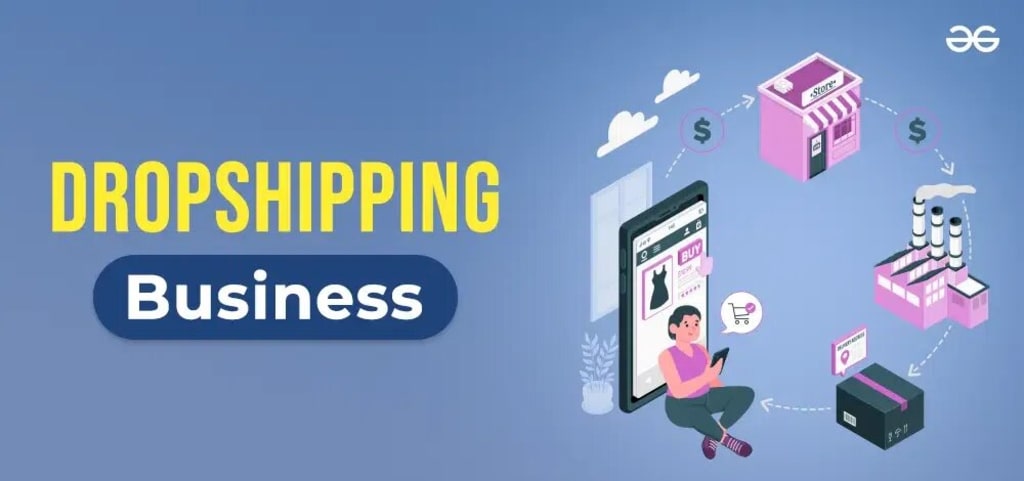
A Comprehensive Guide to Starting a Dropshipping Business
Introduction
Dropshipping has gained immense popularity as a low-risk and cost-effective business model for entrepreneurs worldwide. With the continuous growth of e-commerce, it presents a unique opportunity for individuals to start an online store without the need for inventory management or significant upfront investment. This comprehensive guide delves into the essential steps, advantages, challenges, and tools needed to build a successful dropshipping business.
What is Dropshipping?
Dropshipping is a retail fulfillment method where store owners sell products without holding any physical inventory. When a customer places an order, the store purchases the product from a third-party supplier who ships it directly to the customer. This model allows entrepreneurs to operate without the burden of warehousing, managing stock, or handling shipping logistics.
Advantages of Dropshipping
1. **Low Startup Costs:** Entrepreneurs can launch a store without purchasing inventory, significantly reducing initial financial risk.
2. **Ease of Operation:** User-friendly e-commerce platforms simplify store setup and management.
3. **Broad Product Range:** Access to countless products through supplier networks without physical stock constraints.
4. **Flexible Work Location:** Operate your business from anywhere with internet connectivity.
5. **Scalability:** Suppliers handle fulfillment, allowing business owners to focus on growth strategies.
Steps to Start a Dropshipping Business
1. Market Research
Conduct thorough market research to identify profitable niches. Analyze market trends, competition, and consumer demand using tools like Google Trends, SEMrush, and niche-specific forums. Select products with steady demand and minimal saturation.
2. Choose a Business Model
Select between a single-product store, niche-focused store, or general store:
- **Single-product store:** Focuses on marketing one standout product.
- **Niche store:** Targets a specific market segment (e.g., eco-friendly products).
- **General store:** Offers a variety of products across multiple categories.
3. Select Reliable Suppliers
Partner with trustworthy suppliers to ensure product quality and timely delivery. Use directories and platforms like AliExpress, Oberlo, and SaleHoo. Prioritize suppliers with positive reviews, clear policies, and consistent performance.
4. Build Your Online Store
Use e-commerce platforms such as Shopify, WooCommerce, or BigCommerce to create your store. Design an attractive, user-friendly website that reflects your brand identity. Ensure seamless navigation, mobile responsiveness, and secure payment gateways.
5. Develop a Marketing Strategy
Implement multi-channel marketing to drive traffic:
- **Search Engine Optimization (SEO):** Optimize product listings and content to improve search rankings.
- **Social Media Marketing:** Use platforms like Instagram, Facebook, and TikTok to reach target audiences.
- **Influencer Collaborations:** Partner with influencers to promote products.
- **Paid Advertising:** Leverage Facebook Ads, Google Ads, and Pinterest Ads for targeted campaigns.
6. Manage Operations Efficiently
Focus on customer service, order processing, and inventory updates. Use automation tools to streamline operations. Maintain clear communication with suppliers and customers to manage expectations and resolve issues promptly.
7. Analyze and Optimize Performance
Use analytics tools to track sales, website traffic, and marketing effectiveness. Google Analytics, Facebook Pixel, and heatmaps can provide insights. Regularly review data to refine strategies and optimize conversions.
Common Challenges and Solutions
- **Supplier Reliability:** Vet suppliers thoroughly and order sample products to assess quality.
- **Market Saturation:** Differentiate with unique branding, targeted marketing, and exceptional customer service.
- **Long Shipping Times:** Set transparent shipping expectations and consider local suppliers for faster delivery.
- **Low Profit Margins:** Implement strategic pricing, upselling, and cross-selling to increase order value.
Essential Tools and Resources
- **E-commerce Platforms:** Shopify, WooCommerce, BigCommerce
- **Supplier Networks:** AliExpress, Oberlo, SaleHoo
- **Marketing Tools:** Google Analytics, Facebook Ads Manager, Canva
- **Automation Tools:** Oberlo, DSers, AutoDS
- **Customer Service:** Zendesk, LiveChat, Freshdesk
Success Tips for Dropshipping Entrepreneurs
1. **Test and Validate Products:** Launch small ad campaigns to test product viability.
2. **Focus on Branding:** Create a memorable brand that resonates with your target audience.
3. **Prioritize Customer Experience:** Offer fast responses, clear communication, and hassle-free returns.
4. **Leverage Social Proof:** Use customer reviews and user-generated content to build trust.
5. **Stay Updated with Trends:** Keep up with industry changes and adapt quickly.
Conclusion
Starting a dropshipping business is an accessible path to entrepreneurship with immense potential for success. By conducting in-depth market research, choosing reliable suppliers, and executing strategic marketing plans, you can build a thriving online store. Challenges such as supplier reliability and market competition can be overcome with proactive management and continuous optimization. With dedication and a customer-centric approach, your dropshipping business can achieve sustainable growth and long-term success.
About the Creator
Himansu Kumar Routray
i am a creative writer on Vocal Media, passionate about crafting stories that inspire and engage. Covering topics from lifestyle and self-growth to fiction, Outside writing, always seeking new ideas to spark their next story.
Keep reading
More stories from Himansu Kumar Routray and writers in Education and other communities.
Mastering Affiliate Marketing: Strategies for Success in the Digital Age
Unlocking the Potential of Affiliate Marketing: A Comprehensive Guide In the dynamic world of digital marketing, affiliate marketing has emerged as a powerful tool for businesses and individuals alike. This performance-based marketing strategy enables companies to expand their reach and sales while allowing affiliates to earn passive income by promoting products or services. This article delves into the fundamentals, strategies, benefits, challenges, and future trends of affiliate marketing.
By Himansu Kumar Routrayabout a year ago in Education




Comments
There are no comments for this story
Be the first to respond and start the conversation.