
Do Flights Get Cancelled Due to Snow?
Flights Get Cancelled Due to Snow
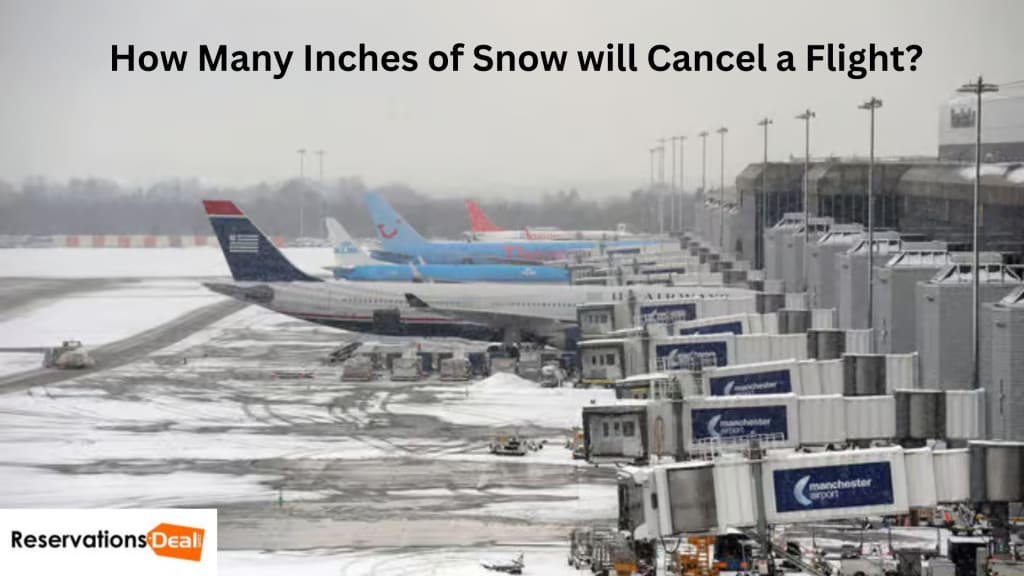
Yes, flights can be cancelled due to snow, but it usually depends on the severity of the snowstorm, the location, and the preparedness of the airport and airline. While snow itself isn’t necessarily dangerous for planes during flight, it can cause significant disruptions on the ground, which might lead to flight cancellations. Here’s why snow can cause cancellations:
1. Runway and Ground Operations
Snow accumulation on runways, taxiways, and other critical areas can make it difficult for planes to take off or land safely. Airports typically have snowplows and other equipment to clear these areas, but if the snow is falling too quickly or too heavily, it can overwhelm airport operations, leading to delays or cancellations.
In particularly heavy snow, airports may temporarily close their runways or limit the number of flights allowed to take off. This can create a backlog of planes, resulting in cancellations.
2. De-Icing Procedures
Planes need to be properly de-iced before taking off, as snow and ice can build up on the wings and other critical areas. During snowstorms, this de-icing process may take longer than usual. If the airport is experiencing a high volume of flights and the de-icing crews are busy, some flights may be delayed or canceled.
3. Visibility Issues
Heavy snow can significantly reduce visibility at airports, making it challenging for pilots to take off and land safely. Pilots rely on radar and instruments to guide them through low-visibility conditions, but if the snowstorm is severe enough to reduce visibility to dangerous levels, flights may be canceled or delayed.
4. Air Traffic Control
During snowstorms, air traffic control can become congested due to weather-related delays, and planes may be spaced further apart to ensure safe operations. This can create a domino effect, leading to further delays or cancellations. In extreme cases, air traffic controllers may limit the number of departures or arrivals, especially in areas where snow accumulation is heavy.
5. Airport Capacity and Location
Airports in regions that frequently experience snow (such as Chicago, Denver, or Minneapolis) are generally better equipped to handle winter weather. However, airports in areas that don’t experience much snow (like Atlanta or Dallas) may have fewer resources to manage snow-related disruptions, making them more likely to cancel flights even with a smaller amount of snow.
6. Severe Weather Conditions Beyond Snow
Often, flights are not canceled solely due to snow, but because of the broader winter storm conditions. These can include things like freezing rain, ice, or strong winds, which can complicate flight operations. In some cases, these weather conditions can make it unsafe for flights to take off, regardless of the amount of snow.
How to Prepare for Snow-Related Cancellations
If you’re flying during the winter months, it’s important to stay informed about the weather and check your flight status regularly. Here are a few tips to help you prepare:
Check your flight status: Airlines typically update flight information in real time on their websites or apps, so keep an eye on any potential delays or cancellations.
Arrive early: With the added complexity of snow and ice removal, you may want to arrive at the airport earlier than usual to give yourself extra time for check-in and security.
Consider travel insurance: If you’re traveling during a particularly bad snowstorm, travel insurance can help protect you if your flight is canceled or delayed for an extended period.
Have a backup plan: If your flight is canceled, it’s helpful to have a backup flight or plan in place, whether that means flying on another airline or adjusting your travel plans.
Conclusion
While snow itself doesn’t directly affect a plane’s ability to fly, it can cause delays and cancellations due to issues on the ground, like runway clearance, de-icing procedures, and visibility concerns. Airports and airlines take extensive precautions to manage snow, but when the weather is extreme, cancellations can still happen. Always check your flight status ahead of time and be prepared for potential disruptions during winter storms.
About the Creator
Serving Beyond the Pulpit: The Many Ways People Contribute to Church Life
Service within the church extends far beyond preaching from the pulpit. It encompasses a wide range of actions that support the congregation, nurture community, and foster spiritual growth. Members contribute in meaningful ways through teaching, organizing events, assisting with programs, and providing personal support to others. By engaging in these activities, individuals strengthen the life of the church while cultivating their own sense of purpose and faith. Volunteering in any capacity becomes an expression of dedication, demonstrating that every contribution, no matter its size, matters.
By Mike Signorelli4 days ago in Education
Real Estate Reinvented: Trends Steering the Market Forward in 2026
Over the past few years, homebuyer behavior has undergone a significant transformation. People are no longer just looking for shelter; they’re searching for spaces that support health, productivity, and lifestyle flexibility. Open floor plans, wellness-focused amenities, and smart home features have become essential. With more individuals working from home, buyers now value extra rooms for offices or studios, along with high-speed internet and private outdoor areas.
By Michael O'Sullivan Hampton5 days ago in Education



Comments
There are no comments for this story
Be the first to respond and start the conversation.