
Dispelling myths about body odour
Sweat is not smelly
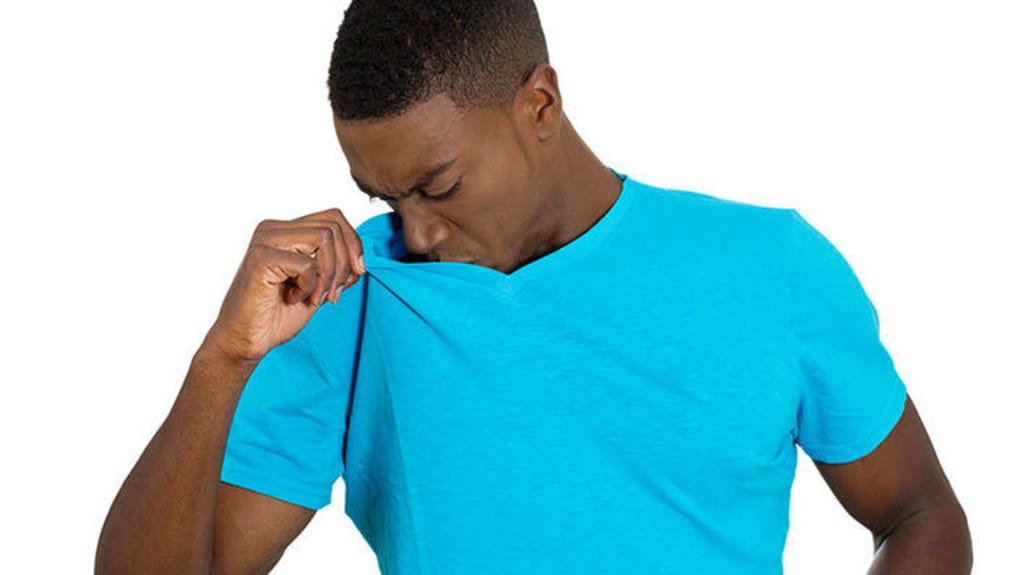
When the body needs to cool down, sweating is a normal biological function that takes place. It contains water, salts, and other compounds and is produced by sweat glands, which are found all over the body. Sweat has been the focus of numerous stories and legends over time. We'll look at a few of the most intriguing myths about perspiration in this article.
Myth 1: All sweat is water
The idea that sweat is merely water is among the most pervasive misunderstandings about it. Although sweat does contain some water, it also contains a variety of other chemicals and materials, including salt, urea, and lactic acid. Sweat can have a variety of different chemical makes up depending on the person and the situation, but it never contains only water.
Myth 2: . Sweat is smelly
This is untrue because sweat is odorous. We actually produce two different forms of sweat. The first is produced by our eccrine glands, which are found all throughout the body and aid in thermoregulation. We have apricorn glands, which are sweat glands that we see in places like the underarms, groin, and chest—all the areas that we sometimes associate with being smelly—to help us cool off when we're exercising when we start to get too hot. However, the actual sweat from the apocrine glands does not smell, so why does that area smell? It is a result of the bacterium that inhabits certain locations and uses it as sustenance.That was the most poetic description of sweat i've ever heard, thank you. That genuinely smells awful. One quick tip to keep in mind to help with the smelly odor is to remember that there are thousands of different types of bacteria, fungus, yeast, and other organisms on your body. This is completely normal; they are a part of our microbiome. Here are some quick reminders to help with the smelly odor: First, shower every day; second, eat a healthy diet; third, pay attention to your nose. If your body is not producing at its peak, you will smell it. There are several medical conditions that do make it okay to visit the doctor if anything becomes severe.
There are many different treatments for treating "smelly armpits," number one of which is probably showering with antibacterial soap. There are two percent of the population who have a special mutation, I believe it's the abcc 11 gene, they don't have smelly odors so not everyone's armpits stink. You might assume that botox is only used for other things, but it can be used to reduce sweating in the area. It only lasts for about three months, so you have to visit our office frequently, but we can also use oral medications, prescription antiperspirants, and even botox Smelly feet don't necessarily indicate poor hygiene; rather, it's your perception of the odor and everything else around you that really shapes your judgment of it. Patients simply do this in the spring or summer, and then kind of do their own thing over the winter, and typically they're great.
Myth 3: Sweating is a way of detoxing
This is a huge myth because, as amazing as our bodies are, 99 percent of how we detox are through our liver and kidneys, so it's crucial to keep those organs safe. Because this is how we get rid of all the harmful toxins and byproducts in our bodies, sweating is a good way to detox. Your body's job is to kind of maintain this equilibrium keep the steady state, and sweating aids in that.
Myth 4: Excessive perspiration indicates ill health
Some individuals think that excessive perspiration is an indication of being unwell. Even though excessive sweating can be a marker of some medical problems, such hyperhidrosis, it is not always a sign of being unwell. A healthy biological function that assists in controlling body temperature is sweating.
Myth 5: The myth that wearing deodorant will prevent you from sweating
It's untrue because there is a significant difference between deodorant and antiperspirant. We have a lot of really effective ways to detoxify our bodies, and sweating is not one of them. How absurd is the marketing for some of these products? Antiperspirants will actually help to reduce sweating because they contain aluminum-based ingredients that will clog those pores and glands and help to reduce sweating. One thing to keep in mind about natural deodorants is that they occasionally contain a lot of salts and other ingredients.It can be a little bit harsh on the skin, so it may take some trial and error to discover the best natural deodorant for you. Ceramides are one ingredient in some natural deodorants that can help to strengthen and protect the skin.
The idea is that once you find a good deodorant stick to it; if you keep switching things up and moving things, you're going to have more of a tendency for having a reaction or having some issue with tolerability. Here's a list of some barrier deodorants with ingredients like vitamin b5, which helps to soothe the skin and reduce inflammation, and ingredients like you know coconut oil, which can also help to kind of soothe the skin. Antiperspirant is dangerous, so what do you do when you hear all these people say that aluminum causes cancer and it's dangerous and all that kind of stuff yes so i give them a little science lesson so the presence of an ingredient does not necessarily mean causation for instance durasterol, which can actually clog the pores a little bit better put it on during the day when you're already active then something's blocking them and they can't really settle as well as they can at night
There are other antiperspirant ingredients available for you if you feel more comfortable using them, but it's always important to educate yourself and continue to monitor the data as it moves forward. Part of our job as doctors is to understand where the fear comes from and then look for alternatives. Aluminum is currently the only fda approved antiperspirant ingredient.Since we have so many sweat glands, when we detox in those areas, the sweat kind of just disperses evenly. Therefore, the idea is that since sweat does come out at some point, we should just minimize the amount in an area where the bacteria may be feeding on it to increase the odor or scent.
Myth 6: Losing weight by sweating
Another prevalent misconception about perspiration is that it aids with weight loss. Although sweating can temporarily reduce weight due to the loss of water weight, it is not a reliable long-term weight loss strategy. The best methods for weight loss include exercise and a balanced diet.
Myth 7: Males perspire more than females
The idea that men perspire more than women is a popular one. However, studies have revealed that the number of sweat glands in both men and women is essentially equal. Men tend to have more active sweat glands than women do, which results in higher sweat production. Males have larger levels of testosterone than females, and testosterone activates the sweat glands.
Myth 8: A hangover can be cured by sweating
Some individuals think that perspiring might relieve a hangover. While sweating can aid in the removal of some alcohol-related toxins, it is ineffective as a hangover remedy. Moderate alcohol consumption combined with continued hydration is the best defense against a hangover.
Myth 9: You can become sick from sweating
Some people think becoming sick from sweating is possible. While some conditions, like fever or an infection, might elicit sweating as a symptom, this is not always the case. In reality, sweating can strengthen the immune system by removing bacteria and toxins from the body.
Myth 10: Constant sweating is a sign of muscular effort
Last but not least, a lot of individuals think that sweating is always an indication of physical effort. Although sweating is frequently brought on by exercise, there are numerous other factors, including stress, anxiety, and hormonal changes, that can bring on sweating.
Myth 11: Sweating only occurs in the armpit.
It's a frequent misconception that sweating only occurs in the armpit, however this is untrue. Sweating is a normal biological process that happens all over the body and is not restricted to any one location.
The body has millions of sweat glands that create sweat all over, but the armpits are frequently where it can be more obvious and contribute to body odor. The forehead, palms, and soles of the feet, which can also be locations where sweating is more obvious, are where these sweat glands are concentrated. Sweating is an essential mechanism that aids in controlling body temperature and detoxifying the body. Although sweating can be more obvious in some places, it is a natural process.
Myth 12: Excessive perspiration can lead to heart stroke
There is a widespread misconception that excessive perspiration can cause a heart attack, however this is not totally true. When the body's core temperature increases to dangerous levels as a result of extended exposure to high temperatures or physical effort in hot weather, a serious medical condition known as heat stroke can occur. The body naturally regulates temperature by perspiring, but if you perspire excessively and get dehydrated, your body may not be able to adequately cool itself, which could result in heat stroke.
But it's crucial to understand that a heat stroke is different from a heart attack. When the heart abruptly stops beating because of an electrical issue in the heart, it results in a heart attack, also known as a cardiac arrest. Heat stroke is not the same as a heart stroke, even though it can induce a rapid heartbeat and other symptoms comparable to a heart attack. It's critical to recognize the distinctions between these two ailments and to get medical help right away if you or anybody else exhibits any signs of either one. Staying hydrated, avoiding extended exposure to high temperatures, and taking breaks in shaded or air-conditioned settings are all vital ways to prevent heat stroke. Maintaining a healthy lifestyle is crucial to preventing heart disease.
Myth 13: Excessive sweating can result to rashes.
There is a widespread misconception that excessive perspiration can result in rashes, although this is not totally true. While sweating can play a role in the emergence of several rashes, including heat rash and prickly heat, it is not the only contributing factor. When sweat ducts are clogged, sweat is trapped beneath the skin and causes little red bumps or blisters, which is what causes heat rash. Small red or pink lumps that itch or feel prickly are the hallmark of prickly heat, another type of heat rash. Rashes can, however, also be caused by other things, such as skin irritants, allergies, and infections. To choose the best course of action for a rash, it's critical to determine its underlying cause. In some circumstances, avoiding wearing tight clothing, keeping the affected region clean and dry, and applying topical creams or ointments might help relieve discomfort. Prescription medication might be required in other situations.
It's crucial to stay cool and dry in hot weather, wear loose-fitting clothing, and steer clear of activities that can promote excessive sweating in order to prevent heat rash and other types of skin irritation. It's crucial to see a doctor for a correct diagnosis and treatment if you experience a rash or other skin discomfort.
Myth 14: sweating a sign of poor personal hygiene
It's a widely held misconception that sweating is a sign of poor personal cleanliness, however this is not totally true. Sweating is a normal biological process that aids in controlling body temperature; it is unrelated to personal hygiene routines. While keeping up with good personal cleanliness might help avoid body odor, perspiration itself is not stopped by doing so. In actuality, sweating is an essential function that aids in toxin removal and regulating body temperature. Poor hygiene habits, particularly when sweat is allowed to remain on the skin for an extended period of time, can, however, contribute to the formation of body odor. Bacteria can convert perspiration into substances that give off an unpleasant stench and flourish in warm, wet settings like sweaty skin.
Wear clean clothes, take regular showers or baths, and use antiperspirants or deodorants to help decrease perspiration and cover up any odor that may be present to prevent body odor and maintain good personal hygiene. It's crucial to understand that sweating is a normal biological function and not an indication of bad hygiene.
Myth 15: Sweat is made up of mostly toxins
It's a fallacy that pollutants predominately make up perspiration, yet this is untrue. Water and electrolytes, such as salt and potassium, make up the majority of sweat. Additionally, it contains trace amounts of other compounds that are waste products of the body's metabolic processes, including urea, lactate, and ammonia.
The usage of saunas or steam rooms, which are thought to aid in the body's ability to expel toxins through sweating, may have given rise to the notion that sweat is predominantly made up of toxins. The benefits of sweating under these circumstances may be attributable to other factors, such as enhanced circulation or relaxation, and there isn't much data to back this assertion.
Myth 16: Sweating can cause anaemia
The myth that excessive perspiration might lead to anemia is untrue. Anemia is a disorder when the body doesn't have enough hemoglobin or red blood cells to transport oxygen to the tissues. Blood loss, deficiencies in iron or other necessary nutrients, as well as certain diseases, are the usual causes because sweating largely includes the loss of water and salt and not red blood cells or other parts of the blood, it does not result in anemia. On the other hand, excessive perspiration can create dehydration, which can result in anemia-like symptoms like weakness, weariness, and dizziness.
It's crucial to consult a doctor if you exhibit anemia or dehydration symptoms in order to identify the underlying reason and obtain the right care. Having a balanced diet, drinking enough of water can help to prevent anemia and dehydration.
About the Creator
Keep reading
More stories from writers in Education and other communities.
The Neural Network: China’s Automotive Wiring Harness Revolution in 2026
The automotive industry is often judged by its exterior design or engine horsepower, but in 2026, the real battle for dominance is happening under the chassis. As China solidifies its position as the world’s leading Electric Vehicle (EV) powerhouse, the Automotive Wiring Harness the literal nervous system of the vehicle has undergone a radical transformation. What was once a bundle of simple copper wires has evolved into a high-tech, high-voltage network capable of supporting rapid charging and autonomous driving. Driven by the 15th Five-Year Plan and the "Smart Mobility" mandate, the China automotive wiring harness market is currently valued at over $18.4 Billion in 2026. This "Neural Revolution" is not just about connectivity; it is about the survival of the fittest in an era where vehicles are becoming "computers on wheels."
By Neeraj kumar2 days ago in Education
Cabin Fever Because of Snow, Sleet, and Freezing Rain That Turned to Icy Roads
What Is Cabin Fever? The short answer is that cabin fever is restlessness from being in a confined area. Cabin fever is the distressing irritability or restlessness experienced when a person or group is stuck at an isolated location or in confined quarters for an extended time. Research shows that prolonged cold, gray skies, and being stuck indoors can trigger mood shifts similar to “winter blues.”
By Margaret Minnicks3 days ago in Humans




Comments
There are no comments for this story
Be the first to respond and start the conversation.