
Discovering the Magic of AI: Unveiling Its Capabilities and Transforming Our Lives
What everyone should know about artificial intelligence
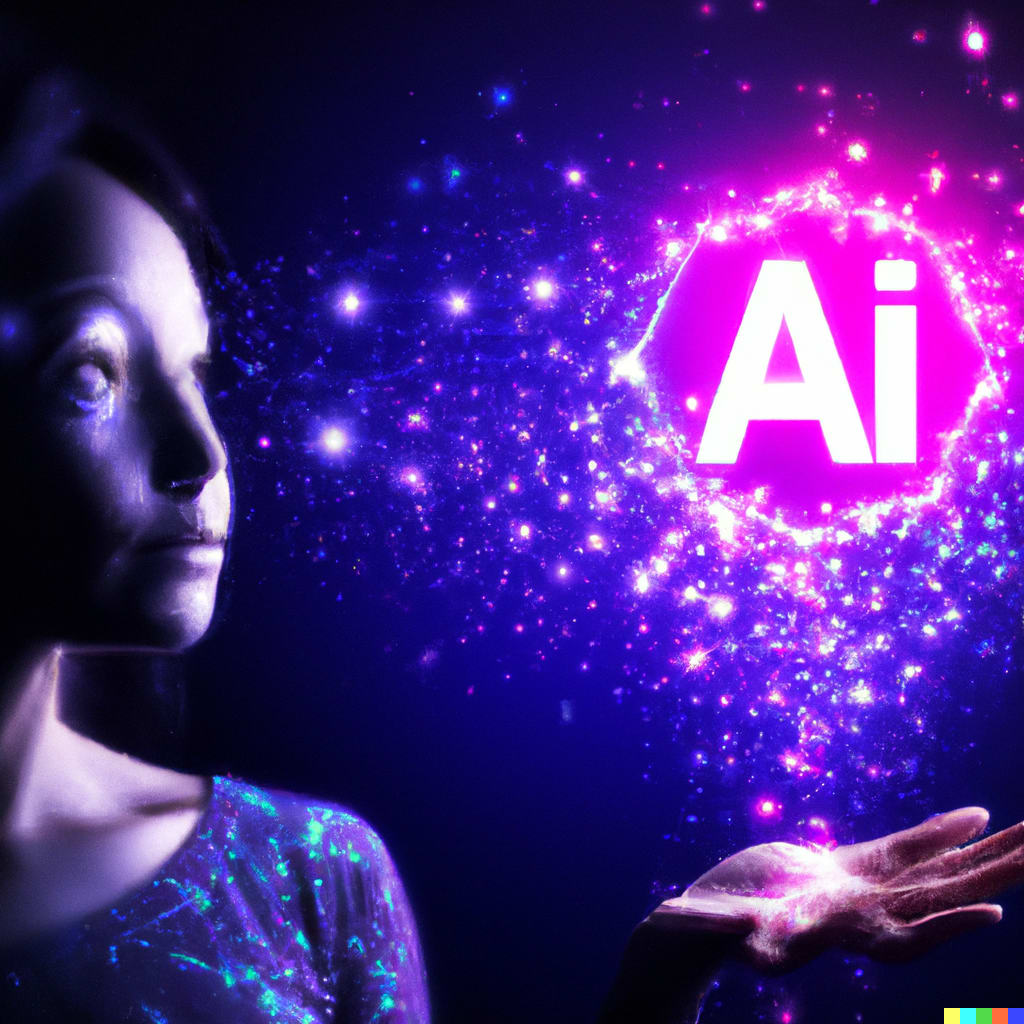
Artificial Intelligence: The Future of Technology
- Artificial Intelligence (AI) is the field of computer science dedicated to the creation of intelligent machines that work and learn like humans. The goal of AI is to develop algorithms and computer systems that can perform tasks that typically require human intelligence, such as recognizing patterns, learning from experience, solving problems, and making decisions.
- The history of AI can be traced back to the mid-20th century, when computer scientists first started developing machines that could perform tasks that typically require human intelligence. However, it wasn't until the development of powerful computers and sophisticated algorithms that AI became a reality. Today, AI is one of the fastest-growing fields in technology and has the potential to revolutionize the way we live, work, and interact with each other.
Types of Artificial Intelligence
There are two main types of Artificial Intelligence: narrow or weak AI and general or strong AI.
- Narrow or weak AI refers to systems that are designed to perform specific tasks, such as image recognition or playing a specific game. These systems are not designed to perform any task outside of their specific area of expertise.
- General or strong AI refers to systems that have the ability to perform any intellectual task that a human can. While strong AI does not currently exist, it is a long-term goal for many researchers in the field of AI.
Applications of Artificial Intelligence
AI has the potential to greatly impact many areas of our lives and has already been integrated into a wide range of industries, including healthcare, finance, law enforcement, marketing, transportation, and customer service. Some of the most significant applications of AI include:
- Image and speech recognition: AI systems can recognize and identify images and speech, making it possible for machines to understand human speech and identify objects in images. This has important implications for industries such as healthcare, where AI can be used to accurately identify medical conditions, and in security, where AI can be used to identify and track individuals.
- Decision-making: AI can be used to analyze data and make decisions, allowing for improved accuracy and efficiency in decision-making processes. This has important implications for industries such as finance, where AI can be used to make investment decisions, and in law enforcement, where AI can be used to make decisions about crime and punishment.
- Predictive Analytics: AI can analyze large amounts of data to make predictions about future events, allowing for improved planning and decision-making. This has important implications for industries such as marketing, where AI can be used to make predictions about consumer behavior, and in transportation, where AI can be used to optimize transportation routes.
- Personalization: AI can be used to provide personalized experiences, such as recommendations and customer support. This has important implications for industries such as e-commerce, where AI can be used to provide personalized product recommendations, and in entertainment, where AI can be used to personalize content recommendations.
- Automation: AI can automate tasks, freeing up time for humans to focus on more complex tasks. This has important implications for industries such as manufacturing, where AI can be used to automate repetitive tasks, and in customer service, where AI can be used to automate routine customer support tasks.
- While AI has the potential to greatly improve many areas of our lives, it is important to consider the potential ethical implications of its development and use. Some of the potential benefits of AI include:
- Improved efficiency and accuracy: AI has the ability to perform tasks more accurately and efficiently than humans, freeing up time and resources for more complex tasks
Benefits and Risks of Artificial Intelligence
About the Creator
Keep reading
More stories from writers in Education and other communities.
IQ Tests and the Human Mind: A Deeper Look
The human mind has fascinated scientists, philosophers, and educators for centuries. One of the most widely known tools for exploring human intelligence is the IQ test. Today, with easy access to an iq test free online, millions of people are discovering more about their cognitive abilities. But what do IQ tests really tell us about the human mind, and how should we interpret their results? Taking a deeper look reveals both the strengths and limitations of IQ testing in understanding intelligence.
By Fast Learner6 days ago in Education
A Letter to the Firestarter
Dear Firestarter, We can all see you, we've been watching you since you began. In case you didn't know we were here before you and we will be here after. We witnessed your rise, your setbacks, your guilt and your lies. We witnessed you start the fire.
By Donny Foley5 days ago in Poets


Comments