
Digital Wallets in the UK: Payments You Can Wear
How smart devices and contactless habits are reshaping everyday transactions

Introduction
Payments Are Becoming Invisible and Effortless
Rapid growth in mobile payments is replacing cash and the customary wallet-based commerce method with an alternative mobile wallet method that is faster, easier and more convenient. In the United Kingdom, digital wallets have been widely adopted for secure in-store and online payments.
Another example of the trend occurring in this space is the rise of wearables, such as smartwatches and fitness trackers, which have moved beyond step and health tracking to be used more frequently as a payment device, with the option to pay via a tap.
In this article, we explore how wearables will drive digital wallet adoption in the UK and why contactless payments are more smooth than ever.
Understanding Digital Wallets
A Modern Alternative to Physical Payments
A digital wallet is a software application or online platform for storing payment card information on a computer, smartphone or smart wearable device. It enables the user to make payments for goods or services to a merchant or an individual without need for a payment card or cash.
Digital wallets help consumers simplify purchasing by eliminating the need to carry many different cards. For merchants, digital wallets provide more streamlined checkout and better user experiences.
As digital lifestyles continue to grow, digital wallets are becoming a core component of daily finance.
The Rise of Wearable Payment Devices
Paying With a Simple Tap
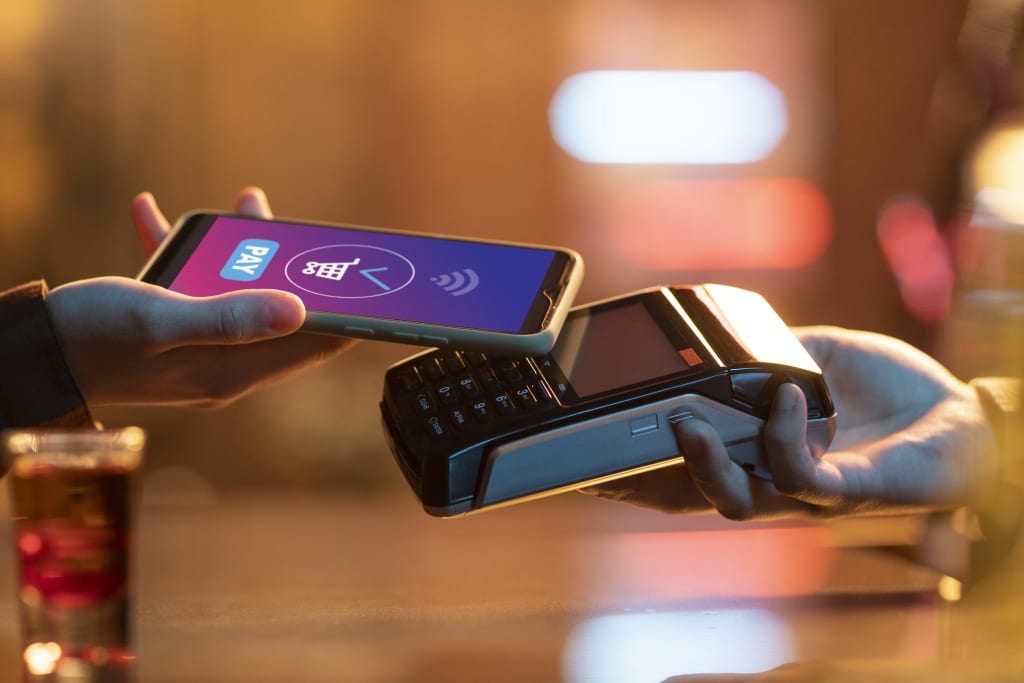
Wearable payment devices like smartwatches and fitness trackers are growing in appeal, as they allow people to make contactless payments without needing to take their phones out of their pockets or reach for their wallets.
This enables users to make transactions with their portable device linked to their digital wallet, leading to a cashless and hands-free approach to payments for those seeking convenience, mobility, and minimalism.
For instance, wearable payments are useful for commuting, exercising and grocery shopping, where carrying another item is impractical.
Convenience Driving Adoption
Why Simplicity Matters to Users
Probably the most compelling reason for this to be growing in popularity is that it is more convenient to make a payment by simply touching a device on the wrist.
Because of their ease of use, wearables attract technology enthusiasts and users looking for a frictionless payment experience, making everyday purchases with wearables more efficient and convenient.
People are used to easy-to-understand and easy-to-use digital interactions, and online payments can meet those needs.
Integration With Digital Wallet Platforms
Seamless Connections Across Devices
Wearable technology is most effective when fully integrated into existing digital wallets, allowing users to manage payments, view their history, and access security all in one place.
Once connected, wearables become an extension of the digital wallet rather than a separate system, providing continuity and a consistent user experience across devices.
The ability of digital wallets to allow users to pay with phones and wearable devices also aids their spread.
Retailers Adapting to Contactless Trends
Supporting New Payment Habits
Retailers across the UK are starting to accept payments from wearables, and wearable-friendly contactless payment terminals are becoming common across the UK's retail sector.
This has benefits for retailers and consumers alike: checkout is faster and merchants have more options in terms of what payments they accept.
With growing consumer interest in wearables for payments, retailer preparedness to accept the technology is important.
Security and Trust in Wearable Payments
Confidence Behind the Convenience
Security is important to digital payments. Wearable payments often include security features that can help prevent fraud and theft. These include authentication features such as device verification, as well as encrypted data exchanges.
The built-in security features of digital wallets linked with a wearable device also can help protect consumers from unauthorized payments in the event a wallet is lost or misplaced.
For many users, the additional speed and added security of a wearable may make them an appropriate form of payment.
Click here if you want to know more about UK Digital Wallet Market
Innovation Through Collaboration
Expanding Payment Ecosystems
They can be developed in partnerships between technology and payment networks. For example, in the United Kingdom, Samsung Electronics partnered with Mastercard to integrate payments with wearables and other devices.
The partnership intended to improve digital wallets' banking integration to enable use-cases such as making payments using smartwatches. This was one example of collaboration, which can lead to greater innovation velocity and more convenient user experiences.
Such partnerships strengthen confidence in wearable payment technologies, thus making them more widely acceptable.
Online and In-Store Payment Experiences
One Wallet, Multiple Use Cases
This integration resulted in digital wallets on wearables being used for online purchases, as well as in-store shopping experiences.
These online to in-store transitions no longer require changing the mode of payment, as users are used to the blending of online and physical experiences in contemporary life.
With one wallet that can be used everywhere, you don't need to have multiple wallets.
Appeal Across Different User Groups
From Early Adopters to Everyday Users
Wearable payments have been adopted by early adopters, and the market is gradually expanding as larger groups of consumers are finding practical benefits beyond the novelty of wearable devices.
In addition, people with active lifestyles appreciate the convenience of making payments without needing to carry something with them, and the efficiency and card-reliance reductions.
Wearable payments are becoming relevant to more and more people as time goes on.
Challenges and Considerations
Ensuring Accessibility and Awareness
Wearable payments have multiple advantages, but depend on consumer awareness and demand, and on whether compatible devices are available, with many consumers lacking wearable devices and preferring customary payment methods.
Clear communication, intuitive design, and proper instruction should help alleviate these issues, and as we grow more familiar with devices, wearable payments will seem more natural.
Balancing innovation with inclusivity remains a key factor.
Looking Ahead
The Future of Wearable Payments in the UK
Wearable payment technology may find a role in everyday transactions. Digital wallets may be used to manage loyalty programs, transit access, and personalized offers, alongside payment and other services.
Future progress is likely to focus on:
• deeper device integration
• improved security features
• smoother user experiences
• broader acceptance in the retail sector
These developments will make wearable payments even more ubiquitous.
Conclusion
A More Seamless Way to Pay
Digital wallets are becoming more flexible, more clever and more integrated into our daily lives in the UK. Wearable payment devices are a natural evolution of contactless, delivering speed of transaction and simplicity without compromise to security.
As consumers become used to frictionless payments, wearables are driving a new wave of innovation in payments, as digital wallets turn biometric devices into payment devices making payments almost invisible to the consumer.
The future payments may be in the form of wearables.
About the Creator
deepanshu Thakur
A dedicated Market Research Professional specializing in in-depth analysis, industry forecasting, and strategic insights. Known for precision, reliability, and delivering research that adds real business value.
Keep reading
More stories from deepanshu Thakur and writers in Education and other communities.
E-Books in the UK: Reading in a Digital-First Culture
Introduction Reading Habits Are Evolving With Technology Reading has long been used to obtain information and entertainment, as well as to enable personal development. Reading has evolved over time to include multiple formats, including early tablets and, more recently, digital formats. E-books have also become a common thing in the United Kingdom.
By deepanshu Thakurabout 2 hours ago in Education
The Science of Curiosity
Sophia had always been curious about the world. Even as a child, she would spend hours asking questions about everything she saw—the stars in the sky, the plants in the garden, and even the strange noises her cat made at night. But as she grew older, she noticed that most people around her seemed to prefer answers over questions. They wanted certainty, not curiosity.
By Sudais Zakwan3 days ago in Education



Comments
There are no comments for this story
Be the first to respond and start the conversation.