
Digital vs. Physical Distribution: Which Deal Is Right for You?
Digital vs. Physical Distribution
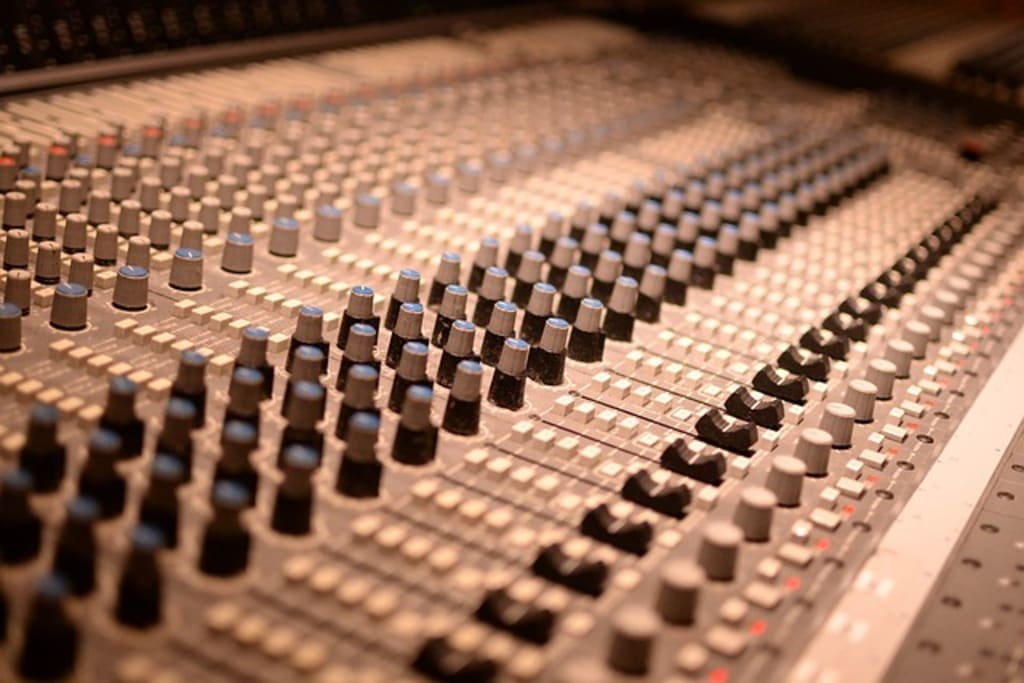
In the ever-evolving music industry, getting your music in front of the right audience is key to building a successful career. For many artists, the first step is securing a distribution deal. But with so many options available, one crucial decision stands out: should you focus on digital distribution, physical distribution, or a combination of both? Understanding the differences between these methods can significantly influence your music’s reach and impact.
Getting a distribution deal in music means choosing the right channels to ensure your songs are accessible to fans. In this article, we’ll explore the strengths, weaknesses, and best use cases for both digital and physical distribution, helping you determine which strategy aligns with your goals. Platforms like Deliver My Tune offer solutions tailored to artists' needs, making it easier to navigate this critical decision.
What is Digital Distribution?
Digital distribution focuses on delivering music to online platforms, such as Spotify, Apple Music, YouTube Music, and Amazon Music. This method ensures that your tracks are available for streaming, downloads, and playlist placements worldwide.
Benefits of Digital Distribution:
Global Reach: Platforms like Spotify and Apple Music have millions of users, offering unparalleled exposure.
Cost-Effective: Digital distribution often involves lower overhead costs compared to physical production.
Real-Time Analytics: Artists gain access to streaming data, audience demographics, and other performance insights.
Convenience: Digital uploads are quick, and updates to your catalog can be made with minimal effort.
Challenges of Digital Distribution:
High competition, with millions of songs uploaded daily.
Lower per-stream royalties compared to physical sales.
Requires a strong marketing strategy to stand out.
What is Physical Distribution?
Physical distribution involves manufacturing and selling physical formats of your music, such as CDs, vinyl records, and even cassette tapes, through retail stores or at live events.
Benefits of Physical Distribution:
Tangible Connection: Physical formats create a deeper emotional connection with fans.
Higher Profit Margins: Physical sales often yield more profit per unit than streaming royalties.
Collectibility: Vinyl and limited-edition releases are highly sought after by collectors.
Branding Opportunities: Unique packaging can enhance your brand and serve as memorabilia.
Challenges of Physical Distribution:
Higher upfront costs for production and shipping.
Requires physical storage space.
Limited reach compared to digital platforms, especially for independent artists.
Key Differences Between Digital and Physical Distribution
Aspect Digital Distribution Physical Distribution
Accessibility Global, instant access Limited to physical stores and events
Cost Low initial investment High production and shipping costs
Audience Reach Millions of online users worldwide Niche audiences and collectors
Longevity Tracks can remain online indefinitely Requires reprinting for continued sales
Revenue Model Royalties per stream/download Direct sales with higher profit margins
When to Choose Digital Distribution
Digital distribution is ideal for:
Independent artists looking to reach global audiences.
Genres that thrive on streaming platforms, such as pop, hip-hop, and EDM.
Artists with a strong social media presence to drive traffic to their music.
Those operating on a limited budget.
Example: An independent pop artist can leverage platforms like Spotify and Apple Music to gain exposure and build a global fan base without investing heavily in physical production.
When to Choose Physical Distribution
Physical distribution is best for:
Artists in genres like jazz, rock, or classical, where fans often prefer tangible formats.
Established acts with loyal fan bases willing to purchase physical merchandise.
Special releases, such as anniversary editions or limited-edition vinyl.
Performers who frequently tour, allowing them to sell physical formats at shows.
Example: A rock band releasing a limited-edition vinyl with exclusive artwork can capitalize on fans' desire for collectible items.
The Hybrid Approach: Combining Digital and Physical Distribution
For many artists, the best approach is to combine both methods. Digital distribution can provide global reach and exposure, while physical formats cater to niche audiences who value collectibles. Platforms like Deliver My Tune make this hybrid strategy accessible, offering tools for managing both digital uploads and physical production in one place.
Benefits of a Hybrid Approach:
Broader audience coverage.
Maximized revenue streams.
Balanced marketing efforts.
How to Decide Which Strategy Fits Your Career Goals
Consider the following factors when choosing between digital and physical distribution:
Your Audience: Are your fans more likely to stream music or purchase physical copies?
Your Budget: Can you afford the upfront costs of physical production?
Your Goals: Are you aiming for maximum exposure or exclusive branding?
Your Genre: Does your genre thrive on streaming platforms or benefit from physical releases?
Pro Tip: Test the waters with both methods by releasing a digital single and a limited physical edition of an album. Analyze the results to refine your strategy.
Conclusion
Choosing between digital and physical distribution is one of the most important decisions you’ll make when securing a distribution deal in music. Each method has its unique advantages and challenges, but the right choice ultimately depends on your audience, goals, and resources. Digital distribution offers unmatched reach and cost-efficiency, while physical distribution provides exclusivity and higher profit margins.
For artists looking for the best of both worlds, platforms like Deliver My Tune offer innovative solutions to simplify the process. Whether you’re an emerging artist or an established act, Deliver My Tune can help you navigate the complexities of music distribution and take your career to the next level.
Which distribution method resonates with your music journey? Share your thoughts in the comments below, and don’t forget to explore hybrid strategies for maximizing your reach and revenue.
About the Creator
Keep reading
More stories from MusicIndustry123 and writers in Education and other communities.
The Evolution of Distribution Deals in the Music Industry
The music industry has witnessed a seismic shift over the past few decades, with the rise of technology and streaming platforms fundamentally transforming how music is distributed and consumed. For independent artists, the introduction of the distribution deal in music has been revolutionary, allowing them to bypass traditional gatekeepers and connect directly with global audiences.
By MusicIndustry123about a year ago in Education
Beautiful Lepidoptera Species in Decline, Rare Butterflies and Moths Worth Saving
Beautiful Lepidoptera species include butterflies and moths that shape the color and movement of the natural world. Their wings carry patterns formed over millions of years. Today, many of these species face serious threats and may vanish sooner than expected. Habitat loss, climate shifts, and chemical use continue to reduce their numbers. This article highlights beautiful Lepidoptera species you need to see before they are gone and explains why protecting them matters now more than ever.
By Akito Kawahara6 days ago in Education




Comments
There are no comments for this story
Be the first to respond and start the conversation.