
Digital Marketing an overview
Digital marketing short notes
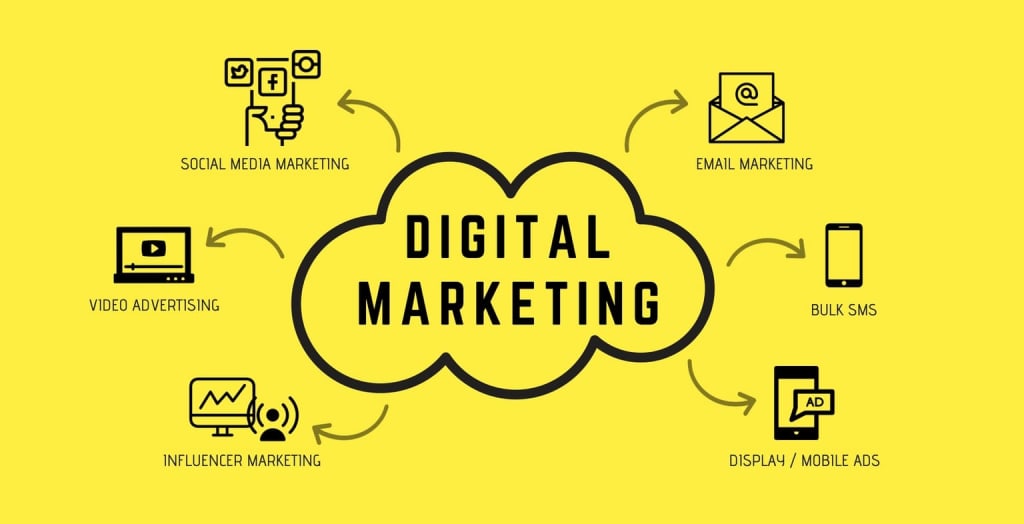
Digital Marketing
Introduction:
Digital marketing is the process of promoting products, services, or brands through digital channels such as social media, search engines, email, websites, and mobile applications. It encompasses a wide range of tactics, including search engine optimization (SEO), social media marketing (SMM), content marketing, email marketing, influencer marketing, and more.
The rise of the internet and mobile technology has transformed the way consumers interact with brands, making digital marketing an essential component of any successful marketing strategy. By reaching customers where they are spending the most time online, digital marketing allows businesses to target specific audiences, track their marketing efforts in real-time, and adjust their strategies to achieve their desired results.
Digital marketing provides businesses with the opportunity to reach a large, global audience at a relatively low cost, making it an attractive option for companies of all sizes. However, the fast-paced and constantly evolving nature of digital marketing requires a strategic and data-driven approach to achieve the desired results.
Objectives of the Digital marketing:
The main objectives of digital marketing are:
1. To increase brand awareness and establish a brand identity
2. To attract and retain customers through engaging and relevant content
3. To generate leads and drive sales
4. To enhance customer engagement and build customer loyalty
5. To measure and analyze the effectiveness of digital marketing efforts
6. To stay ahead of competitors by keeping up with industry trends and innovations.
Benefits of Digital marketing:
The benefits of digital marketing include:
1. Increased reach: Digital marketing allows businesses to reach a larger audience than traditional marketing methods, as the Internet has a global reach.
2. Cost-effectiveness: Digital marketing is often more cost-effective than traditional marketing, as it allows for targeted advertising and can be measured in real-time.
3. Measurable results: Digital marketing provides measurable results, allowing businesses to track the success of their campaigns and make data-driven decisions.
4. Increased engagement: Digital marketing allows for two-way communication between businesses and consumers, leading to increased engagement and a stronger customer relationship.
5. Improved customer insights: Digital marketing provides valuable insights into customer behavior and preferences, allowing businesses to make informed decisions about product development and marketing strategies.
6. Improved conversion rates: Digital marketing can help businesses improve their conversion rates by providing a personalized, targeted approach to marketing.
7. Increased brand awareness: Digital marketing helps to increase brand awareness and establish a brand's presence in the digital world.
Limitations of Digital marketing:
The limitations of digital marketing include:
1. Overreliance on technology: Digital marketing heavily relies on technology, which can result in limitations if technology fails or malfunctions.
2. Privacy and security concerns: There are concerns about the privacy and security of customer data collected through digital marketing efforts.
3. Difficulty in reaching certain demographics: Some demographics, such as elderly populations, may not have access to or be familiar with digital technology, making it difficult to reach them through digital marketing.
4. Ad-blocking software: The use of ad-blocking software can limit the reach of digital marketing efforts and reduce their effectiveness.
5. Competition: The digital marketing space is highly competitive, making it difficult for businesses to stand out and capture the attention of their target audience.
6. High cost of entry: Digital marketing can be expensive, especially for small businesses, which may not have the budget to invest in it.
7. Measuring ROI: Measuring the return on investment (ROI) of digital marketing can be challenging, especially for non-tangible objectives like brand building.
About the Creator
Keep reading
More stories from writers in Education and other communities.
Breaking Down Private and Commercial Pilot Licenses
Taking flight is more than just a thrill; it can be a lifestyle or a full-fledged career. But before you can soar through the skies, you need to earn the appropriate pilot license. Two of the most common paths for aspiring aviators are the private pilot license (PPL) and the commercial pilot license (CPL). While both enable you to fly aircraft, they serve very different purposes and require varying levels of commitment. If you're deciding between the two, understanding the distinctions can help you make the right choice for your future in aviation.
By Jett Harris of Arkansasa day ago in Education
📢 Raise Your Voice Thread: 01/22/2026
Our “Raise Your Voice Threads” are hosted most alternating Thursdays at 12PM ET to offer creators more avenues to uncover exceptional stories on Vocal. As we are continuously searching for fresh creators and inspiring stories, this thread provides an opportunity to exchange and discuss the stories that have moved and motivated us on Vocal.
By Raise Your Voice by Vocal2 days ago in Resources




Comments
There are no comments for this story
Be the first to respond and start the conversation.