
Did you know?
Exploring the Enigmatic Amazon Rainforest: Unveiling its Fascinating Facts
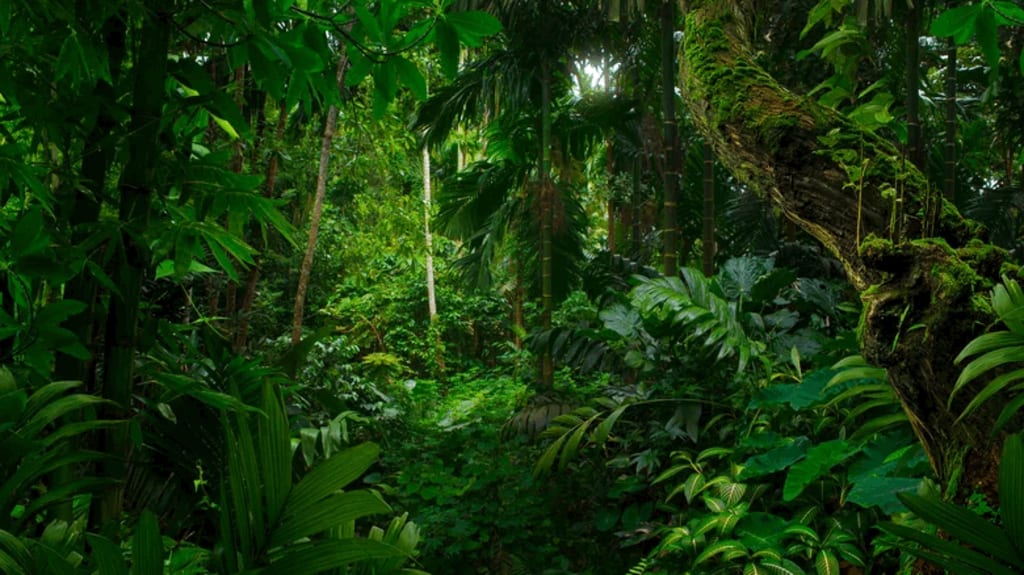
The Amazon rainforest, often referred to as the "lungs of the Earth," is a vast, awe-inspiring ecosystem that stretches across nine countries in South America, primarily Brazil. It has captured the world's imagination with its unparalleled biodiversity, intricate web of life, and crucial role in regulating the global climate. This vast green expanse has been the subject of curiosity and research for generations. In this article, we will delve into some of the most interesting and mind-boggling facts about the Amazon rainforest.
Unmatched Biodiversity:
The Amazon rainforest is unrivaled when it comes to biodiversity. It is home to approximately 390 billion individual trees, belonging to around 16,000 different species. Moreover, scientists estimate that this lush ecosystem houses about 10% of the world's known species. From the smallest insects to the magnificent jaguars and giant anacondas, the Amazon offers an unparalleled variety of life forms.
Indigenous Tribes and Cultures:
The rainforest has been inhabited by indigenous peoples for thousands of years, and today, there are over 400 distinct tribes living in the Amazon basin. These tribes boast unique languages, customs, and traditions, providing invaluable knowledge about medicinal plants and sustainable practices. Sadly, their way of life is threatened by deforestation and modernization.
River of Abundance:
The Amazon River, the lifeblood of the rainforest, is a true marvel. It is the second-longest river in the world, spanning approximately 6,575 kilometers (4,086 miles). During the rainy season, its width can reach an astonishing 48 kilometers (30 miles). The river and its tributaries provide essential transportation routes and offer sustenance to countless animals and human communities.
Medicinal Treasure Trove:
Indigenous peoples have long known about the medicinal properties of plants in the Amazon. It is estimated that 25% of modern pharmaceuticals have their origins in rainforest plants, particularly for treating ailments like cancer, malaria, and arthritis. However, deforestation and habitat destruction put many undiscovered plants and their potential medicinal benefits at risk of disappearing before they are even studied.
Unique Canopy and Microcosm:
The rainforest's canopy, the uppermost layer of vegetation, forms an intricate web of life. It is a world of its own, with plants, insects, and mammals uniquely adapted to this vertical environment. The canopy is an essential component of the rainforest ecosystem, regulating temperature, humidity, and sunlight, while providing shelter and food for numerous creatures.
Climate Regulation:
The Amazon rainforest plays a vital role in global climate regulation. Its trees absorb vast amounts of carbon dioxide, acting as a carbon sink, and release oxygen through photosynthesis, earning the nickname "lungs of the Earth." This process helps mitigate the impact of greenhouse gases on climate change.
Mysterious Geoglyphs:
The Amazon region holds some intriguing mysteries, such as the discovery of ancient geoglyphs. These are large-scale, man-made designs etched into the earth, often resembling animals or geometric shapes. The purpose of these geoglyphs remains unclear, but some researchers believe they may have served as ceremonial sites or for navigation purposes.
Rainforest Rhythms:
The Amazon rainforest experiences an unusual rain cycle. During the wet season, it can receive up to 12 feet of rain, transforming vast areas into flooded forests. Surprisingly, this heavy rainfall only accounts for about 2% of the annual rainfall in the region, with the rest generated by the forest itself through a process known as transpiration.
Threats and Conservation Efforts:
The Amazon rainforest faces significant threats, including deforestation, illegal logging, mining, and agricultural expansion. The consequences of these activities are far-reaching, impacting local communities, biodiversity, and global climate. Numerous organizations and governments are working tirelessly to protect the rainforest, establish conservation areas, and promote sustainable practices.
The Amazon rainforest is an extraordinary treasure trove of life and an essential component of our planet's ecological balance. Its mysterious depths continue to inspire scientists, conservationists, and adventurers alike, reminding us of the need to protect and preserve this invaluable ecosystem for generations to come. By understanding and appreciating its incredible diversity and importance, we can collectively work towards safeguarding this natural wonder for the benefit of all living beings on Earth.
About the Creator
5 Effective Digital Marketing Channels Brands Actually Use Today (A Practical Guide for Marketers)
Digital marketing channels define how brands reach, engage, and convert audiences online. In practice, most companies do not experiment endlessly. They focus on a small set of channels that reliably support growth goals such as visibility, demand generation, and retention.
By Iryna Podliesna3 days ago in Education
Whiskey At Dusk
Guess the whiskey was more important to you in the end, wasn’t it? It was more than the well-being of your friends; more vital than showing up to the places you promised you would and could come to; more critical of a matter than fulfilling your damn responsibilities and getting the press off your back.
By Snarky Lisa7 days ago in Humans


Comments
There are no comments for this story
Be the first to respond and start the conversation.