
Diabetes Mellitus: Understanding the Silent Epidemic
Causes and Risk Factors of Diabetes

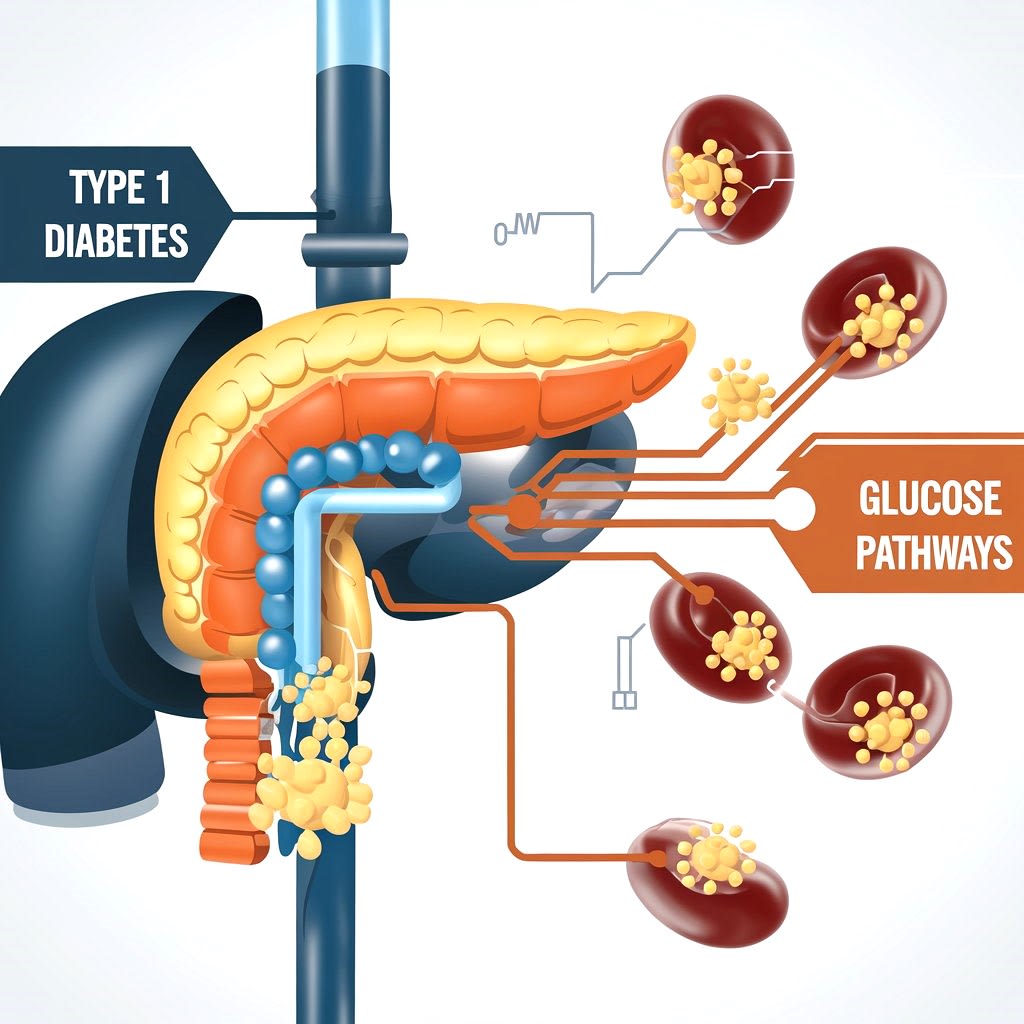
A chronic metabolic disorder known as diabetes mellitus or hyperglycemia is characterized by elevated blood glucose levels. Defects in insulin production, insulin action, or both may cause this condition. By facilitating glucose uptake into cells, insulin, a hormone produced by the pancreas, regulates blood sugar levels. When this system malfunctions, glucose accumulates in the bloodstream, leading to serious health complications.
Diabetes is a global health concern, affecting millions of people worldwide. According to the International Diabetes Federation (IDF), approximately 537 million adults were living with diabetes in 2021, and this number is expected to rise significantly in the coming years. Understanding diabetes—its types, causes, symptoms, and management—is crucial for prevention and effective treatment.
Types of Diabetes Mellitus
There are several types of diabetes, each with its own causes and characteristics: 1. Diabetes type 1 (T1DM) Type 1 diabetes is an autoimmune condition where the immune system mistakenly attacks and destroys insulin-producing beta cells in the pancreas. The body produces little or no insulin as a result. Causes: Genetic predisposition and environmental triggers (e.g., viral infections) may contribute.
Rapid weight loss, excessive thirst, frequent urination, fatigue, and blurred vision are some of the symptoms. Treatment: Lifelong insulin therapy via injections or insulin pumps is essential.
2. Type 2 Diabetes (T2DM)
Type 2 diabetes is the most common form, accounting for about 90% of all diabetes cases. It occurs when the body becomes resistant to insulin or the pancreas fails to produce enough insulin.
Causes: Obesity, sedentary lifestyle, poor diet, and genetic factors play a significant role.
Symptoms: Increased thirst, frequent infections, slow wound healing, and tingling in hands or feet.
Treatment: Lifestyle modifications (diet, exercise), oral medications, and sometimes insulin therapy.
3. Diabetes during pregnancy (GDM) Gestational diabetes develops during pregnancy due to hormonal changes that cause insulin resistance.
Risks: Increases the likelihood of high birth weight and future Type 2 diabetes in both mother and child.
Controlled through diet, exercise, and insulin, if necessary. 4. Other Types
Prediabetes: Blood sugar levels are higher than normal but not yet diabetic. Lifestyle changes can prevent progression.
Monogenic Diabetes: Caused by a single gene mutation (e.g., MODY – Maturity-Onset Diabetes of the Young).
Causes and Risk Factors of Diabetes
Several factors contribute to the development of diabetes:
1. Genetic Factors
A family history of diabetes increases susceptibility, particularly in Type 1 and Type 2 diabetes.
2. Lifestyle Factors
Poor eating habits: Consuming a lot of refined carbohydrates and sugar causes insulin resistance. Physical Inactivity: Lack of exercise reduces insulin sensitivity.
Obesity: A major risk factor for Type 2 diabetes is excess fat, especially around the abdomen. 3. Environmental Triggers Type 1 diabetes may be brought on by viral infections, such as enteroviruses, in people with a genetic predisposition. 4. Age and Ethnicity Risk increases with age, particularly after 45. Certain ethnic groups (African Americans, Hispanics, Native Americans, Asians) have a higher predisposition.
Symptoms and Complications of Diabetes
Typical Symptoms Excessive thirst (polydipsia)
Frequent urination (polyuria) Weight loss that is unrelated (type 1) Fatigue and irritability vision that is fuzzy Slow-healing wounds
Long-Term Complications
Uncontrolled diabetes can lead to severe complications:
1. Disease of the Heart Diabetes increases the risk of heart attack, stroke, and hypertension due to damaged blood vessels.
2. Neuropathy (Nerve Damage)
Nerve damage from high blood sugar can lead to numbness, pain, or weakness, especially in the legs and feet. 3. Nephropathy (Kidney Disease) Diabetes is a leading cause of kidney failure, requiring dialysis or transplantation.
4. Retinopathy (Eye Damage)
Elevated glucose levels damage retinal blood vessels, leading to vision impairment or blindness.
5. Foot Complications
Poor circulation and nerve damage increase the risk of infections and amputations.
Diagnosis and Management of Diabetes
Diagnosis
Diabetes is diagnosed through blood tests:
Fasting Blood Glucose (FBG): ≥126 mg/dL indicates diabetes.
HbA1c Test: Measures average blood sugar over 2-3 months; ≥6.5% confirms diabetes. Oral Glucose Tolerance Test (OGTT): Blood sugar checked after consuming a glucose drink.
Management Strategies
1. Lifestyle Modifications
Whole grains, vegetables, lean proteins, and healthy fats are the main components of a healthy diet. Avoid processed foods and sugar. Regular exercise raises insulin sensitivity by at least 150 minutes per week of moderate activity. Weight Management: Losing 5-10% of body weight can significantly improve blood sugar control.
2. Medications
Oral Antidiabetic Drugs: Metformin, sulfonylureas, and SGLT2 inhibitors help lower blood sugar.
Insulin Therapy: Required for Type 1 and advanced Type 2 diabetes.
3. Monitoring and Prevention
Regular blood sugar monitoring helps adjust treatment.
Routine check-ups for blood pressure, cholesterol, and kidney function prevent complications.
Conclusion: Combating Diabetes Through Awareness and Action
Diabetes mellitus is a growing global health challenge, but with early detection, proper management, and lifestyle changes, its impact can be minimized. Public awareness, access to healthcare, and ongoing research are vital in the fight against diabetes. By adopting healthier habits and staying informed, individuals can reduce their risk and lead fulfilling lives despite a diabetes diagnosis.
Your health is in your hands, so take charge today
About the Creator
Keep reading
More stories from Rocky Brahma and writers in Education and other communities.
The Stock Market: A Gateway to Wealth Creation and Economic Growth
One of the most important parts of a modern economy is the stock market, which lets investors buy and sell shares of publicly traded companies. Capital formation, wealth creation, and economic expansion all depend on it. Understanding how the stock market works is essential for making well-informed financial decisions for both new and seasoned investors. The stock market's fundamentals, including its functions, key players, stock types, investment strategies, and risks, are the focus of this article. The Stock Market: What Is It? Shares of publicly traded businesses can be purchased and sold on a network of exchanges and trading platforms known as the stock market. By offering investors ownership stakes, it enables businesses to raise capital and offers individuals and organizations opportunities to increase wealth. versus primary Second-Hand Stores Primary Market: Companies can raise money directly from investors by issuing new shares through Initial Public Offerings (IPOs). On exchanges like the New York Stock Exchange (NYSE) and the NASDAQ, investors trade existing shares among themselves. Supply and demand, as well as company performance, economic conditions, and investor sentiment, all have an impact on stock prices. Important Stock Market Players The stock market's smooth operation is made possible by a number of entities: 1. Investors
By Rocky Brahma11 months ago in Education
Genomic Breakthroughs, Life-Changing Impact
Scientific discovery has always played a vital role in advancing human health, but few fields have transformed medicine as dramatically as genomics. By exploring the structure and function of genes, scientists have gained powerful insights into how diseases develop, how individuals respond to treatments, and how health risks can be predicted before symptoms appear. These genomic breakthroughs are not only advancing science but also changing lives around the world. From personalized medicine to improved disease prevention, the impact of genomics is reshaping healthcare, offering hope, understanding, and better outcomes for countless people.
By Mark Bouzyk3 days ago in Education




Comments
There are no comments for this story
Be the first to respond and start the conversation.