
DevSecOps Fundamentals: Building Security into DevOps
Introduction to DevSecOps
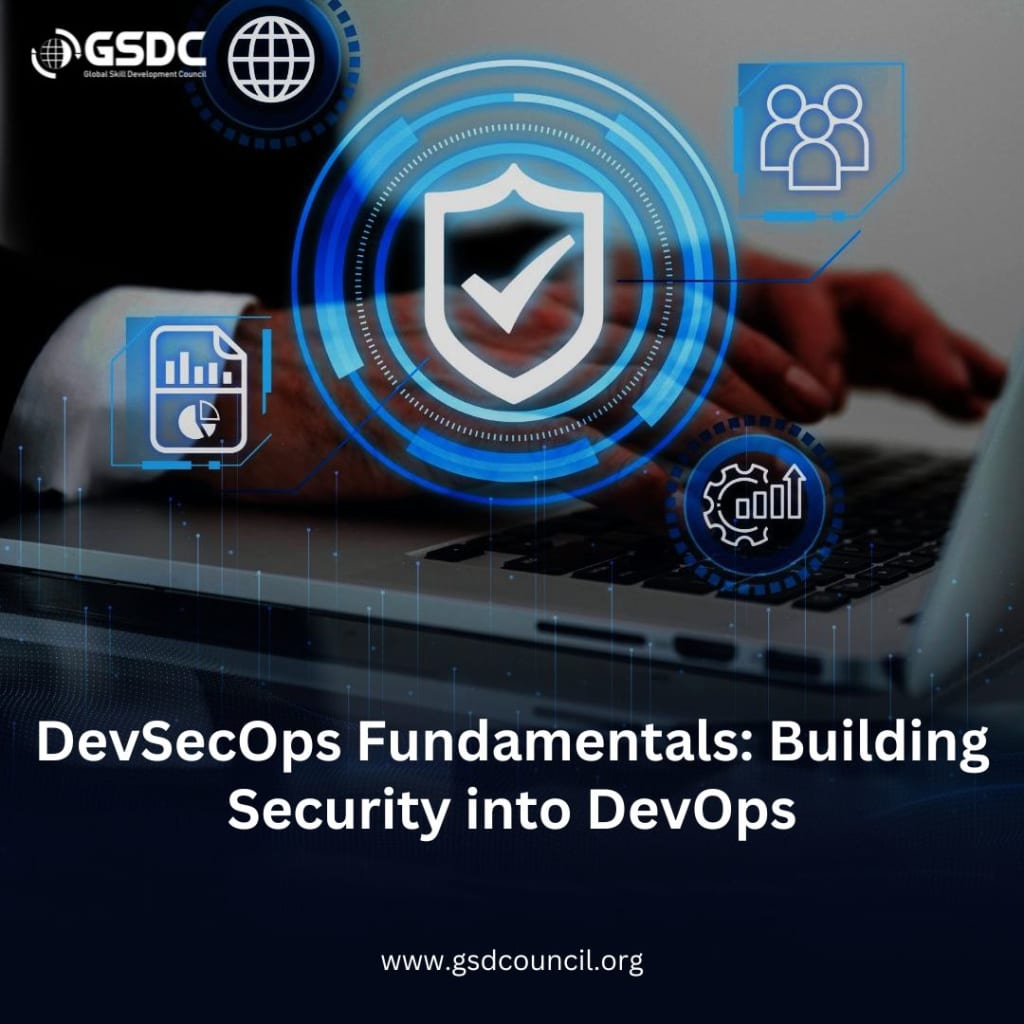
DevSecOps Fundamentals: Building Security into DevOps
Introduction
In today’s fast-paced digital landscape, organizations are adopting DevOps to enhance software development speed and efficiency. However, traditional security practices often lag behind, creating vulnerabilities. This is where DevSecOps comes into play, integrating security into the DevOps lifecycle from the outset. This article explores the fundamentals of DevSecOps and how it helps build a secure and resilient software development process.
What is DevSecOps?
DevSecOps, short for Development, Security, and Operations, is an approach that embeds security practices within the DevOps pipeline. Unlike traditional security measures that are often introduced late in the software development lifecycle, DevSecOps ensures security is a continuous and automated process. The goal is to identify and mitigate security threats early, reducing risks and improving compliance.
Key Principles of DevSecOps
Shift Left Security: Security is integrated early in the software development lifecycle rather than being a last-minute addition.
Automation of Security Practices: Security testing and compliance checks are automated to keep up with DevOps speed.
Continuous Monitoring and Feedback: Security vulnerabilities are continuously monitored and reported in real-time.
Collaboration and Shared Responsibility: Developers, security teams, and operations work together to create a secure environment.
Threat Intelligence and Risk Assessment: Proactive threat modeling and risk analysis help prevent security breaches.
Benefits of DevSecOps
1. Early Detection of Vulnerabilities
By incorporating security from the start, vulnerabilities are identified and fixed before deployment, reducing remediation costs.
2. Faster and Secure Software Releases
Automation of security checks ensures that security does not become a bottleneck, allowing organizations to release secure software quickly.
3. Improved Compliance and Governance
DevSecOps ensures adherence to industry regulations and compliance requirements by automating security policies and audits.
4. Reduced Costs and Risks
Fixing security issues early in the development cycle is significantly cheaper than addressing them after deployment.
5. Enhanced Collaboration and Culture Shift
By fostering collaboration between developers, security teams, and operations, DevSecOps creates a security-first mindset across the organization.
Best Practices for Implementing DevSecOps
1. Automate Security Testing
Use automated security tools such as Static Application Security Testing (SAST) and Dynamic Application Security Testing (DAST) to scan code for vulnerabilities.
2. Implement Secure Coding Practices
Educate developers on secure coding standards and common vulnerabilities like SQL injection, XSS, and insecure authentication.
3. Use Infrastructure as Code (IaC) Security
Ensure infrastructure configurations are secure by integrating security tools into the IaC deployment process.
4. Adopt Continuous Security Monitoring
Leverage security monitoring tools like SIEM (Security Information and Event Management) to detect and respond to threats in real time.
5. Conduct Regular Security Training
Empower teams with security awareness training to ensure best practices are followed at every stage of development.
Conclusion
DevSecOps is essential in today’s rapidly evolving software development landscape, ensuring that security is not an afterthought but a fundamental part of the DevOps process. By shifting security left, automating security practices, and fostering collaboration, organizations can build robust, secure, and compliant applications efficiently. Embracing DevSecOps leads to enhanced software quality, reduced risk, and a security-first culture that benefits the entire organization.
Adopting DevSecOps is not just about implementing tools; it’s about a mindset shift where security becomes everyone’s responsibility. Start integrating security into your DevOps pipeline today to achieve a more resilient and secure development process.
For more information:- https://www.gsdcouncil.org/certified-devsecops-foundation
For more inquiry call:- +91 7796699663
About the Creator
Keep reading
More stories from anders wisdom and writers in Education and other communities.
Ethical Hacking And Digital Forensics Certification
In modern information, cybersecurity has turned out to be one of the major concerns for any organisation. With rising cyber threats and sophisticated cyber-attacks, organisations need to implement all precautions to save their assets, data, and networks. In combating cybercrime, one of the finest ways is ethical hacking. Ethical hackers apply the same techniques that malicious hackers use to detect weak spots before they become a vulnerability. A certification in ethical hacking will not only help validate your skills but it also opens up a world of career opportunities.
By anders wisdom12 months ago in Education
What Real Residents Reveal About Co-Living in New York City
Finding housing in New York City can be overwhelming, especially for students, interns, and professionals moving from different parts of the world. While listings and pricing matter, real-life experiences often give the clearest picture of what living in a shared space is actually like. Looking at resident reviews can help uncover what truly makes a co-living experience successful—or challenging.
By Ausfab Groupa day ago in Education
Top 10 Essential Skills for Success in 2026
By 2026, the job market is no longer driven only by degrees or titles. Technology, especially Artificial Intelligence (AI), automation, and remote work, has changed how companies operate and how people work. Many routine tasks are now handled by machines, while humans are expected to do work that requires thinking, judgment, creativity, and emotional understanding. This shift means that skills — not just education — determine success. The following 10 skills are considered essential for 2026 because they combine technology awareness with human intelligence. Let’s understand them one by one, step by step.
By Talha khan7 days ago in Education
The Devil's Cut
“Comrade, finally you’re awake.” The voice was smooth, sensual. A flickering incandescent bar was all that lit the white, sterile room. All Vladimir remembered was everything going black. He tried to move his arms and found them strapped to the gurney.
By Matthew J. Fromm6 days ago in Fiction


Comments
There are no comments for this story
Be the first to respond and start the conversation.