
Demon Slayer and Japanese Folklore
The Inspirations Behind the Demons

Unraveling the Mystical Threads: Demon Slayer and Japanese Folklore
In the vast world of anime and manga, few series have captured the hearts of audiences worldwide quite like Demon Slayer. With its compelling characters, intense battles, and intricate plot, the franchise has earned a well-deserved place among the anime greats. However, there's more to Demon Slayer than meets the eye. Behind the dazzling action and emotional storytelling lies a rich tapestry of inspiration drawn from traditional Japanese folklore.
As fans of the series may have noticed, Demon Slayer's demons, or "Kizuki," possess an array of unique abilities and appearances, making them formidable adversaries for the Demon Slayers. But what many might not realize is that these demons find their roots in yokai, the supernatural creatures that have long been a cornerstone of Japanese folklore. In this blog post, we will delve into the captivating world of yokai and explore the inspirations behind the demons of Demon Slayer. By understanding the cultural influences and symbolism imbued within these creatures, we can gain a deeper appreciation for the series and its connections to Japan's rich heritage.
As we embark on this journey of discovery, prepare to uncover the links between the modern realm of Demon Slayer and the age-old tales of yokai that have been passed down through generations in Japan. Let us unravel the enigmatic threads that bind these worlds together and shine a light on the mesmerizing aspects of Japanese folklore that breathe life into the demons of Demon Slayer. Join us as we venture into the realm of ancient legends and explore how they meld seamlessly with the modern storytelling of Demon Slayer, shaping it into the beloved series we know today.
Encountering the Monstrous Adversaries: An Overview of Demon Slayer's Demons
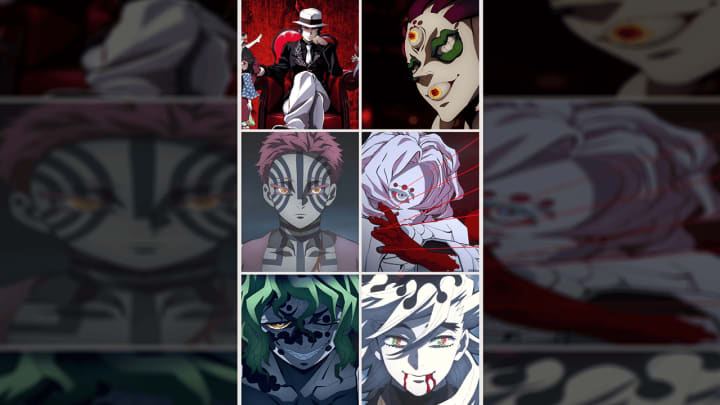
In Demon Slayer, the world is plagued by demons, malevolent creatures that prey on humans and possess powerful abilities. The demons are categorized into different ranks, with the highest-ranking being the Twelve Kizuki, also known as the Twelve Moons. Each of the Twelve Kizuki is a formidable adversary, possessing unique and deadly techniques that pose a significant threat to the Demon Slayers.
One of the most prominent demons in the series is Muzan Kibutsuji, the progenitor of all demons. As the series' primary antagonist, Muzan is an enigmatic and cunning figure, driven by a desperate quest for immortality. His powers are seemingly limitless, making him a fearsome adversary for Tanjiro Kamado and his companions.
Among the Twelve Kizuki, certain demons stand out for their distinctive characteristics. One such demon is Akaza, also known as the Upper Moon Three. Akaza's past as a human-turned-demon reveals a tragic tale of love and loss, which adds complexity to his character. His Breath of Flame technique showcases the deadly abilities that have earned him a place among the Twelve Kizuki.
Additionally, the demon Rui, the Lower Moon Five, leaves a lasting impression on viewers due to his haunting and unsettling backstory. His spider-themed abilities and manipulative nature make him a chilling opponent, serving as a powerful reminder of the darkness that permeates Demon Slayer's world.
As the Demon Slayers face off against these powerful adversaries, the battles are not merely physical clashes, but also tests of will and determination. Each demon brings a unique set of challenges, and it is through these confrontations that the characters experience growth and develop their own strengths. In the following sections, we will explore the origins of these demons and the intriguing ties they share with the world of Japanese folklore.
From Legends to Anime: Discovering the Secrets of Japanese Folklore
Japanese folklore is a tapestry woven with myths, legends, and supernatural tales that have been passed down through generations. Deeply rooted in the country's history and cultural beliefs, yokai, the fantastical creatures that inhabit this folklore, play a significant role in shaping the stories that have captivated Japanese society for centuries. Yokai, which translates to "mysterious" or "bewitching," encompass a diverse range of beings, from mischievous spirits to malevolent demons.
These mythical creatures are not merely the stuff of bedtime stories; they embody a reflection of Japanese society, beliefs, and fears. Some yokai are based on natural phenomena, while others represent vices or the consequences of human actions. These tales were often used as cautionary fables, warning against moral transgressions and emphasizing the importance of virtues such as compassion, loyalty, and humility.
Yokai have permeated various aspects of Japanese culture, influencing art, literature, theater, and even religious practices. From the legendary Tengu, powerful bird-like beings that represent both divine protectors and harbingers of war, to the Kappa, amphibious creatures said to inhabit water bodies, Japanese folklore is a treasure trove of captivating and diverse entities. The enduring popularity of yokai in modern Japan is a testament to their timeless appeal and the profound impact they continue to have on the nation's imagination.
As we dive deeper into the world of Japanese folklore, we will uncover the inspirations behind Demon Slayer's demons and explore the cultural significance of incorporating these mythical beings into the narrative. Through this exploration, we aim to shed light on the intriguing connections that exist between traditional yokai and the supernatural adversaries that challenge Tanjiro and his comrades in Demon Slayer.
Mythical Resonance: Yokai and Demon Slayer's Demons Find Common Ground
Drawing inspiration from Japan's rich folklore, Demon Slayer's demons, or Kizuki, bear a striking resemblance to the mythical yokai that have fascinated people for centuries. These powerful creatures, with their unique abilities and eerie appearances, reflect the diversity and depth of yokai lore. For instance, Tamayo, a demon who aids Tanjiro, Nezuko, and their friends, finds her roots in the concept of "Tsukumogami," which are inanimate objects that gain sentience after existing for a long time. Tamayo's backstory and her connection to Nezuko serve as a poignant reminder of the humanity that lingers within these creatures, echoing the themes of empathy and compassion found in traditional yokai tales.
Moreover, the demonic antagonist Rui, with his spider-themed abilities and tragic past, bears a resemblance to the "Oni," a prominent yokai in Japanese folklore. Oni are often depicted as malevolent spirits or demons, and they are known for their imposing appearances and association with vengeance. Rui's embodiment of these characteristics adds a chilling layer to his character, as he embodies the malevolence and obsession often associated with Oni.
Beyond the Twelve Kizuki, Demon Slayer features a vast array of demons, each showcasing distinct attributes inspired by various yokai. From the monstrous Hand Demon, which bears similarities to the "Te-no-me," a creature with a single giant eye in its palm, to the ethereal Swamp Demon that evokes elements of the "Nurarihyon," a shape-shifting specter, these demons highlight the creative adaptation of traditional yokai for the modern narrative.
As we continue to explore the connections between yokai and Demon Slayer's demons, it becomes evident that the series not only pays homage to Japan's rich folklore but also uses these mythical inspirations to craft compelling characters and intricate plotlines. The infusion of yokai elements enriches the narrative, resonating with both Japanese audiences familiar with the folklore and global viewers intrigued by the mystique of these legendary beings.
Ancient Roots, Modern Twists: Creative Adaptation in Demon Slayer
In Demon Slayer, the demons' strong ties to yokai are evident through the striking similarities they share with their traditional counterparts. One notable aspect is the demons' physical appearances, which often mirror the iconic features of yokai. From Akaza's prominent horn-like structures reminiscent of the "Oni" to the spider-themed abilities of Rui, which pay homage to the spider yokai, the attention to detail in capturing these elements showcases the creators' respect for Japanese folklore.
Moreover, the abilities and powers exhibited by Demon Slayer's demons are rooted in yokai legends. The demons' supernatural skills, such as controlling fire, manipulating threads, and commanding lesser demons, reflect the diverse capabilities attributed to yokai in traditional stories. This blending of supernatural elements from folklore seamlessly merges with the world of Demon Slayer, contributing to the series' enchanting atmosphere and epic battles.
Despite the striking similarities, Demon Slayer also introduces its unique twists and interpretations of yokai, resulting in distinct and memorable characters. The demons in the series often possess complex backstories and motivations, which may deviate from the traditional roles of yokai. These deviations not only add depth to the characters but also showcase the creators' creativity in adapting yokai for a contemporary audience.
As Demon Slayer explores the intricate balance between honoring the roots of Japanese folklore and innovating within its narrative, it successfully bridges the gap between the ancient world of yokai and the modern realm of anime. By embracing the essence of yokai while weaving its original narrative, Demon Slayer establishes a connection with both fans familiar with Japanese folklore and newcomers intrigued by the allure of these mythical beings.
Calling all Demon Slayer fans! Prove your prowess and put your knowledge to the ultimate test with our thrilling quiz. Unleash your inner demon slayer and show off your expertise in all things Tanjiro, Nezuko, and the captivating world of Demon Slayer. Get ready to rise to the challenge and dive into a quiz that will leave you on the edge of your seat! 🗡️🌸
Across Borders and Cultures: How Fans Embrace Yokai in Demon Slayer
The demons in Demon Slayer not only draw inspiration from yokai but also carry symbolic meanings deeply ingrained in Japanese culture. In Japanese folklore, demons often embody human vices or negative emotions, reflecting the eternal struggle between good and evil. This duality is mirrored in Demon Slayer, where demons like Muzan Kibutsuji represent the embodiment of evil, while the Demon Slayers, like Tanjiro and his companions, stand as beacons of hope and righteousness.
Additionally, the demons' transformation from humans to monstrous creatures in the series serves as a poignant metaphor for the battle against inner darkness and personal demons. This symbolism resonates with audiences on a profound level, as it reflects the universal struggle to confront one's fears, regrets, and past traumas. The emotional depth imbued within these demons humanizes them, underscoring the complex nature of the human experience.
Furthermore, the themes of perseverance and the power of familial bonds central to Demon Slayer reflect traditional Japanese values. The unwavering determination of Tanjiro to protect his sister, Nezuko, mirrors the concept of "kizuna" (bonds), which holds significant cultural importance in Japan. Through the narrative of Tanjiro's journey, the series emphasizes the strength found in familial ties and the capacity for compassion to overcome adversity.
By incorporating these symbols and cultural elements, Demon Slayer transcends its role as a mere entertainment piece, becoming a profound exploration of the human condition. The series not only entertains its viewers but also instills them with valuable lessons, encouraging introspection and fostering a deeper appreciation for the timeless wisdom embedded within Japanese folklore and culture.
The Harmonious Intersection: Symbolism and Cultural Significance in Demon Slayer
One of the most remarkable aspects of Demon Slayer is its creative adaptation of traditional yokai into a modern anime narrative. The creators masterfully reimagined yokai, infusing them with a fresh perspective that resonates with contemporary audiences while staying true to the essence of Japanese folklore. This imaginative approach breathes new life into these mythical beings, showcasing the enduring relevance and timelessness of yokai in storytelling.
In some instances, Demon Slayer takes creative liberties with yokai characteristics to amplify the emotional impact of the narrative. The demon Tamayo, for example, becomes a pivotal character whose desire to find a cure for demonhood drives her actions and deeply influences the overarching story. This departure from conventional yokai roles adds depth and complexity to the character, elevating her beyond mere folklore representation and solidifying her place as an integral part of the series.
Additionally, the incorporation of yokai elements allows Demon Slayer to explore diverse themes and motifs that align with both traditional and modern storytelling. By merging the supernatural with the human experience, the series weaves a captivating tapestry of emotions, from fear and despair to courage and determination. This dynamic fusion of folklore and contemporary narrative engrosses viewers, making Demon Slayer a compelling and unforgettable journey.
As the series continues to captivate global audiences, its creative adaptation of yokai has undoubtedly contributed to its widespread appeal. By successfully blending elements of Japanese folklore with a captivating and original narrative, Demon Slayer stands as a prime example of how a creative reinterpretation of traditional themes can resonate with audiences far beyond cultural borders.
Unleashing the Yokai Within: Demon Slayer's Fandom and Artistic Enchantment
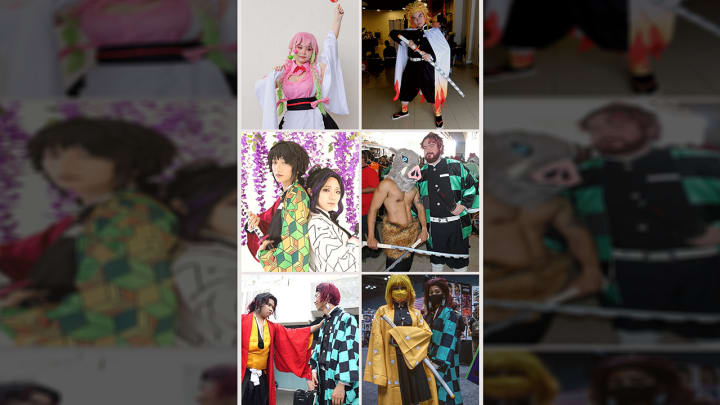
The incorporation of Japanese folklore and yokai in Demon Slayer has garnered widespread appreciation and admiration from fans worldwide. The series' ability to draw on rich cultural roots and seamlessly blend them with a modern anime narrative has struck a chord with audiences of all backgrounds. Fans, both in Japan and abroad, have taken to social media platforms to express their fascination with the mythical inspirations behind the demons and their deep connections to yokai legends.
The visual aesthetics of the demons, inspired by traditional yokai, have become a source of admiration among fan artists and cosplayers. The intricate designs and unique abilities of characters like Rui, Akaza, and Nezuko have inspired countless fan art pieces, showcasing the passion and creativity ignited by the series' folklore-infused world.
Online forums and fan communities are abuzz with discussions about the parallels between Demon Slayer's demons and their yokai inspirations. Enthusiastic fans delve into the depths of Japanese folklore, sharing their insights and findings, further fueling the fascination with the series' cultural connections. These discussions have sparked curiosity and appreciation for yokai beyond the context of the anime, fostering an appreciation for Japan's rich cultural heritage.
Moreover, the appeal of yokai and Japanese folklore in Demon Slayer has sparked an interest in related literature and media. Fans have sought out books on yokai legends and traditional Japanese tales to deepen their understanding of the inspirations behind the series. This cultural exchange showcases the profound impact that Demon Slayer's creative adaptation of yokai has had on fostering cross-cultural appreciation and understanding.
In conclusion, the fan reception and appreciation for Demon Slayer's connections to Japanese folklore and yokai legends speak volumes about the series' universal appeal. The seamless integration of traditional elements with a captivating narrative has ignited a passion for yokai among fans worldwide, fostering a deep appreciation for the rich cultural tapestry that underpins Demon Slayer's mesmerizing world.
Concluding the Journey: Embracing the Mythical Legacy of Demon Slayer
As we conclude our exploration into the world of Demon Slayer and its ties to Japanese folklore, we are left with a profound appreciation for the series' creative brilliance. The demons of Demon Slayer, inspired by the mythical beings of yokai lore, have transcended cultural boundaries to become beloved characters in the hearts of fans around the globe. The seamless blending of traditional elements with a modern narrative showcases the enduring power of yokai legends and their capacity to resonate with audiences in the 21st century.
Through our journey, we have witnessed how Demon Slayer's demons serve as more than mere adversaries for the protagonists; they embody profound symbolism, representing the eternal struggle between light and darkness, good and evil. The exploration of themes such as familial bonds, inner demons, and the pursuit of compassion mirrors the timeless messages found within Japanese folklore.
Demon Slayer's creative adaptation of yokai has become a bridge, connecting fans to the rich cultural heritage of Japan. The series has inspired a newfound interest in yokai legends, sparking discussions, fan art, and an exploration of related literature. In doing so, Demon Slayer has become not only a remarkable anime but also a catalyst for cross-cultural appreciation and understanding.
As we bid farewell to the demons of Demon Slayer, we carry with us the enduring legacy of their mythical inspirations and the cultural significance they hold. We are reminded that, beyond the stunning animation and exhilarating battles, Demon Slayer's roots lie in the captivating tales of Japanese folklore, making it a timeless masterpiece that will continue to captivate and inspire generations to come.
About the Creator
Keep reading
More stories from writers in Education and other communities.
The Impact of Water Quality on Plumbing and Appliances
Water is essential in every home. It powers your appliances, nourishes your family, and keeps things clean and functional. But not all water is created equal. While it may look clear and taste fine, the quality of the water running through your pipes can significantly impact your home’s plumbing system and appliances. Over time, poor water quality can lead to corrosion, scale buildup, reduced efficiency, and costly repairs.
By Lickety Splita day ago in Education
The Path to Salvation
The late autumn evening air filled the monk's lungs, but it wasn't the season that chilled his bones. The heavy-handed presence of evil he had sensed upon entering the woods surrounding this mountain village had not bothered to conceal itself from him.
By Made in DNA6 days ago in Fiction




Comments
There are no comments for this story
Be the first to respond and start the conversation.