
Degrees vs Experience: Which Matters More in Today’s Job Market?
A Honest Look at What Gets You Hired Today


Introduction
For years, the big question in hiring has remained the same: Should employers look for a college degree or focus more on hands-on experience? As workplaces get more complicated and skills become more specific, this debate heats up. Companies want to find the best person for the job, but what matters most? Is it formal education or real-world practice? This article digs into the benefits and limits of both, backed by data, stories, and expert opinions.
The Value of Formal Education in the Modern Workforce
The Role of Degrees in Skill Development
College degrees teach us the basics. They give people a foundation of knowledge that's hard to beat. Students learn theories, principles, and concepts that set the stage for understanding complex ideas. But, often, academic programs focus on theory rather than hands-on tasks. That can be a problem because real skills need practice, not just memorization.
Statistical Evidence Supporting Degrees
Data shows that degree holders tend to land jobs faster and make more money. For example, workers with a bachelor’s degree earn about 67% more than those with only a high school diploma. Certain fields, like medicine, law, and engineering, usually demand degrees. Companies see a college degree as a sign you’ve invested in learning and can handle specialized roles.
Real-World Examples of Degree-Driven Success
Many top bosses started with college degrees. Think of tech giants like Satya Nadella from Microsoft or the CEO of Google, Sundar Pichai. Bright careers often begin with a degree, especially in traditional sectors. Some companies, like consulting firms or financial institutions, make degree requirements a must for many roles.
Limitations of Relying Solely on Degrees
But degrees aren’t perfect. Sometimes, they lead to overqualification, making it hard to get entry-level jobs. The term “degree inflation” shows how employers sometimes raise their standards unfairly. Plus, many grads find them lacking in practical skills, which can leave gaps in their abilities.
The Evolving Significance of Experience in Hiring
The Power of Practical Skills and On-the-Job Training
Experience teaches skills that textbooks rarely cover. When working directly, you learn problem-solving, teamwork, and adaptation. For example, a tech startup might hire someone without a degree but with solid hands-on coding skills. Experience often makes someone more ready for real work than classroom lessons.
Data Supporting Experience as a Hiring Criterion
Studies show employers now prefer experienced workers for many roles. In sectors like sales or customer service, hands-on skills often beat academic credentials. Fast-moving industries value employees who can solve problems quickly, learning on the job rather than in a classroom. Rapid career growth can happen through experience, not just degrees.
Successful Professionals Without Degrees
Some of the most successful entrepreneurs didn’t have college diplomas—think Steve Jobs and Richard Branson. Skilled trades like plumbing or electrician work also mainly rely on experience. These fields show how real-world practice can lead to thriving careers without formal schooling.
Limitations of Experience-Only Hiring
But sticking only to experience has risks. Skills can become outdated while on the job. Without formal training, some workers might lack essential knowledge. Also, unstructured learning can cause gaps or inconsistencies in skills.
Balancing Degrees and Experience: What Employers and Candidates Should Consider
Hybrid Approaches in Recruitment
Many companies now look for a mix. They assess both education and practical skills. Tests, portfolios, and problem-solving exercises help gauge real ability. Combining academic records with hands-on demonstrations gives a better picture of a candidate’s strengths.
Industry-Specific Perspectives
In healthcare or law, degrees are critical. Patients’ safety and legal requirements make formal credentials necessary. But in tech startups or creative industries, experience often takes priority. When fast results matter, proven skills on the job matter more than a paper.
Actionable Tips for Job Seekers
Want to get hired? Mix your education with internships or side projects. Certifications in software or trade skills can boost your resume. Focus on gaining relevant experience, even if it means volunteer work or freelance gigs.
Actionable Tips for Employers
Get smarter about hiring. Look beyond degrees and test skills directly. Use assessments, interviews, and review work samples. Consider continuous learning programs to help staff stay updated.
Future Trends in Degrees vs Experience
Impact of Technological Advancements and Online Learning
Online courses and boot camps are changing education. Now, you can learn coding, design, or marketing from platforms like Coursera or Udemy. These credentials challenge traditional degrees and offer faster pathways to skills.
Changing Employer Attitudes
Workplaces are shifting to value flexibility and existing skills more than ever. Companies like Google, Apple, and IBM now hire based on ability rather than degrees alone. They look at what candidates can do, not just what they learned in college.
Preparing for a Dynamic Job Market
To stay competitive, job seekers should keep learning new skills. Building a diverse set of abilities will help you adapt to rapid changes. Lifelong learning isn’t optional anymore—it’s essential.
Conclusion
Both degrees and experience contribute valuable qualities. Degrees lay a groundwork of knowledge, while experience builds practical, real-world abilities. The key is to evaluate each situation carefully. For some jobs, a degree is vital. For others, hands-on skills are more important. What is the most effective strategy? Blend both. Keep learning, stay adaptable, and don't rely solely on one path. The future belongs to those who can grow and evolve, no matter where they start.
Stay active in your career development. Build skills, seek experience, and always adapt. That’s the real key to success.
🙌 If you enjoyed this story, don’t forget to follow my Vocal profile for more fresh and honest content every day. Your support means the world!
About the Creator
vijay sam
🚀 Sharing proven affiliate marketing tips, smartlink strategies, and traffic hacks that convert. Follow for insights, tools, and real results to help you earn smarter—whether you're just starting or scaling up!
NCLEX Study Plan: A Step-by-Step Guide for Nursing Students
Preparing for the NCLEX-RN is one of the most important milestones in the nursing students’ career. This is because the NCLEX is the final step before nursing students can become licensed nurses. However, it is not as easy as simply reading nursing textbooks and taking notes from class lectures. This is because the NCLEX is designed to test the nursing students’ clinical judgment and decision-making skills.
By Sulcus Learning3 days ago in Education
A School Morning Assembly
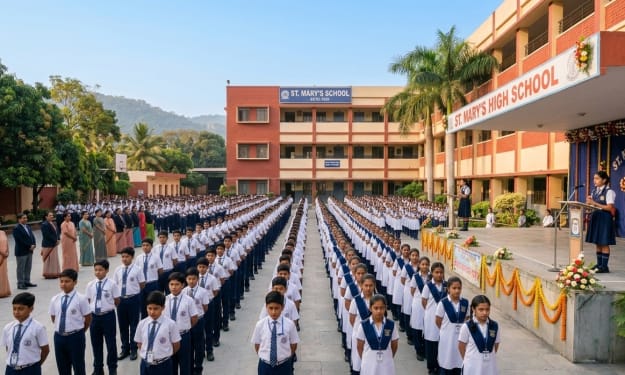
Morning assembly is an important activity in many schools. It is a daily gathering of students and teachers before the start of classes. Usually, the assembly takes place in the school ground or in a large hall. All the students stand in lines according to their classes while teachers supervise them. Morning assembly helps students begin their day in a disciplined and organized way. It also creates a positive environment for learning. The morning assembly usually begins with a prayer. The prayer helps students feel calm and focused. It gives them a peaceful start to the day. In many schools, the national anthem is also sung during the assembly. Singing the national anthem together creates a feeling of respect and love for the country. It also helps students feel united as members of the same school community.
By aadam khan7 days ago in Education


Comments
There are no comments for this story
Be the first to respond and start the conversation.