
"Deforestation and the Future of the Amazon: A Wake-Up Call for Humanity"
"How Losing the World's Largest Rainforest Threatens Global Survival"

Introduction
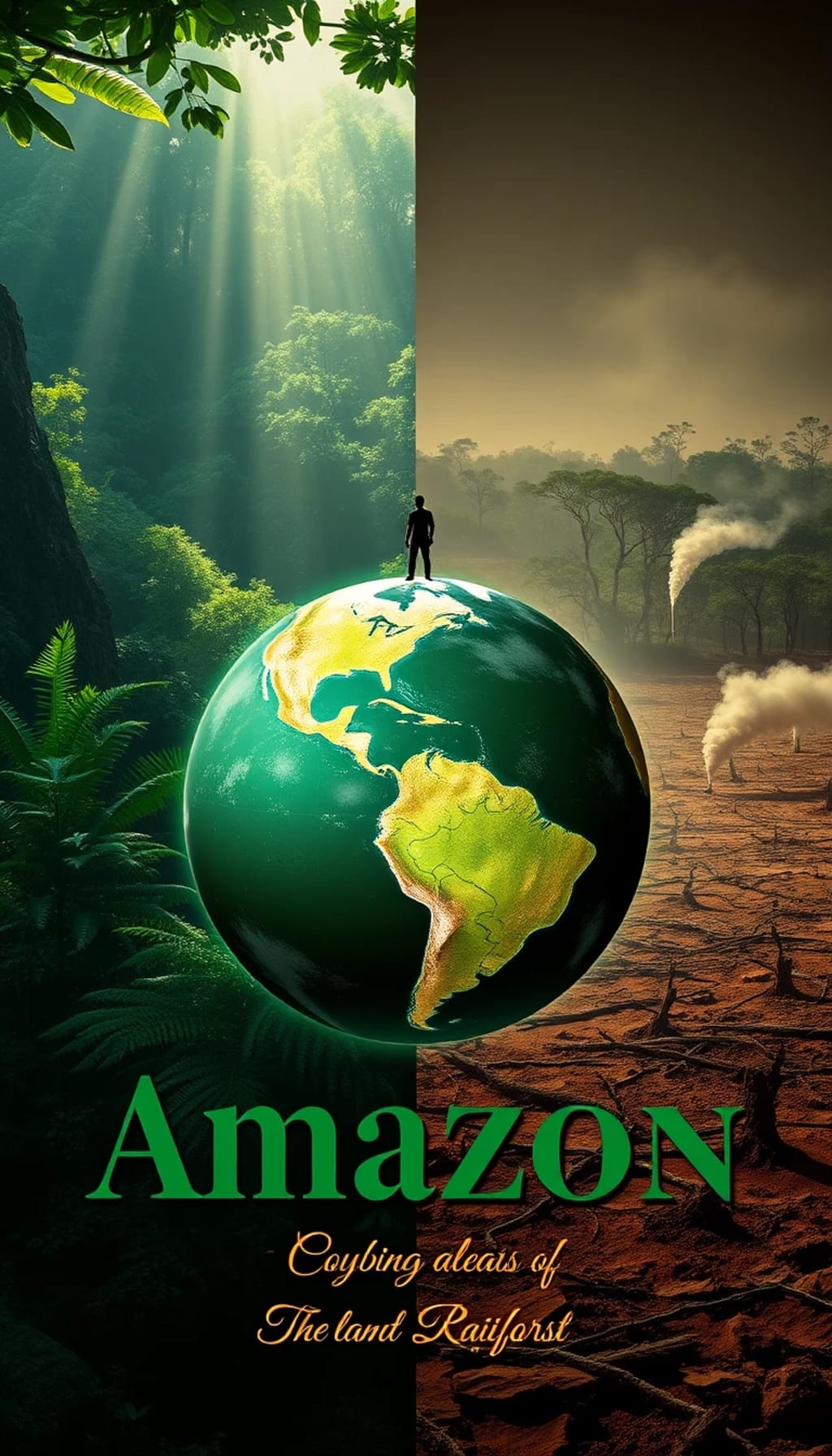
The Amazon rainforest, sprawling across over 6.7 million square kilometers in nine South American countries, is the world’s largest tropical forest and a vital component of Earth’s ecological system. Often called the "lungs of the Earth," this vast forest produces about 20% of the planet’s oxygen and absorbs enormous amounts of carbon dioxide, helping regulate the global climate. Home to an estimated 10% of all known species and over 400 indigenous communities, the Amazon is a hotspot of biodiversity and cultural heritage. However, ongoing deforestation in the Amazon threatens to unravel this delicate balance, risking devastating consequences for local ecosystems and global climate alike.
The rapid destruction of the Amazon rainforest represents a dire wake-up call for humanity. If unchecked, it could accelerate climate change, cause irreversible biodiversity loss, and disrupt the livelihoods of indigenous peoples who depend on the forest for survival. This article explores the causes, effects, and urgent solutions to deforestation in the Amazon and highlights why protecting this irreplaceable ecosystem is critical for the future of our planet.
What Is Causing Deforestation in the Amazon?
Deforestation in the Amazon is driven primarily by human activities linked to economic development and resource extraction. Understanding these causes is key to developing effective solutions.
Logging and Timber Extraction
Both legal and illegal logging contribute significantly to Amazon rainforest destruction. Timber extraction targets valuable hardwood species such as mahogany, rosewood, and teak, prized on global markets. Illegal logging is particularly damaging because it often occurs unchecked and leads to overexploitation. Logging roads constructed for timber access also open remote forest areas to further deforestation, including land grabbing and illegal agriculture.
Agriculture and Cattle Ranching
Agricultural expansion, particularly cattle ranching and soybean cultivation, is the leading cause of deforestation in the Amazon. Approximately 70-80% of cleared land is used for cattle pasture. Brazil alone hosts nearly 200 million cattle, many grazing on former rainforest lands. Additionally, soy production has surged due to global demand for animal feed and biofuels, resulting in widespread forest clearing. These activities are often driven by economic incentives, government policies, and infrastructure projects that favor expansion.

Mining Activities
The Amazon basin is rich in minerals like gold, bauxite, and iron ore, attracting mining companies and illegal operations. Mining involves clearing forests for extraction sites, polluting waterways with toxic chemicals, and often attracting workers who further encroach on forested land. Illegal gold mining, in particular, has exploded in certain Amazon regions, contributing heavily to environmental degradation.
Infrastructure Development
Road construction, hydroelectric dams, and urban expansion fragment the Amazon, increasing accessibility and accelerating deforestation. Roads built for logging and agriculture connect previously inaccessible areas, leading to land speculation and further forest clearing. The construction of highways such as the Trans-Amazonian Highway has historically spurred widespread deforestation in their vicinity.
Environmental and Global Impacts of Deforestation
The destruction of the Amazon rainforest has profound environmental consequences that extend far beyond its borders.
Biodiversity Loss
The Amazon is one of the most biologically diverse places on Earth, housing roughly 10% of known species. It provides critical habitat for iconic wildlife like jaguars, macaws, river dolphins, and countless amphibians, reptiles, and insects. Forest clearing destroys these habitats, threatening species with extinction and disrupting complex ecological networks. The loss of biodiversity weakens ecosystem resilience, undermining essential functions such as pollination, seed dispersal, and soil fertility.
Carbon Emissions and Climate Change
The Amazon serves as a massive carbon sink, storing an estimated 90 to 140 billion metric tons of carbon. Trees absorb carbon dioxide during photosynthesis and store it in biomass. When forests are cut or burned, this stored carbon is released back into the atmosphere, contributing to global greenhouse gas emissions. Deforestation in the Amazon accounts for about 10% of global carbon emissions from human activities. Scientists warn that if deforestation exceeds a critical threshold—around 20-25% of the forest—the Amazon could shift from being a carbon sink to a carbon source, accelerating climate change dramatically.
Disruption of Water Cycles
The Amazon plays a key role in regional and global water cycles through evapotranspiration, where trees release water vapor into the atmosphere. This moisture generates rainfall essential for agriculture and ecosystems both locally and across South America. Deforestation reduces this process, leading to decreased rainfall, increased drought risk, and more frequent forest fires. Changes in Amazon rainfall patterns have been linked to weather disruptions as far away as North America, demonstrating the forest’s global influence.
Soil Degradation and Desertification
Trees protect the soil by stabilizing it with roots and providing organic matter that enriches nutrients. Without forest cover, soil is exposed to heavy rains and winds, leading to erosion and nutrient depletion. This process degrades land quality, reduces agricultural productivity, and can lead to desertification—turning once fertile land into barren wasteland unsuitable for farming or forest regrowth.
The Socioeconomic Effects on Indigenous Communities
Indigenous peoples have been the traditional custodians of the Amazon rainforest for thousands of years. Their cultures, knowledge, and livelihoods are deeply intertwined with the forest ecosystem.
Loss of Ancestral Land and Livelihoods
Deforestation threatens indigenous territories as land is seized for agriculture, logging, and mining. Many indigenous communities face violent conflicts and forced displacement. The loss of forest means losing hunting grounds, medicinal plants, and other natural resources vital to their subsistence and cultural practices.
Threats to Traditional Knowledge
Indigenous peoples’ ecological knowledge, developed over generations, depends on the rich biodiversity of the Amazon. Habitat loss endangers species used in traditional medicine and rituals, eroding cultural heritage. The disappearance of flora and fauna also diminishes the ability of indigenous communities to maintain sustainable lifestyles.
Social and Health Impacts
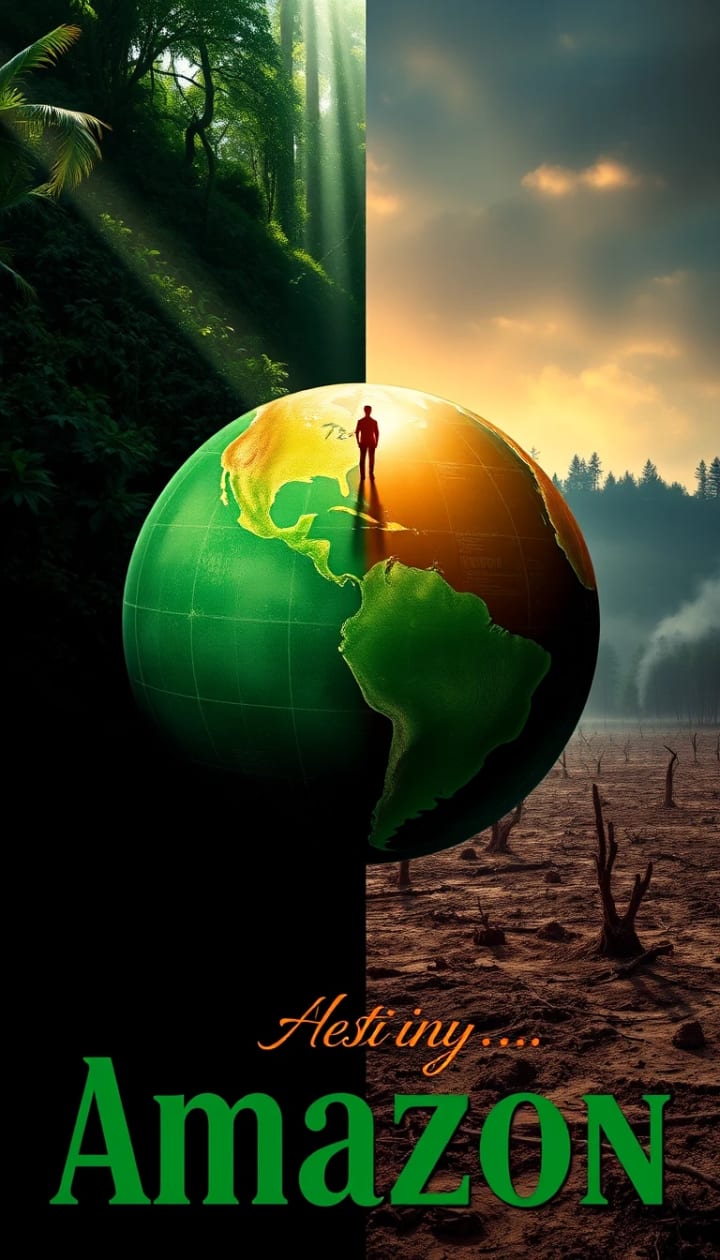
Environmental destruction causes social disruption and health problems, including respiratory diseases from smoke pollution, contaminated water sources, and food insecurity. Economic pressures push many indigenous people, especially younger generations, to migrate to urban areas, leading to loss of cultural identity.
Protecting indigenous rights and involving them in conservation strategies is essential for the sustainable future of the Amazon.
Current Conservation Efforts and Challenges
Several strategies have been implemented to protect the Amazon, but obstacles remain.
Government Policies and Enforcement
Many Amazonian countries have established protected areas, indigenous reserves, and deforestation monitoring systems. Brazil’s use of satellite imagery to track illegal logging has been particularly effective in the past. Between 2004 and 2012, Brazil reduced its deforestation rate by over 80%. However, recent political changes, budget cuts, and weakened law enforcement have led to a resurgence in forest clearing.
International Cooperation and Funding
Global initiatives like REDD+ incentivize forest conservation by providing financial rewards for reducing emissions from deforestation and degradation. International NGOs like WWF, Greenpeace, and Rainforest Alliance work tirelessly to protect the Amazon through advocacy, research, and community projects. Despite these efforts, corruption, bureaucracy, and conflicting economic interests pose challenges.
Role of Indigenous Groups and NGOs
Indigenous communities and NGOs play a crucial role in monitoring forests, defending land rights, and promoting sustainable livelihoods. Many indigenous groups have formed alliances to advocate for stronger protections and sustainable development.
Challenges
Illegal logging, mining, and land grabbing continue unchecked in some areas. Economic pressures to produce commodities like beef and soy drive deforestation. Climate change exacerbates droughts and fires, further threatening forest health.
Sustainable Solutions and What Can Be Done
Saving the Amazon requires multi-level cooperation and innovative solutions.
Strengthening Law Enforcement and Indigenous Land Rights
Governments must enhance surveillance, prosecution, and penalties for illegal deforestation. Securing indigenous land tenure empowers communities to manage and protect forests effectively.
Promoting Sustainable Agriculture and Forestry
Sustainable agricultural practices such as agroforestry integrate tree planting with crop production, preserving biodiversity and soil health. Certification programs encourage responsible timber and commodity sourcing, reducing deforestation.
Supporting Reforestation and Restoration
Restoring degraded land with native species can recover ecosystems and improve carbon storage. Large-scale reforestation projects are gaining momentum as part of global climate strategies.
Corporate Responsibility and Supply Chain Transparency
Businesses must commit to zero-deforestation policies by tracing and verifying raw materials. Consumer demand for sustainable products pressures companies to act responsibly.
Global Climate Action and Funding
International climate agreements should prioritize Amazon conservation, providing financial and technical support to protect this global asset.
Public Awareness and Individual Action
Educating the public about the Amazon’s importance and deforestation impacts can foster sustainable consumption and activism. Supporting indigenous rights and conservation groups through donations or advocacy makes a tangible difference.
Conclusion
The Amazon rainforest stands at a crossroads. Its fate will shape the future of biodiversity, climate stability, and indigenous cultures. Deforestation in the Amazon is a clear and urgent wake-up call for humanity. If we continue down this destructive path, the consequences will be catastrophic and irreversible. However, through concerted efforts by governments, corporations, indigenous communities, and individuals, it is still possible to protect and restore this vital ecosystem. The time to act is now—our planet’s lungs depend on it.
About the Creator
Shamshair Khan Hasan Zai
I share content on health, business, travel, motivation, and simple ways to earn money—focused on hope growth, and practical advice to help you live a better, more successful life.
Keep reading
More stories from Shamshair Khan Hasan Zai and writers in Education and other communities.
"Artificial Intelligence: Its Role in Our Everyday Lives"
Artificial Intelligence: Its Role in Our Everyday Lives In today’s digital age, artificial intelligence (AI) is no longer a concept confined to science fiction or futuristic fantasies. It is a powerful force that now operates behind the scenes of our daily lives, quietly transforming how we communicate, work, learn, travel, and entertain ourselves. From voice assistants in our smartphones to recommendation systems on our favorite streaming platforms, smart technology and automation powered by AI are becoming deeply woven into the fabric of modern society.
By Shamshair Khan Hasan Zai8 months ago in Education
Misplaced Optimism: A Year of Accountability Promised — and Withheld at LAUSD
“We must hold the Superintendent accountable” – Karla Griego (2024) Ten years ago, I ran for a seat on the LAUSD Board of Education to change the district I believed was failing its students, especially those with Special Education needs. My opponent was Tamar Galatzan, an entrenched incumbent who was backed by the charter school industry. I achieved the lowest cost per vote, just 69 cents, in the entire city during that election cycle. While it wasn’t enough to win the seat, our campaign helped knock Galatzan out of office. This helped to clear a pathway for change and raised expectations that accountability might finally follow.
By Carl J. Petersen7 days ago in Education



Comments (1)
Deforestation in the Amazon is a huge problem. Logging and ranching are major causes. We need to act fast to save this vital ecosystem. Illegal logging is really bad. It messes up the forest and opens the door to more destruction. Gotta stop this madness.