
Debts You Can’t Pay: Understanding Your Options and Navigating the Challenges
Debt can become overwhelming when financial obligations pile up faster than your ability to pay them off.
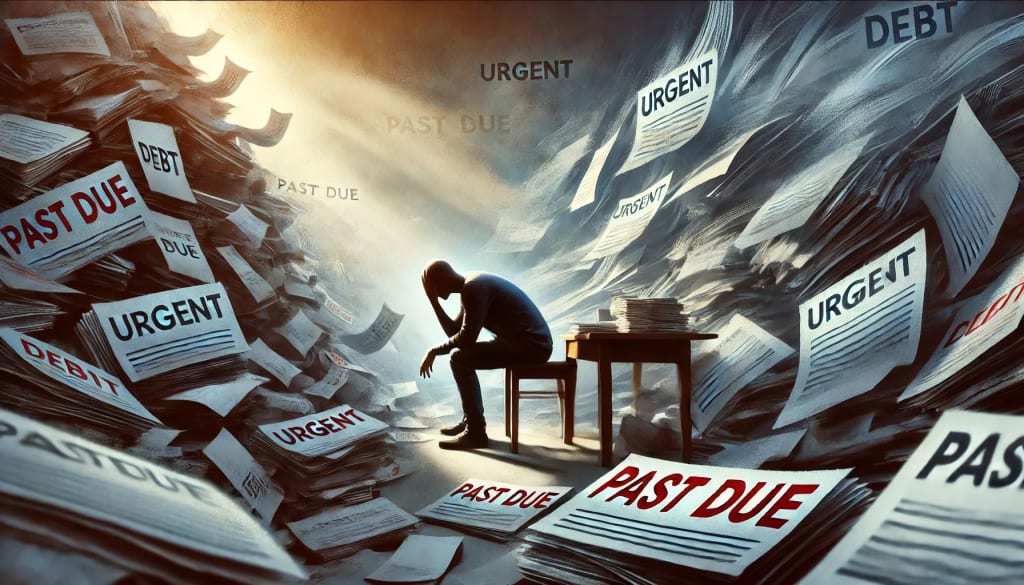
Debt can become overwhelming when financial obligations pile up faster than your ability to pay them off. For many, finding themselves unable to pay their debts is a deeply distressing and isolating experience. However, it's important to understand that you're not alone, and there are steps you can take to regain control of your financial situation. This article explores the types of debts that might become unmanageable, the consequences of unpaid debts, and the options available to address them.
Why Debts Become Unmanageable
Several factors can lead to a situation where debts become unpayable:
Unexpected Expenses: Sudden medical emergencies, car repairs, or household breakdowns can deplete savings and push people into debt.
Job Loss: Losing a source of income can make it difficult to keep up with regular payments.
High-Interest Rates: Credit cards and payday loans with high-interest rates can cause debts to snowball quickly.
Poor Financial Planning: Overspending or lack of budgeting can result in accumulating debt over time.
Economic Downturns: Recessions or economic instability can affect businesses and individuals, leading to reduced income and increased debt burdens.
Understanding how debts became unmanageable is the first step toward finding a solution.
Consequences of Unpaid Debts
When debts go unpaid, they can have significant personal and financial consequences:
Credit Score Damage: Missed payments and defaults are reported to credit bureaus, resulting in a lower credit score. This can make it harder to qualify for loans, mortgages, or even rental applications in the future.
Collection Efforts: Creditors may hire collection agencies to pursue the unpaid debt. This can include persistent phone calls, letters, or even legal action.
Legal Consequences: In some cases, creditors may sue to recover the debt, leading to wage garnishments or bank account levies if a court judgment is issued against you.
Stress and Mental Health: Financial struggles can take a toll on mental health, causing anxiety, depression, or strained relationships.
Asset Loss: Secured debts, like car loans or mortgages, can lead to repossession or foreclosure if payments are not made.
Despite these consequences, there are ways to address and resolve unpaid debts.
Types of Debts and Their Challenges
Understanding the nature of your debts is crucial because different types of debts have varying consequences and solutions:
Secured Debts: These are backed by collateral, such as a home or car. If payments aren’t made, the lender can seize the collateral.
Unsecured Debts: These include credit cards, personal loans, and medical bills. While there is no collateral, creditors can still sue for repayment.
Student Loans: Federally backed student loans have unique rules and repayment options. While they’re challenging to discharge in bankruptcy, income-driven repayment plans are available.
Tax Debts: Owing money to the government can lead to penalties, interest, and liens on property. However, the IRS and other tax authorities often offer payment plans.
Child Support and Alimony: These obligations are legally mandated and cannot be discharged in bankruptcy. Nonpayment can lead to severe legal penalties, including jail time in some cases.
Options for Dealing with Debts You Can’t Pay
If you’re struggling with debts, there are several strategies to consider. Each option has its pros and cons, so it’s essential to assess your situation carefully.
1. Communicate with Creditors
Many creditors are willing to work with individuals facing financial hardship. Options might include:
Payment Plans: Spreading payments over a longer period to make them more manageable.
Reduced Interest Rates: Some creditors may lower interest rates temporarily.
Forbearance: A temporary pause in payments while you get back on your feet.
2. Budgeting and Financial Counseling
Creating a realistic budget is a fundamental step in addressing debt. Financial counselors can help you:
Analyze your income and expenses.
Identify areas to cut costs.
Create a plan to tackle debts systematically.
Nonprofit credit counseling agencies offer free or low-cost services to help you get back on track.
3. Debt Consolidation
Debt consolidation involves combining multiple debts into a single loan with a lower interest rate. This can simplify repayment and reduce overall costs. Options include:
Personal loans.
Balance transfer credit cards with promotional rates.
Home equity loans (if applicable).
4. Debt Settlement
In debt settlement, you negotiate with creditors to pay a reduced lump sum in exchange for forgiveness of the remaining balance. While this can provide significant savings, it may:
Hurt your credit score.
Result in taxable income for the forgiven amount.
Require upfront fees if using a debt settlement company.
5. Bankruptcy
Bankruptcy is a legal process that can provide relief from overwhelming debt. There are two main types for individuals:
Chapter 7: Eliminates most unsecured debts but may require selling non-exempt assets.
Chapter 13: Creates a repayment plan based on your income, allowing you to keep assets while paying off some debt over 3-5 years.
Bankruptcy has long-term consequences for your credit but can offer a fresh start.
6. Government Programs and Assistance
For certain types of debts, such as student loans and tax debts, government programs may provide relief:
Income-Driven Repayment Plans for federal student loans.
Offers in Compromise for tax debts, allowing you to settle for less than the full amount owed.
7. Seek Legal Advice
If creditors are pursuing legal action or if you’re considering bankruptcy, consulting an attorney can help protect your rights and navigate complex legal processes.
Preventing Future Debt Issues
Once you’ve addressed your current debts, taking steps to prevent future financial difficulties is crucial. Consider these strategies:
Build an Emergency Fund: Save 3-6 months’ worth of living expenses to cover unexpected costs.
Improve Financial Literacy: Educate yourself on budgeting, investing, and credit management.
Live Within Your Means: Avoid lifestyle inflation and stick to a budget.
Use Credit Wisely: Pay off balances in full each month to avoid interest charges.
Monitor Your Credit: Regularly check your credit report for errors or signs of identity theft.
The Emotional Toll of Debt
Debt can have profound emotional and psychological impacts, including feelings of shame, anxiety, or hopelessness. It’s essential to:
Seek Support: Talk to trusted friends, family, or mental health professionals.
Focus on Progress: Celebrate small victories as you work toward financial stability.
Practice Self-Compassion: Understand that many people face financial struggles and that overcoming debt is a process.
Conclusion
Finding yourself unable to pay your debts can be a challenging and intimidating experience. However, it’s important to remember that there are resources and strategies available to help you navigate this situation. By understanding your options, seeking support, and taking proactive steps, you can regain control of your financial future. The journey to financial stability may take time, but with persistence and planning, it is achievable.
About the Creator
Keep reading
More stories from William D. Doolittle and writers in Education and other communities.
The Log Board Foot Calculator: A Comprehensive Guide
Before diving into the intricacies of log board foot calculators, it's essential to grasp the concept of board feet itself. A board foot is a unit of measurement for lumber, representing a volume of wood equal to one square foot (144 square inches) that is one inch thick.
By William D. Doolittleabout a year ago in Education
Smart Healthcare Systems: Transforming Medical Operations Through Digital Innovation
The healthcare industry is undergoing a profound transformation as digital technologies reshape the way medical organizations operate. Hospitals, clinics, and healthcare networks are increasingly adopting advanced technological solutions to enhance efficiency, improve patient outcomes, and reduce administrative burdens. As healthcare demands continue to rise globally, technology has become an essential tool for streamlining operations and supporting better coordination among healthcare professionals.
By Brady Beitlichabout 9 hours ago in Education
Rachel Reviews: Lakefront Wolves by Joseph Deegan
Meet Finn. He's an 18 year old kid who has potential. He's bright with great school scores and he's also an athlete, a footballer of some prowess. He has it all going for him, it would seem, and yet, he's determined to send what could be a well-planned, stable existence firmly off the rails. He drinks, he smokes, he takes drugs, he has violent tendencies and he's in danger of losing not only his mind but all that he holds dear.
By Rachel Deeming7 days ago in BookClub



Comments
There are no comments for this story
Be the first to respond and start the conversation.