
Deadly Unknown Illness Spreads in Northwest DRC, Killing Over 50 People
Health Officials Race to Identify Cause as Cases Rise Rapidly in Remote Villages

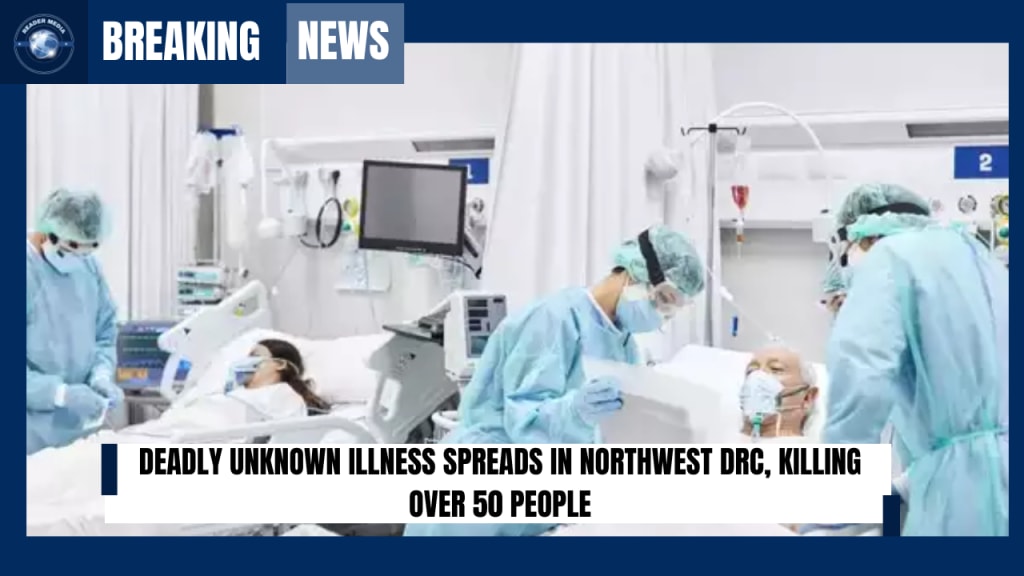
A deadly unknown illness has spread rapidly in the Democratic Republic of the Congo (DRC), claiming more than 50 lives within just five weeks. The outbreak, first detected in three children who ate a bat, has affected remote villages in Équateur province, causing concern among health experts and the World Health Organization (WHO).
Fast-Spreading Outbreak Raises Alarm
According to WHO, as of February 16, 2025, there have been 431 cases and 53 deaths linked to two outbreaks in the region. The rapid spread of the disease, combined with its severe symptoms, has raised significant concerns about public health safety in the affected areas.
Initial Cases Traced to Bat Consumption
The outbreak was first detected in Boloko village in Bolomba health zone, where three children under five years old fell ill and later died. Reports suggest that the children had eaten a dead bat, leading health officials to suspect a possible link between bat consumption and the disease.
Shortly after, other residents of Boloko and the nearby Dondo village began exhibiting similar symptoms. By January 21, WHO confirmed 12 cases and 8 deaths in this cluster.
Symptoms and Rapid Disease Progression
Medical professionals report that patients experience severe symptoms, including:
- High fever
- Vomiting
- Internal bleeding
- Fatigue
- Nosebleeds
- Vomiting blood
One of the most alarming aspects of the disease is the short interval between symptom onset and death, often occurring within 48 hours. This rapid deterioration has made it difficult for healthcare workers to respond effectively.
Second Outbreak in Bomate Village Worsens Crisis
A second outbreak was confirmed on February 13 in Bomate village, Basankusu health zone. This outbreak has been even more severe, with 419 reported cases and 45 deaths. WHO has classified the situation as a major public health emergency, as the disease continues to spread quickly.
Dr. Serge Ngalebato, medical director at Bikoro hospital, expressed deep concern about the situation, stating that the disease's speed and severity are unlike anything seen in recent years.
Cause of the Illness Still Unknown
Despite ongoing investigations, the exact cause of the illness remains a mystery. Samples from 13 patients have tested negative for both Ebola and Marburg virus, two diseases known for causing hemorrhagic fever.
WHO and local health officials are now investigating other possible causes, including:
- Malaria
- Food poisoning
- Typhoid fever
- Meningitis
Other viral hemorrhagic fevers
As of now, there is no confirmed connection between the Bomate and Boloko outbreaks. This has led experts to consider the possibility of different sources or an environmental factor affecting both locations.
Limited Healthcare Facilities Hindering Response
One of the biggest challenges in controlling the outbreak is the lack of adequate healthcare infrastructure in the affected villages. Many of these remote areas have limited medical supplies, insufficient healthcare personnel, and poor disease surveillance systems.
WHO has urged international health agencies and governments to assist in containing the outbreak before it escalates further.
Similar Cases in the Past
This is not the first time the DRC has witnessed a mysterious disease outbreak. In December 2024, another unknown illness was reported but was later identified as a severe malaria outbreak. Health authorities fear that if this latest outbreak is left unchecked, it could have devastating consequences for the region.
Urgent Need for Testing and Medical Assistance
Health officials stress the need for immediate action, including:
- Increased testing to determine the cause of the disease
- Medical support teams to provide emergency care
- Strict monitoring and quarantine measures
- Public awareness campaigns to educate locals on preventive measures
WHO's Efforts to Control the Outbreak
WHO spokesperson Tarik Jašarević stated that the organization is working closely with local health teams to assess the situation. WHO is also preparing to provide emergency medical aid once the disease's origin is determined.
“We are looking into whether it is an infection or if a toxic agent is involved. Similar outbreaks have occurred in the past, and we need to analyze all possible causes,” Jašarević said.
What Can Be Done to Prevent Further Spread?
Given the high fatality rate and rapid progression of symptoms, early detection and containment are crucial. Health officials advise the following precautions:
Avoid consuming wild animals, especially bats, as they are known carriers of dangerous viruses.
Report symptoms immediately to the nearest health facility.
Practice good hygiene, including regular handwashing and avoiding contact with infected individuals.
Follow guidelines issued by local health authorities to reduce the risk of transmission.
A Race Against Time
The unknown illness in northwest DRC has already claimed over 50 lives and infected hundreds more. With the exact cause still unknown, healthcare professionals face an urgent challenge in preventing further spread and loss of life.
The international community is closely monitoring the situation, and WHO continues its investigations. As the world awaits answers, the priority remains saving lives and stopping the disease before it turns into a larger crisis.
Stay updated with the latest news on public health emergencies.
Disclaimer
This content has been created by an AI language model and is intended to provide general information. While we strive to deliver accurate and reliable content, it may not always reflect the latest developments or expert opinions. The content should not be considered as professional or personalized advice. We encourage you to seek professional guidance and verify the information independently before making decisions based on this content.
This information is sourced from The Guardian
About the Creator
Reader Media News
Welcome to Reader Media – your go-to source for the latest news, expert insights, and in-depth articles across business, tech, health, entertainment, sports, and more. Stay informed and engaged with the world through quality content.
Keep reading
More stories from Reader Media News and writers in Education and other communities.
Donald Trump Appoints Dan Bongino as Deputy FBI Director
Former U.S. President Donald Trump has named right-wing commentator Dan Bongino as the new deputy director of the FBI. The announcement, made via social media, has stirred reactions from political circles and the public alike. Bongino, a former Secret Service agent and a well-known conservative voice, will now serve under newly appointed FBI Director Kash Patel.
By Reader Media Newsabout a year ago in Education
Creating Strong and Adaptable Healthcare Teams
Healthcare environments demand constant focus, quick decisions, and consistent teamwork. Medical professionals work under pressure while managing patient care, administrative tasks, and evolving clinical practices. In such demanding conditions, organizations must focus on building strong healthcare teams that remain stable and effective even during challenging situations.
By Brady Beitlich3 days ago in Education



Comments
There are no comments for this story
Be the first to respond and start the conversation.