
Deadly Cholera Outbreak in Angola: Rising Death Toll Sparks Urgent Global Response
A Nation in Crisis as Cholera Spreads Rapidly

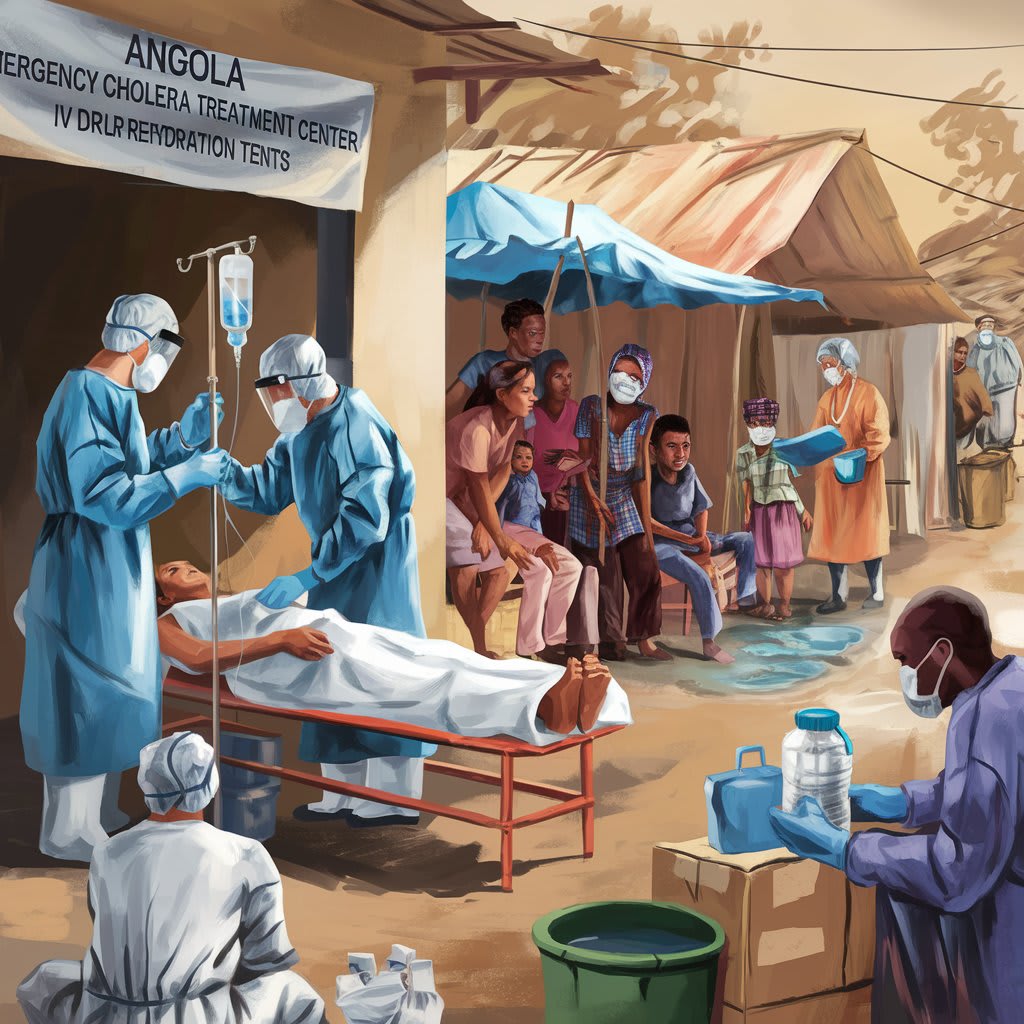
As of January 29, 2025, Angola is battling a severe cholera outbreak that has claimed 48 lives and infected over 1,200 individuals. The highly contagious waterborne disease has been spreading at an alarming rate, prompting swift action from both national and international organizations to curb the crisis and save lives.
How the Cholera Outbreak Began
The outbreak was first identified on January 7, 2025, when a confirmed case of cholera was reported in Luanda, the capital city of Angola. Within just a few days, the disease rapidly spread to surrounding regions, including Icolo e Bengo and Bengo. By January 10, 2025, the World Health Organization (WHO) had already recorded 119 cases.
Cholera is a severe diarrheal illness caused by the Vibrio cholerae bacterium, which spreads through contaminated food and water. The outbreak in Angola has been fueled by inadequate sanitation, poor water infrastructure, and dense urban populations, making it difficult to contain the disease.
Government and International Intervention
To combat the worsening crisis, the Angolan Ministry of Health officially declared a cholera outbreak and initiated emergency measures. These included setting up specialized Cholera Treatment Centers (CTCs) in affected areas to provide medical care, isolate infected patients, and prevent further spread. These facilities have been critical in saving lives, offering urgent rehydration therapy to patients suffering from severe dehydration caused by the disease.
Recognizing the urgent need for a coordinated response, international health agencies, including the WHO and UNICEF, have stepped in to support Angola. On January 11, WHO representatives met with Angola’s Minister of Health at the General Hospital of Cacuaco to strategize containment efforts. The organization praised the government's quick response and adherence to International Health Regulations (IHR 2005). Meanwhile, UNICEF has been actively involved in mobilizing resources, including essential medical supplies, clean water, and hygiene kits, to the hardest-hit regions.
Alarming Cholera Statistics
As of January 29, 2025, official reports confirm a total of 1,216 cholera cases and 48 deaths. The crisis continues to escalate, with 63 new cases and three additional fatalities reported within the last 24 hours alone. Health experts warn that without sustained intervention, these numbers could rise dramatically in the coming weeks.
The ongoing outbreak has disproportionately affected vulnerable communities, particularly those in low-income areas where access to clean water and proper sanitation is severely limited. The high population density in these regions further accelerates transmission, making containment a daunting challenge.
Barriers to Controlling the Outbreak
Several critical factors are complicating Angola’s efforts to bring the cholera epidemic under control:
1. Lack of Clean Water and Sanitation
The primary driver of the cholera outbreak is the limited access to clean drinking water and inadequate sanitation systems. Many affected communities rely on untreated water sources, which become easily contaminated, allowing the disease to spread unchecked.
2. Overburdened Healthcare System
With cases surging daily, hospitals and health clinics are struggling to keep up with the demand for treatment. Many facilities lack sufficient medical supplies, trained personnel, and space to accommodate the increasing number of patients.
3. Limited Public Awareness
A lack of public awareness about cholera transmission and prevention has exacerbated the crisis. Many residents in affected regions are unaware of the symptoms and dangers of the disease, leading to delayed medical treatment and increased mortality rates.
Critical Measures to Stop the Spread
Health experts emphasize that a combination of emergency interventions and long-term strategies is essential to curb the cholera outbreak. The following preventive measures are being implemented to combat the crisis:
1. Providing Safe Drinking Water
The government and international agencies are prioritizing the distribution of clean drinking water to affected communities. Water purification initiatives, including chlorination and well disinfection programs, are also being expanded to prevent further contamination.
2. Strengthening Sanitation and Hygiene
Efforts are underway to improve sanitation infrastructure, including constructing public latrines and waste disposal systems. Additionally, hygiene education campaigns are being rolled out to encourage proper handwashing and food safety practices.
3. Expanding Cholera Vaccination Campaigns
To offer immediate protection against the disease, Angola has launched an oral cholera vaccination drive in high-risk areas. The campaign aims to immunize thousands of people, particularly those living in overcrowded or high-exposure zones.
4. Mobilizing Community Engagement
Authorities are working with local leaders and organizations to educate the public on cholera prevention and encourage individuals to seek medical attention at the first sign of symptoms. Community health workers are playing a crucial role in spreading awareness and distributing hygiene kits.
Global Solidarity in the Face of Crisis
The cholera outbreak in Angola has drawn significant international concern, with organizations around the world rallying to provide aid. UNICEF has been instrumental in delivering emergency assistance, emphasizing the need for long-term solutions to prevent future outbreaks.
The WHO has also escalated its response efforts, reinforcing disease surveillance, deploying rapid response teams, and coordinating large-scale testing to monitor the outbreak’s trajectory. International donors and humanitarian agencies are contributing funds and medical supplies to support Angola’s fight against the epidemic.
The Road Ahead: Overcoming the Cholera Epidemic
Angola’s cholera crisis underscores the urgent need for sustainable public health solutions. While emergency response efforts are critical in the short term, addressing the root causes of the outbreak—poor sanitation, lack of clean water, and weak healthcare infrastructure—will be essential for long-term prevention.
Government officials have pledged to prioritize investments in water and sanitation systems, recognizing that long-term improvements are necessary to safeguard public health. Strengthening disease surveillance, enhancing healthcare capacity, and ensuring access to lifesaving vaccines will also be key components of future prevention strategies.
Despite the grim statistics, Angola’s resilience, combined with international solidarity, offers hope for overcoming the cholera epidemic. Through continued efforts, it is possible to contain the outbreak, save lives, and build a stronger public health system to prevent future crises.
Conclusion: A Call for Action
As the death toll rises, immediate action is required to contain the cholera outbreak and prevent further devastation. Every effort counts—from governments and global health agencies to individual community members. Supporting public health initiatives, raising awareness, and contributing to relief efforts can all make a difference in Angola’s fight against cholera.
If you found this article informative, consider sharing it with others to spread awareness about the crisis. Your support—whether through donations, advocacy, or simply staying informed—can help make a real impact in combating this deadly outbreak.
Thank you for reading, and let’s work together to bring this epidemic to an end.
About the Creator
Mercy Muthui
mercy muthui – Writer | Researcher
Welcome to my Vocal Media space! I’m a passionate writer focused on global health, human rights, and social issues. Let’s learn, share, and make an impact together!
📩 Open to collaborations—let’s connect!
Keep reading
More stories from Mercy Muthui and writers in Education and other communities.
Master the Art of Squats: Unlock Strength and Mobility Like Never Before
With regards to developing fortitude, further developing portability, and supporting in general wellness, barely any activities match the adaptability and viability of squats. Frequently viewed as the foundation of any strong exercise routine everyday practice, squats connect with different muscle gatherings, advance useful development, and proposition innumerable medical advantages. However, in spite of their significance, squats stay one of the most misconstrued and undervalued practices in wellness.
By Mercy Muthuiabout a year ago in Education
NCLEX Study Plan: A Step-by-Step Guide for Nursing Students
Preparing for the NCLEX-RN is one of the most important milestones in the nursing students’ career. This is because the NCLEX is the final step before nursing students can become licensed nurses. However, it is not as easy as simply reading nursing textbooks and taking notes from class lectures. This is because the NCLEX is designed to test the nursing students’ clinical judgment and decision-making skills.
By Sulcus Learning6 days ago in Education
Uniting Hearts: The Global Call to Share the Gospel
Evangelism has always been a central mission for Christians, serving as a bridge between faith and the people who have yet to experience it. The act of sharing the Gospel is not limited by geography or culture; it is a calling that transcends borders, language, and societal differences. At its core, evangelism is about offering hope, love, and guidance to those seeking meaning in their lives. The global landscape presents a unique opportunity to spread this message, but it also requires understanding, patience, and cultural sensitivity.
By World Olivet Assemblyabout 16 hours ago in Education




Comments (1)
Wow! Strange and sad outbreak! Well written