
Dangerous Line Jobs
World's Dangerous line jobs we should know

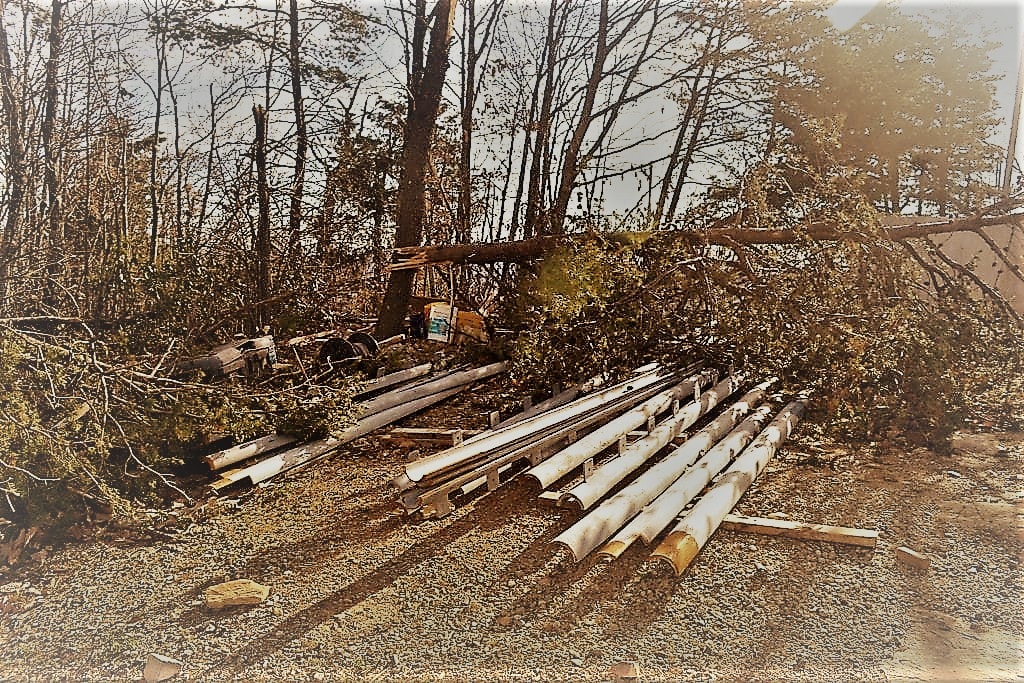
According to surveys conducted by National Lineman and data from utility companies, the occupation of being a lineman has a relatively high fatality rate, with 42 deaths per 100,000 individuals working in that profession. This means that being a lineman is a relatively dangerous job and those who work in this profession are at a higher risk of losing their lives while on the job.
What actually a lineman does?
A linemen install, hold and restore high-powered electrical lines, scale poles to repair overhead lines, and investigate strains in want of restore or replacement. in some cases they install underground lines too.
A lineman is a tradesperson who specializes in the construction, maintenance, and repair of electrical power systems, including power lines, transformers, and other electrical infrastructure. Their duties may include installing new power lines and equipment, repairing and maintaining existing infrastructure, and responding to power outages. They may also be responsible for installing and maintaining communication and data lines. Linemen work both indoors and outdoors, and may be required to work at great heights and in inclement weather. They often have to climb poles and towers, using safety equipment such as harnesses, lanyards, and hardhats. They also use specialized tools and equipment to complete their work, such as cable cutters, voltage testers, and insulated gloves.
Why lineman jobs are dangerous?
Lineman jobs are dangerous for several reasons:
- High-voltage electricity: Linemen often work with high-voltage electricity, which poses a significant risk of electrical shock or burn injuries.
- Working at heights: Linemen may have to work at great heights, such as on power poles and towers, which increases the risk of falls.
- Physical Demands: The work can be physically demanding and may require climbing, carrying heavy equipment, and working in inclement weather.
- Dangerous working conditions: Linemen often have to work in extreme weather conditions, such as high winds, lightning, and ice storms, which can make the work environment hazardous.
- Risk of injury and death: Due to the nature of their work, linemen are at a higher risk of injury or death than many other occupations.
- Emergencies: Linemen may have to respond to emergencies, such as power outages, which can put them in dangerous situations.
The Most Dangerous lineman job
The most dangerous lineman job is likely one that involves working on high-voltage power lines, as the risk of electrical shock or burn injuries is significant. Linemen working on these types of power lines may also have to work at great heights, which can increase the risk of falls. Additionally, the work can be physically demanding and may require climbing, carrying heavy equipment, and working in inclement weather
STORM RECOVERY WORK or STORM CHASES is one of the most dangerous categories of line work, working overtime after hurricane or tropical storm often pays well for storm chases, although these lineman jobs are extremely dangerous.
Storm recovery work is the process of repairing and restoring power systems and infrastructure that has been damaged by severe weather conditions such as hurricanes, tornadoes, and ice storms. This work may involve clearing fallen trees and debris from power lines, repairing damaged power poles and equipment, and restoring power to affected communities. Linemen and other skilled tradespeople are often called upon to perform storm recovery work, as they have the specialized knowledge and equipment necessary to safely and efficiently repair and restore power systems. This type of work can be physically demanding and may require working long hours, often under difficult conditions such as extreme heat or cold, and may be dangerous because of the risk of electrical shock or other hazards.
The crew is working in unfamiliar conditions, teams are often tired and understaffed, and grounding or footing can be unstable at times
SRW (Storm recovery work)or SC is commonly described as the deliberate pursuit of any extreme climate phenomenon.
About the Creator
Electrical Simplifed
Grand Welcome to our Page
We are Learning And Sharing we Learnt
Gaining knowledge will be simplified by following us
- Team ES
Keep reading
More stories from Electrical Simplifed and writers in Education and other communities.
Building Stronger Schools Through Student Mental Health Support
Schools across the United States face a growing responsibility to support students with anxiety and depression. Academic pressure, social media influence, family stress, and uncertainty about the future affect students at younger ages than ever before. Therefore, schools must recognize that mental health directly shapes learning outcomes, behavior, and long-term well-being. When students feel emotionally supported, they engage more fully in class and build stronger relationships. As a result, mental health care should stand alongside academic instruction as a core school priority.
By Martin Karpabout 5 hours ago in Education
How to Succeed at the Benson Directory®
Congratulations and welcome to the Benson Directory® employee #22391! As our newest call handler, you will have the privilege of speaking with dozens of unique and interesting people on a daily basis as well as the opportunity to earn bonuses for high performance. Contained within this handbook you will find a set of ease to follow instructions designed to help you settle in to your new role and begin paving the way to success.
By S. A. Crawford4 days ago in Fiction



Comments
There are no comments for this story
Be the first to respond and start the conversation.