
Cyber Security and Data Privacy
Protecting Your Online Information in the Digital Age
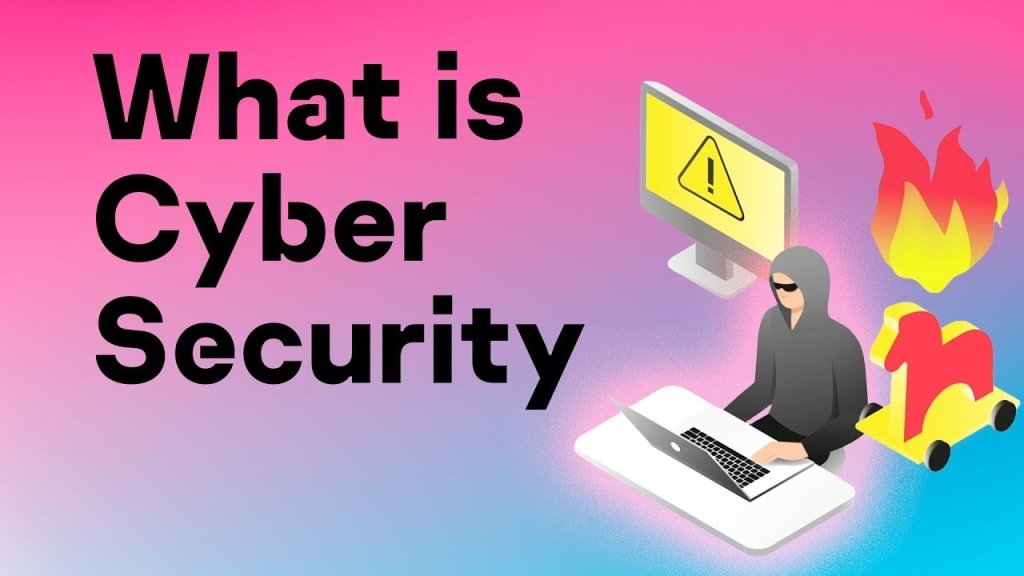
In today's digital age, personal and sensitive information is being stored, shared, and transmitted online more than ever before. This has led to an increased risk of cyber threats, such as hacking, identity theft, and data breaches. As a result, it's more important than ever to protect yourself and your information online, it's crucial that we take steps to protect it from malicious actors who may use it for nefarious purposes. In this blog, we'll explore the basics of cybersecurity and data privacy and provide tips and advice on how to keep yourself and your information safe.
What is Cyber Security?
Cyber security refers to the measures taken to protect computers, networks, and electronic data from unauthorized access, theft, and damage. This includes protecting against hacking, phishing, malware, and other forms of cyber attacks. The goal of cyber security is to ensure the confidentiality, integrity, and availability of sensitive information, such as financial data, personal information, and intellectual property.

Why is Cyber Security Important?
With the increasing reliance on technology and the internet, the importance of cyber security cannot be overstated. Cyber attacks can have severe consequences for individuals, businesses, and governments, leading to financial loss, identity theft, and the theft of sensitive information. In addition, cyber attacks can also disrupt critical infrastructure, such as power grids and healthcare systems, potentially putting lives at risk.
What is Data Privacy?
Data privacy refers to the protection of personal information, such as names, addresses, and Social Security numbers, from unauthorized access and use. This includes ensuring that companies, organizations, and governments properly secure and manage personal data, and that individuals have control over how their personal information is collected, used, and shared.

Why is Data Privacy Important?
The importance of data privacy lies in the protection of personal information from unauthorized access and use. If personal data falls into the wrong hands, it can be used for malicious purposes, such as identity theft or fraud. In addition, companies and governments that collect and manage personal data must ensure that they are doing so in a responsible and ethical manner, and that individuals have control over how their information is used.

8 Tips and Advice for Protecting Your Cyber Security and Data Privacy
- Password Management:
Use strong passwords and enable two-factor authentication: This adds an extra layer of security to your accounts, making it more difficult for malicious actors to gain access to your information.
- Keep Software Up-to-Date:
Keeping your software up-to-date is another important aspect of cybersecurity. Software updates often include security patches, so it's important to stay current and protect yourself from potential vulnerabilities.
- Be Careful with Email and Social Media:
Email and social media are common vectors for cyber attacks, so it's important to be cautious when using these platforms. Avoid clicking on links or downloading attachments from unknown or suspicious sources, and never provide personal or sensitive information through these channels.
- Be cautious of phishing emails:
Phishing emails are designed to look like legitimate emails, but contain links to malware or fake websites that can steal your information. Always be skeptical of emails asking for personal information or passwords.
- Use a Virtual Private Network (VPN):
A VPN can help protect your online activity and keep your information private by encrypting your internet connection. This can be especially important when using public Wi-Fi, where your information may be vulnerable to interception.
- Regularly backup your data:
In case of a cyber attack or data loss, having a backup of your data can help you recover more quickly.
- Be mindful of the information you share online:
Be cautious about the information you share on social media and other online platforms, as it can be used for malicious purposes.
- Read privacy policies and understand how your information is being used:
When you sign up for a service or download an app, be sure to read the privacy policy and understand how your information will be collected and used.
In conclusion,
protecting yourself and your information online is crucial in today's digital age. By following these simple tips and being mindful of the risks, you can reduce your exposure to cyber threats and keep your information safe and secure. Remember, it's always better to be proactive and protect yourself, rather than waiting for a potential security breach to occur.
About the Creator
Keep reading
More stories from harish kumar and writers in Education and other communities.
The Cursed Mansion Of Millfield
Once upon a time, there was a small town called Millfield where strange things began to occur. People started disappearing in the middle of the night, leaving behind no trace or clues. The townspeople were scared and on edge, as the disappearances continued with no explanation.
By harish kumar3 years ago in Fiction
Karen Solie’s Wellwater Wins the TS Eliot Poetry Prize: A Quiet Triumph of Modern Verse
In a literary world often dominated by loud headlines and fast-moving trends, poetry still finds ways to stop time. That pause arrived powerfully with the announcement that Karen Solie’s poetry collection Wellwater has won the TS Eliot Poetry Prize, one of the most prestigious honors in contemporary poetry. The award is not only a personal milestone for Solie but also a reminder of poetry’s enduring ability to explore the human condition with depth, restraint, and emotional clarity. A Prize That Shapes the Poetry World The TS Eliot Poetry Prize, awarded annually in the United Kingdom, is considered one of the highest accolades a poet can receive. It recognizes the best new poetry collection published in the UK or Ireland, often setting the tone for literary discussions in the year ahead. Past winners have included some of the most influential poetic voices of modern times, making Solie’s victory a significant cultural moment. What sets this prize apart is its emphasis on craft, originality, and emotional intelligence—qualities that Wellwater embodies fully. Who Is Karen Solie? Karen Solie is a Canadian poet known for her sharp intellect, grounded observations, and emotionally resonant language. Over the years, she has earned respect for writing poetry that feels both deeply personal and socially aware. Her work often navigates themes such as place, memory, climate anxiety, labor, aging, and quiet resilience, avoiding grand statements in favor of carefully observed truths. Solie’s poetry does not shout; it listens. That listening quality is precisely what makes Wellwater stand out. Inside Wellwater: Poetry of Depth and Reflection Wellwater is a collection that moves deliberately, inviting readers to slow down and pay attention. The title itself suggests hidden depths—water drawn from below the surface, shaped by time and pressure. This metaphor runs throughout the collection, as Solie explores lives shaped by unseen forces: economic uncertainty, environmental change, personal history, and emotional endurance. The poems are rooted in everyday experiences, yet they carry philosophical weight. Solie writes about landscapes both natural and human-made, finding meaning in small moments: a shift in weather, a conversation overheard, a memory resurfacing unexpectedly. Her language is precise but never cold, intellectual without being inaccessible. Why Wellwater Resonated With Judges The TS Eliot Prize judges praised Wellwater for its quiet authority and emotional honesty. In a time when many works aim for immediacy or spectacle, Solie’s collection was recognized for its patience and depth. The poems do not rush toward conclusions; instead, they allow complexity to remain unresolved, mirroring real life. This approach reflects a broader shift in contemporary poetry, where subtlety and reflection are gaining renewed appreciation. Solie’s work demonstrates that poetry can be powerful without being performative, political without being loud, and personal without being confessional. Poetry in a Restless World The success of Wellwater also speaks to the role of poetry in today’s fast-paced, digitally saturated culture. As attention spans shrink, poetry offers a counterbalance—a space where readers can slow down, sit with uncertainty, and engage with language thoughtfully. Solie’s poems address modern anxieties without sensationalism. Climate change, economic instability, and emotional fatigue are present, but they are woven into lived experience rather than treated as abstract concepts. This grounding makes Wellwater especially relevant to contemporary readers seeking meaning rather than noise. What This Win Means for Contemporary Poetry Karen Solie’s TS Eliot Prize win reinforces the idea that poetry still matters, even—perhaps especially—in uncertain times. It highlights the value of work that prioritizes depth over trendiness and reflection over reaction. For emerging poets, Solie’s success is encouraging. It suggests that careful craftsmanship, intellectual honesty, and emotional restraint can still find recognition in a competitive literary landscape. For readers, Wellwater offers an invitation: to read slowly, to think deeply, and to reconnect with the quieter aspects of being human. A Lasting Literary Moment Karen Solie’s Wellwater winning the TS Eliot Poetry Prize is more than an award announcement—it is a celebration of poetry’s ability to endure, adapt, and illuminate. In drawing from the deep wells of observation and experience, Solie has created a collection that will likely be read and discussed for years to come. In an age hungry for instant answers, Wellwater reminds us that some truths are best discovered slowly.
By Fiaz Ahmed Brohi5 days ago in Education
📢 Raise Your Voice Thread: 01/22/2026
Our “Raise Your Voice Threads” are hosted most alternating Thursdays at 12PM ET to offer creators more avenues to uncover exceptional stories on Vocal. As we are continuously searching for fresh creators and inspiring stories, this thread provides an opportunity to exchange and discuss the stories that have moved and motivated us on Vocal.
By Raise Your Voice by Vocal2 days ago in Resources




Comments
There are no comments for this story
Be the first to respond and start the conversation.