
CURRENT AFFAIRS OF PAKISTAN | POLITICAL SITUATION & IMF
PAKISTAN AFFAIRS

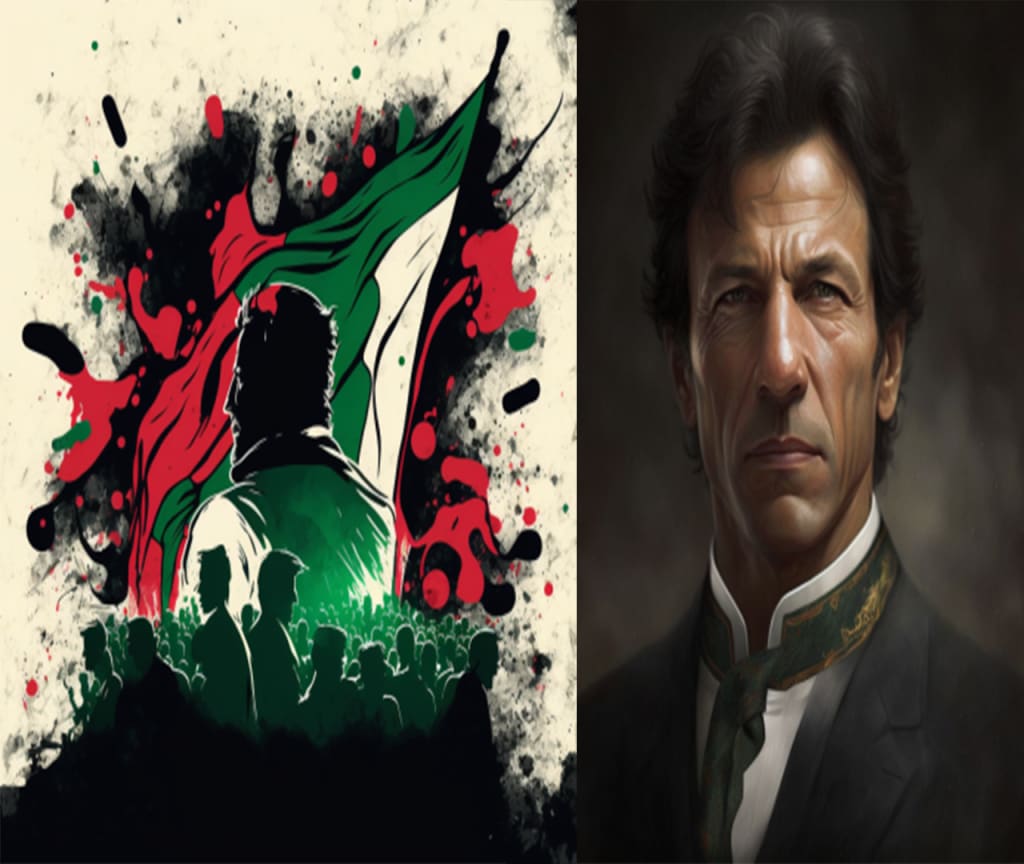
Pakistan, a country situated in South Asia, is currently facing a number of political and economic challenges. The country has been dealing with issues such as corruption, terrorism, poverty, and a struggling economy for many years. In recent times, the situation has become more critical, and the government is trying to find ways to address these problems.
Political Situation:
The political situation in Pakistan has been tumultuous, to say the least. The current government led by Prime Minister Imran Khan is facing a number of challenges, both internally and externally. The opposition parties have been criticizing the government for its policies, particularly with regards to the economy.
In addition, the government has been struggling to maintain law and order in the country, with incidents of violence and terrorism still a major concern. The country is also facing increasing pressure from international organizations such as the United Nations and the European Union to address human rights violations and issues related to freedom of speech and press.
IMF:
The International Monetary Fund (IMF) has been playing an important role in Pakistan's economy for several years. In 2019, Pakistan signed a $6 billion loan agreement with the IMF to help address its financial crisis. The IMF loan was aimed at supporting the country's efforts to stabilize its economy, which was facing significant challenges due to a widening current account deficit, a high fiscal deficit, and a low level of foreign reserves.
However, the IMF loan has come with its own set of challenges. The government has been required to implement a number of reforms, including measures to increase tax revenues, reduce government spending, and improve the efficiency of the country's energy sector. These reforms have been unpopular with many Pakistanis, who have criticized the government for imposing austerity measures that have led to job losses and a decline in living standards.
Moreover, the IMF has been pressing Pakistan to address issues related to corruption and governance, which have been long-standing problems in the country. The government has been taking steps to improve transparency and accountability, but progress has been slow.
Conclusion:
In conclusion, Pakistan is facing a number of challenges, both political and economic. The current government is trying to address these issues, but progress has been slow. The IMF has been playing an important role in supporting the country's economy, but the reforms required as part of the loan agreement have been unpopular with many Pakistanis. It remains to be seen how the situation in Pakistan will evolve in the coming months and years, but one thing is clear: the country needs a concerted effort from all stakeholders to overcome its challenges and build a better future for its people.
Political Situation:
The current government, led by Prime Minister Imran Khan, came into power in 2018 after winning the general elections. However, the opposition parties have accused the government of rigging the election and have been demanding fresh elections. This has led to a tense political atmosphere in the country, with protests and rallies being held by both the government and opposition parties.
In addition, the government has been facing criticism for its handling of the COVID-19 pandemic. The country has recorded over 1.2 million cases and more than 27,000 deaths, and there have been allegations of mismanagement and corruption in the distribution of relief funds and medical supplies.
There have also been concerns over the government's approach towards the media and freedom of expression. Several journalists and media organizations have been targeted by the authorities, with some facing harassment, arrest, and censorship. Human rights organizations have called on the government to respect freedom of the press and protect the rights of journalists.
IMF:
The IMF loan agreement signed in 2019 was aimed at addressing Pakistan's economic crisis, which was fueled by a number of factors, including a large trade deficit, a high budget deficit, and a low level of foreign reserves. The loan was intended to support the government's efforts to stabilize the economy, reduce inflation, and create jobs.
As part of the loan agreement, the government was required to implement a number of reforms, including measures to increase tax revenues, reduce government spending, and improve the efficiency of the energy sector. The government also agreed to improve transparency and accountability in public finances, and to take measures to combat money laundering and terrorism financing.
However, the reforms have been met with resistance from some quarters. The opposition parties have criticized the government for imposing austerity measures that have led to job losses and a decline in living standards. There have also been concerns over the impact of the reforms on the poor and vulnerable sections of society.
In addition, there have been allegations of corruption and mismanagement in the implementation of the reforms. The IMF has been urging the government to address these issues and take measures to improve governance and transparency.
Conclusion:
The current affairs of Pakistan are complex and multifaceted, with the country facing a number of challenges on both the political and economic fronts. The government is facing pressure from various quarters, including the opposition parties, civil society organizations, and international bodies such as the IMF and the United Nations.
In order to address these challenges, the government needs to take a holistic approach, addressing not just the economic issues but also the political and social issues that are impacting the country. The government also needs to work towards building consensus and engaging with all stakeholders in a constructive manner.
It remains to be seen how the situation in Pakistan will evolve in the coming months and years, but one thing is clear: the country needs a concerted effort from all stakeholders to overcome its challenges and build a better future for its people.
Certainly, here are some additional details on the current government's approach to inflation and public reaction:
Current Government and Inflation:
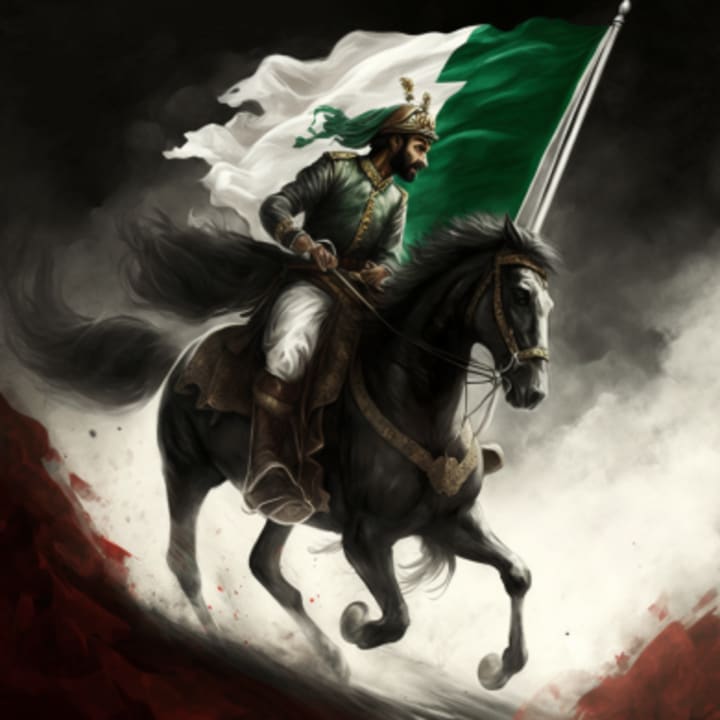
Inflation has been a major challenge for Pakistan's economy for many years. According to the State Bank of Pakistan, the country's inflation rate has remained above 9% for most of 2021, putting a strain on the finances of the average Pakistani. The government has been implementing measures to address inflation, such as increasing the interest rate and reducing government spending. However, these measures have not been enough to bring down inflation to manageable levels.
The government has also been criticized for its approach to inflation, with some economists and opposition parties accusing the government of failing to address the root causes of inflation. There have been calls for the government to implement more long-term structural reforms to address the underlying factors driving inflation, such as improving the efficiency of the agricultural sector and reducing the reliance on imports.
Public Reaction:
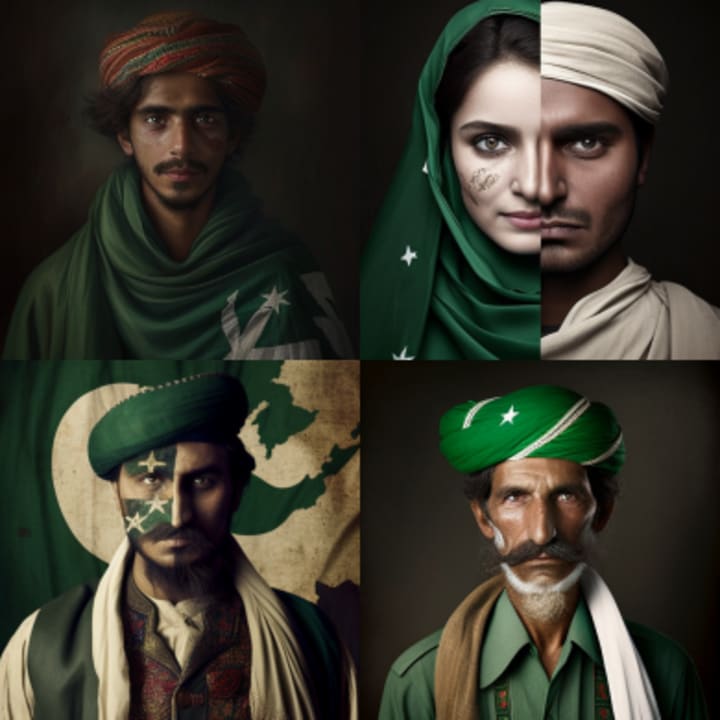
The high inflation rate has had a significant impact on the public, particularly on the poor and middle class. The rising cost of basic necessities such as food, housing, and energy has put a strain on household budgets, leading to public protests and unrest.
In addition to inflation, there have been concerns over the government's handling of other issues such as COVID-19, unemployment, and corruption. There have been allegations of corruption and nepotism in the government's hiring and procurement practices, leading to public outrage and demands for greater transparency and accountability.
The government's approach towards the media and freedom of expression has also been a source of concern, with some journalists and activists being targeted by the authorities. The government has been accused of using the pandemic as a pretext to crack down on dissent and criticism.
Overall, there is a sense of frustration and disillusionment among the public over the government's performance. The opposition parties have been exploiting this sentiment to mobilize support against the government, with protests and rallies being held across the country. It remains to be seen how the government will respond to these challenges and whether it will be able to address the concerns of the public effectively.
About the Creator
Salman Mehdi
(ARTIST)
As an artist who loves to write, I am a creative soul who is constantly inspired by the world around me. I believe that art and writing are both powerful mediums for expressing emotions, ideas, and experiences.
.
Keep reading
More stories from Salman Mehdi and writers in Education and other communities.
HISTORY OF ART
Art is a powerful form of human expression that has been practiced for thousands of years. Throughout history, art has served a variety of purposes, from religious and cultural expression to political propaganda and personal expression. The history of art is rich and complex, and has been shaped by countless cultural, social, and technological developments.
By Salman Mehdi3 years ago in Education
Prototyping Products in Electronics: Essential Tools for Modern Circuit Development
In the world of electronics design and product development, prototyping products play a crucial role in transforming theoretical circuit designs into real, testable systems. These tools allow engineers, developers, and hobbyists to experiment with electronic components, test circuit functionality, and refine designs before moving to full-scale production.
By Beckett Dowhan3 days ago in Education
"Beware the Ides of March"
Superstitious people may believe some days are unlucky. For instance, some think Friday the 13th is an unlucky day. Another day some people consider unlucky is March 15 because the English playwright William Shakespeare said in his famous play, Julius Caesar:
By Margaret Minnicks4 days ago in Education
March 15, 2026
Merriam Webster - Word of the day: Tranche refers to a division or portion of a whole. World Contact Day is commemorated every year on March 15. It is a unique observance held globally to focus on communicating with extraterrestrial life and exploring the possibility that intelligent beings may exist beyond Earth. World Contact Day inspires people to invoke their curiosity and spend time thinking about the universe and the mysteries surrounding it. What is the “Ides of March”? According to the Roman calendar, the Ides are a monthly occurrence. In March and other months with 31 days, the Ides always falls on the 15th; it falls on the 13th in months with 30 days. The Ides traditionally marked the arrival of the new Moon and was cause for celebration. The word “Ides” is derived from Latin, meaning “to divide.” Mothering Sunday in 2026 falls on Sunday, March 15. Mothering Sunday, celebrated in the United Kingdom and Ireland, occurs on the fourth Sunday of Lent, which is exactly three weeks before Easter. Unlike the fixed-date Mother's Day in countries like the United States, Canada, and Australia, Mothering Sunday’s date changes each year according to the Christian liturgical calendar. On March 15, 2026, several notable observances and events are celebrated: Dumbstruck Day: A day to express frustration. Everything You Think is Wrong Day: A day to challenge and celebrate wrong beliefs. International Day Against Police Brutality: A day to raise awareness and advocate against police violence. My look at today, March 15, 2026 below:
By Denise E Lindquistabout 17 hours ago in Writers


Comments
There are no comments for this story
Be the first to respond and start the conversation.