
"Curing" the "Empty Wallet Syndrome": 5 Ways to Control Impulsive Spending So Happiness Isn't Just a "Fat Wallet"
Let's spread good personal finance knowledge so that we can have a strong and sustainable financial foundation.

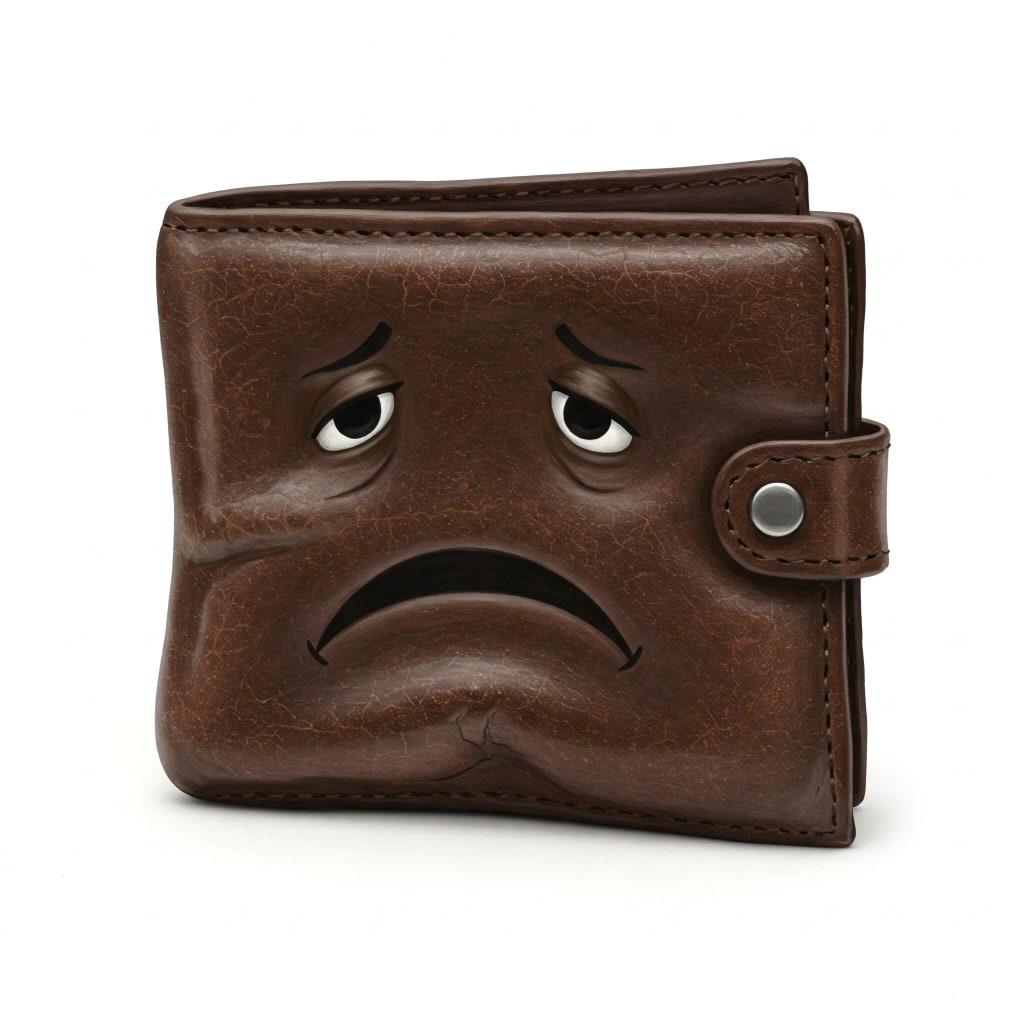
Have you ever experienced the feeling of "money gone as soon as you get paid"? That feeling is truly uncomfortable, like a sudden cold wind blowing through, sweeping away the hard-earned money you worked so hard for. Sometimes, we tell ourselves we'll save, we'll plan our spending scientifically. Yet, just a few clicks on tempting items online, a moment of weakness before an enticing invitation from friends, or simply a sudden craving for bubble tea, and all efforts seem to vanish into thin air. That's the "empty wallet syndrome" - a condition no one wants to have, but one that "visits" many of us.
Don't worry! You are not alone on this "healing" journey. I, the one writing these words, have also gone through those "wallet-aching" days. But with perseverance, with small changes in awareness and actions, I have gradually controlled the "shopping addiction" and built a more solid financial foundation. Today, I want to share with you 5 effective "remedies," "formulated" from my own experience and useful financial knowledge, so that together we can "say goodbye" to this annoying "empty wallet syndrome."
1. "Diagnose" Accurately: Spending Diary - "Understanding" Every Penny Spent.

The first step in healing any "illness" is to "diagnose" it correctly. The same goes for the "empty wallet syndrome." Do you really know where your money is "evaporating" to? Many of us tend to "ignore" small daily expenses, but they are quietly "nibbling" away at your wallet without you even realizing it.
Try spending a week, or better yet, a month, recording all your expenses, no matter how small. A takeaway coffee, a "casually" bought pastry on the way home, a few "cool" items on e-commerce platforms... Everything needs to be "accounted for" honestly. You can use a cute little notebook, a spending management app on your phone, or even just a simple spreadsheet.
When you look at the "big picture" of your spending, you might be surprised. Small amounts add up to much more than you imagined. You will realize unexpected "holes" in your financial management. This is a crucial "understanding" step, helping you identify the "triggers" causing the "wallet pain" and make appropriate adjustments.
2. "Develop a Treatment Plan": Budgeting - A "Compass" for Smart Spending.

After successfully "diagnosing" the problem, we need to "develop a treatment plan" - and that is building a specific spending budget. A budget is not a "shackle" that restricts your freedom, but a "compass" that guides smart and conscious spending decisions.
Divide your income into different spending categories: fixed costs (rent, utilities, internet...), variable costs (food, transportation, shopping...), and most importantly, savings and investments for the future.
There are many effective budgeting methods you can refer to, such as the 50/30/20 rule (50% for essential needs, 30% for personal wants, and 20% for savings and debt repayment). The important thing is to find the method that best suits your financial situation and lifestyle.
Once you have a clear budget, you will know how much money you have for each spending category and can make more informed purchasing decisions. You will no longer be swept away by impulsive shopping sprees, because you know that everything is planned and you are moving in the right direction towards your financial goals.
3. "Take the Right Dose": The "Waiting" Principle - "Cooling Down" the "Craving".

One of the typical "symptoms" of the "empty wallet syndrome" is sudden shopping "cravings." When we see a beautiful item or an attractive promotion, we are easily tempted and make a purchase decision immediately, without thinking carefully about its necessity.
The "remedy" here is the "waiting" principle. Get into the habit of delaying any unnecessary purchase decisions for 24 hours, 48 hours, or even a week. During this time, ask yourself the following questions:
Do I really need this item?
Will buying it affect my budget?
Can I find a cheaper or better alternative?
Many times, after the "waiting" period, you will realize that the initial "craving" was just a temporary emotion and you can live perfectly well without that item. The "waiting" principle is like a "fever reducer," helping you become more "conscious" of shopping "temptations" and make more rational decisions.
4. "Change Lifestyle": Stay Away from "Germs" - Limit Factors Causing "Inflammation".
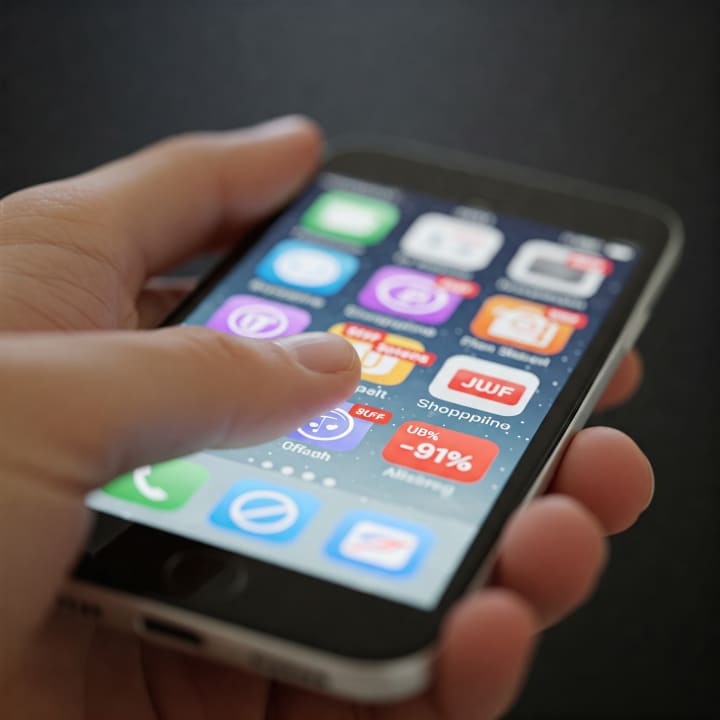
The surrounding environment has a significant impact on our spending habits. Constant advertisements on social media, shopping invitations from friends, luxurious stores with eye-catching goods... all are "germs" that can trigger your "empty wallet syndrome."
To "change your lifestyle" and stay away from these "germs," you can take the following measures:
Unfollow or hide pages and social media accounts that frequently advertise products you easily "give in" to.
Limit going to shopping malls or browsing online shopping websites if you are trying to cut down on spending.
Look for other inexpensive or less expensive entertainment activities than shopping, such as reading books, exercising, walking in the park, or spending time on personal hobbies.
Talk openly with friends about your financial goals and limit participating in unnecessary shopping activities with them.
"Changing your lifestyle" doesn't mean you have to become a boring and reclusive person. The important thing is to create an environment that supports your spending control goals and find joy in things other than shopping.
5. "Regular Check-ups": Monitor and Adjust - Ensure Long-Term Financial "Health".

The journey to "cure" the "empty wallet syndrome" is not a destination but a continuous process. Just like having "regular check-ups" after treating an illness, you need to regularly monitor your financial situation and make appropriate adjustments when necessary.
Set aside time weekly or monthly to review your budget, assess how well you have followed it, and identify any spending that exceeded the plan. From there, you can draw lessons learned and adjust your budget to suit the actual situation.
Don't be discouraged if you occasionally experience a "relapse" of the "empty wallet syndrome." The important thing is to recognize it and quickly return to your "treatment plan." Remember that perseverance and small daily changes will bring significant long-term results.
Final confession:

The "empty wallet syndrome" is not an incurable disease. With proper awareness and persistent implementation of simple yet effective "remedies," you can completely control impulsive spending and build a more secure financial future. Remember that true happiness does not lie in how much material wealth you possess, but in the peace of mind and freedom in your soul. When you control your finances, you will feel more confident, less stressed, and have more opportunities to pursue your true passions and goals.
Are you "battling" the "empty wallet syndrome"? What methods have you applied to control your spending? Share your experiences in the comments below so we can learn from and support each other on this "healing" journey! Your small action can bring great value to many others!
THE END!
About the Creator
Toanpham
Every post is written with sincerity, hoping to bring you peace, motivation, and faith in the goodness of the world.
+ Spreading positive energy.
+ Sharing meaningful lessons.
+ Cherishing every moment.
Do you really need to take 10,000 steps a day?
While most people avoid spending the night in jail, Jean Béliveau jumped at the opportunity. For the past three years, Béliveau had been walking from country to country, with the goal of circumnavigating the globe on foot. This required sleeping in tents, strangers’ homes, and the occasional jail cell along the way. But this morning, as Béliveau was ready to leave, the police chief, who had agreed to his sleeping arrangement, was nowhere to be found, and the guards weren’t buying his story. Few people have the time or desire to walk such extreme lengths.
By Munesh Yadava day ago in Education
What’s the best position to sleep in?
In the 1970s, psychoanalyst Samuel Dunkell proposed a curious, albeit almost completely unsubstantiated, theory that the position you sleep in reflects your personality. For example, preferring to snooze in the so-called royal position indicated self-confidence, while sleeping semi-fetal meant you’re sensible and well adjusted. While Dunkell’s ideas lack any definitive proof, how we sleep can impact our health. So, what’s the best position to sleep in? Sleep positions go by countless creative names—
By Munesh Yadava day ago in Education




Comments
There are no comments for this story
Be the first to respond and start the conversation.