
Cultivating the Psychological Strength of a Pro
Poker Mentality

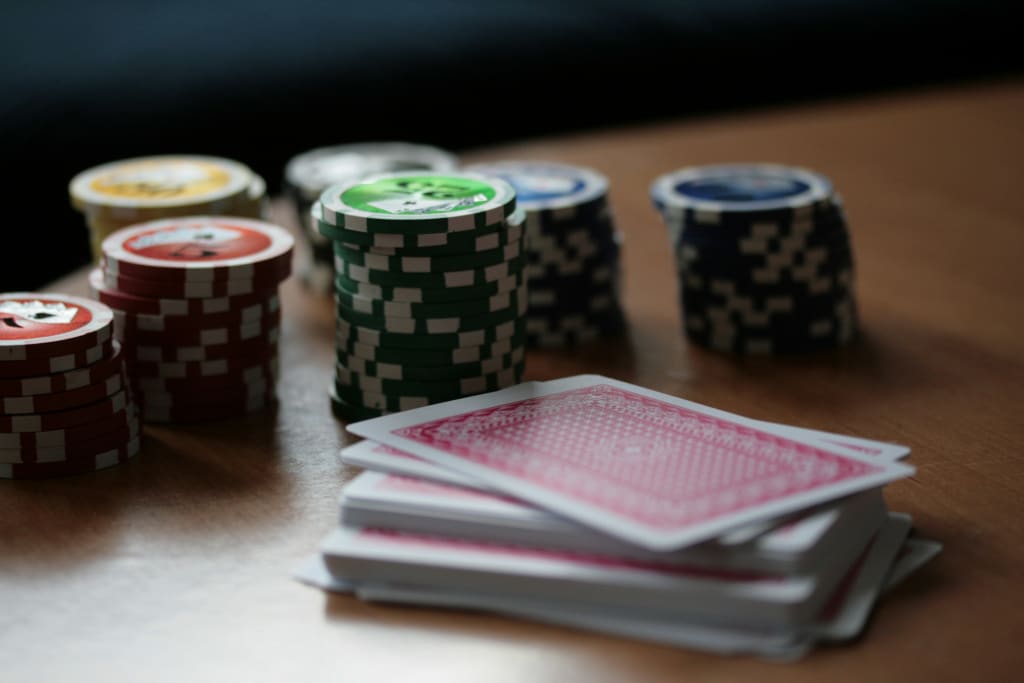
In poker, the game is not just about the cards you hold; it's also about how you manage your emotions and mindset. To succeed at the highest levels, players must develop mental toughness and psychological resilience. These qualities, often referred to as the "mental game," are crucial for navigating the inevitable ups and downs of poker. While technical skill and strategy are essential, cultivating the right mindset will set you apart from your competitors. This article explores the mental traits and psychological techniques that top poker players use to stay focused, make better decisions, and ultimately succeed.
Understanding the Importance of Mental Toughness
Mental toughness in poker refers to the ability to maintain focus, stay disciplined, and make rational decisions under pressure. A poker player's emotional resilience plays a significant role in their performance, especially during losing streaks. In poker, every hand, win or loss, is an opportunity to practice emotional control. How you react to these moments can determine your long-term success.
The mental strength required for poker is not just about handling bad beats or losses but also about staying level-headed during big wins. A rush of excitement can lead to impulsive decisions, just as frustration after a loss can cause you to tilt—making irrational plays in an attempt to recover quickly. Professional players train their minds to stay calm and collected, focusing on the long-term game rather than short-term results. By developing mental toughness, you can maintain a level of discipline that helps prevent emotional decisions from ruining your gameplay.
Learning to Control Your Emotions
One of the biggest challenges in poker is managing emotions, including, including frustration, anger, and excitement. Many players struggle with "tilt," a psychological state where emotions cloud their judgment and lead to poor decision-making. Tilt can occur after a bad beat, a losing streak, or even during moments of intense concentration. The key to avoiding tilt is to understand it, acknowledge when it's happening, and develop strategies to regain control.
Managing your emotions starts with self-awareness. Recognizing when you are feeling frustrated or anxious allows you to take a step back and reset. Many professional players use techniques such as deep breathing, meditation, or taking short breaks to calm their minds during tense moments. These strategies help avoid knee-jerk reactions and refocus attention on the game. Additionally, establishing a clear mental routine—whether it’s focusing on your breathing or using positive affirmations—can help you stay grounded and focused on the task at hand. Over time, these practices become second nature, allowing you to perform at your best, even under stressful conditions.
Developing a Long-Term Focus
Poker is not a game of instant gratification. Unlike other games where success is immediately apparent, poker is a long-term pursuit, requiring patience and strategic thinking. Developing a long-term focus is essential for overcoming the natural swings of the game. Professional players know that they will face losses and setbacks, but they stay committed to their overall goals. This long-term perspective helps them remain patient, even during losing streaks.
Having a long-term focus also means understanding that poker is a marathon, not a sprint. Every session should be seen as one piece of the larger puzzle. For instance, losing a hand or even an entire session doesn’t dictate your success in the long run. By focusing on making the best possible decisions throughout many sessions rather than worrying about immediate results, you set yourself up for lasting success. A pro player’s mentality is about making the right decisions consistently, with the understanding that some variance is inevitable.
Building Mental Resilience Through Practice
Developing a resilient mindset requires practice, just as improving technical skills does. Top poker players put in hours of mental conditioning to ensure they stay calm and focused, even when the pressure is high. Mental resilience is the ability to bounce back from setbacks and persist through challenges without losing confidence in your abilities.
The more you practice staying calm in difficult situations, the stronger your mental resilience becomes. During sessions where you’re on a losing streak or facing difficult opponents, the ability to stay confident in your game and not let frustration take over is what distinguishes professional players from amateurs. Over time, you’ll learn that losses are part of the journey and that consistency in decision-making is the real key to poker success. Developing this mindset will not only improve your poker game but also help you navigate life’s challenges with greater ease.
Managing Risk and Staying Disciplined
In poker, managing risk is just as important as making the right moves during a hand. High-risk decisions can lead to significant financial swings, and impulsive behavior can be detrimental to both your bankroll and mental state. To maintain psychological strength, you must also practice disciplined risk management. This means playing within your bankroll and avoiding the temptation to chase losses after a bad hand or session.
Staying disciplined requires a strong understanding of both your emotional triggers and your financial limits. When you stay within your risk parameters, you protect your mental health by avoiding the stress of gambling more than you can afford to lose. This mental discipline helps you stay focused on the long-term strategy and avoid being swayed by emotions or temporary setbacks. Many successful poker players set strict limits on how much of their bankroll they’re willing to risk in a given session or tournament, knowing that financial stability allows them to make better decisions.
Cultivating a Growth Mindset
A growth mindset is the belief that your skills and abilities can improve over time with dedication and effort. This mentality is vital in poker, where you will encounter situations that challenge your understanding of the game. The best players are constantly learning and evolving, seeking to refine their strategies, improve their decision-making, and address weaknesses in their play.
By adopting a growth mindset, you embrace the process of continuous improvement. This means acknowledging mistakes and using them as opportunities for growth rather than letting them discourage you. Top players constantly analyze their performance, both wins and losses, to identify areas for improvement. Rather than seeing a loss as a failure, they view it as a valuable learning experience. This positive, growth-oriented approach to the game enhances both your performance at the table and your overall psychological resilience.
The Role of Confidence in Poker
Confidence is a fundamental aspect of a successful poker mentality. A lack of confidence can lead to self-doubt, second-guessing, and missed opportunities. On the other hand, overconfidence can lead to reckless play and unnecessary risks. Striking the right balance is essential for maintaining control over your decisions and emotions.
Confidence comes from experience, but it’s also something that can be nurtured through practice and positive reinforcement. Each successful decision or well-played hand strengthens your belief in your skills, while each loss can be used as a lesson to improve. By trusting your decisions and staying confident, you not only improve your poker game but also maintain the mental fortitude to remain calm under pressure. Confidence in poker doesn’t mean never making mistakes; it means being able to handle errors and continue to move forward.
The psychological strength required to succeed in poker is just as important as the technical skills you develop. Cultivating mental toughness, emotional control, and long-term focus will help you navigate the ups and downs of the game, stay disciplined, and make better decisions. A resilient mindset allows you to handle setbacks with grace, while a growth mindset ensures that you continue to evolve and improve. With confidence and discipline, you can develop the poker mentality of a pro and succeed at the highest levels of the game.
About the Creator
Micah Raskin
Micah Raskin's commitment to social causes is particularly evident in his work with children with Autism, where he actively participates in programs to improve their quality of life.
Portfolio Website: https://micahraskin.com
Keep reading
More stories from Micah Raskin and writers in Education and other communities.
Poker Starts Here: Beginner Wisdom From the Minds of the Masters
For those new to poker, the game can feel like an unpredictable storm of luck, bold moves, and intimidating opponents. You sit at the table excitedly and hesitantly, hoping the cards fall your way. But what the professionals know—and beginners need to understand—is that poker is not a game ruled by chance. It’s a calculated battle of discipline, patience, observation, and timing. Behind every confident bet or quiet fold, there’s a thought process shaped by years of experience. Fortunately, those who have reached the top of the poker world often share what they’ve learned, and beginners can benefit significantly from their wisdom.
By Micah Raskin10 months ago in Education
Generosity Without Boundaries: Advancing Equity Through Philanthropy
Philanthropy has always played a meaningful role in shaping societies and improving the lives of individuals in need. From supporting educational programs to funding healthcare initiatives, acts of giving have helped communities overcome many challenges. In today’s diverse world, however, philanthropy is taking on a deeper purpose. It is increasingly focused on equity—ensuring that resources and opportunities are distributed fairly among people from different backgrounds and circumstances.
By John Olin Killgorea day ago in Education


Comments