
CT School Closings: Causes, Impact, and What Parents Need to Know
Exploring the reasons behind school closures in Connecticut and their effects on students, parents, and educators

Introduction
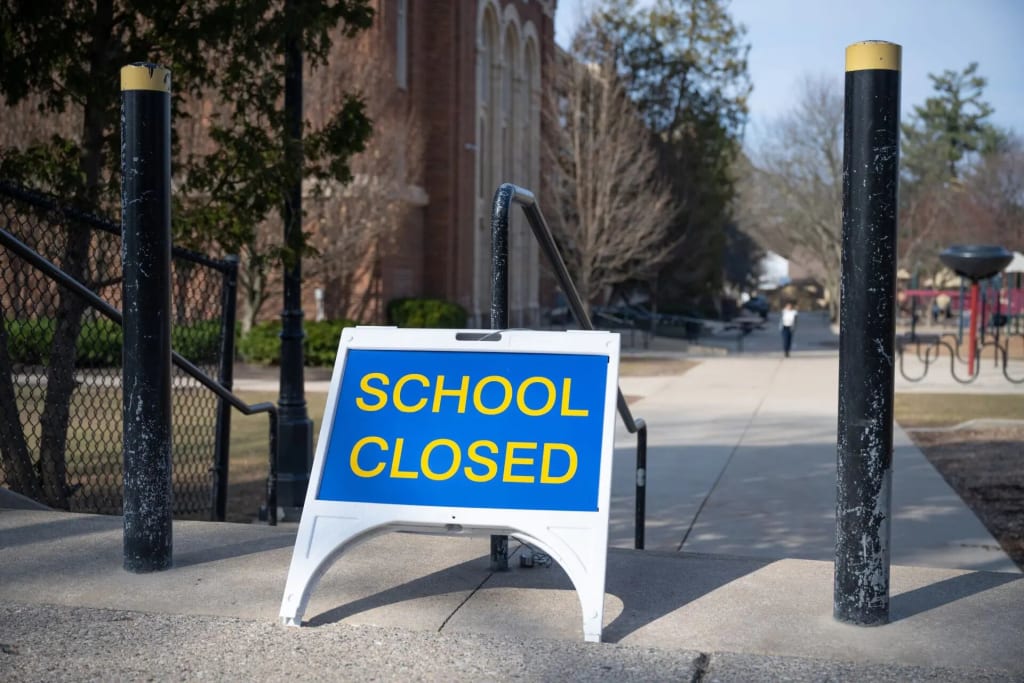
School closings in Connecticut have become a pressing issue, affecting students, parents, and educators alike. Whether due to severe weather, financial constraints, or health emergencies, these closures can disrupt learning and create logistical challenges for families. Understanding the causes, impacts, and potential solutions to school closings is crucial for communities statewide. This article delves into why schools in Connecticut close, how it affects various stakeholders, and what steps can be taken to mitigate the disruptions.
Reasons for CT School Closings
1. Weather-Related Closures
One of the most common reasons for school closings in Connecticut is severe weather. With harsh winters bringing heavy snowfall, icy roads, and freezing temperatures, schools often shut down to ensure the safety of students and staff. In some cases, power outages and structural damages caused by storms make it impossible to conduct classes. While remote learning has become an option, it does not always provide the same level of engagement and effectiveness as in-person instruction.
2. Health and Safety Concerns
The COVID-19 pandemic highlighted how quickly schools could close due to health emergencies. Even beyond COVID-19, schools sometimes shut down due to flu outbreaks, water contamination, mold, or asbestos issues. Ensuring the health and safety of students and staff is a top priority, leading administrators to take precautionary measures when necessary.
3. Budget Cuts and Financial Struggles
Many school districts in Connecticut face financial challenges that force them to close schools, consolidate resources, or reduce operations. Declining enrollment, reduced state funding, and rising costs can lead to school closures, affecting educational opportunities for students in underfunded communities. Budget constraints also impact school maintenance, teacher salaries, and extracurricular programs, further reducing the quality of education.
4. Low Student Enrollment
Demographic shifts, including declining birth rates and migration patterns, have led to lower student enrollment in some Connecticut districts. When schools do not have enough students to justify operational costs, districts may decide to merge schools or close certain facilities. This can create difficulties for families who must adjust to new school assignments, longer commutes, and unfamiliar learning environments.
5. Infrastructure Issues
Aging school buildings in Connecticut often face structural issues, including outdated heating systems, poor insulation, and inadequate facilities. If repairs and renovations are too costly, school officials may choose to close the school instead of investing in costly upgrades. In some cases, schools are closed temporarily for renovations, but prolonged closures can impact student learning and staff employment.
Impact of School Closings
1. Effects on Students
School closures disrupt students’ education, leading to learning loss, emotional stress, and social difficulties. Younger students, who thrive on routine and consistency, may struggle to adapt to remote learning or new school environments. High school students facing closures during critical academic years may experience setbacks in college preparation, extracurricular activities, and standardized testing performance.
2. Challenges for Parents
Parents are often burdened by school closures, especially when they must arrange childcare, modify work schedules, or assist with at-home learning. Many working parents lack the flexibility to accommodate sudden school closures, leading to financial and logistical stress. For single parents and low-income families, these challenges can be even more significant.
3. Strain on Teachers and Staff
Teachers and school staff also experience difficulties due to school closings. Uncertain job security, sudden shifts to remote teaching, and larger class sizes due to school consolidations can affect their ability to provide quality education. Additionally, staff layoffs or reassignments can impact morale and disrupt the overall educational environment.
4. Community Disruptions
Schools are central to many communities, serving as hubs for social events, extracurricular activities, and community services. When a school closes, it affects local businesses, transportation systems, and community engagement. Towns with multiple school closures may also see property values decline, as families prefer areas with stable and well-funded educational institutions.
Solutions and Alternatives
1. Improving Remote Learning Infrastructure
To minimize disruptions caused by weather or health emergencies, Connecticut schools must continue investing in reliable remote learning platforms. Expanding internet access, providing students with digital devices, and training teachers to effectively conduct online classes can help maintain educational continuity.
2. Increased Funding and Resource Allocation
Advocating for better school funding at the state and federal levels can prevent financial-driven school closures. Communities can work with local governments to secure funding for school improvements, teacher salaries, and student resources. Additionally, school districts can explore partnerships with private organizations to enhance educational programs.
3. Redistricting and School Mergers
Instead of outright school closures, districts can explore redistricting or merging schools to optimize resources while keeping students in physical classrooms. Thoughtful planning and community involvement are essential to ensure smooth transitions and minimal disruptions for students and staff.
4. Strengthening Community Engagement
Parents, educators, and local leaders must collaborate to find innovative solutions to prevent unnecessary school closings. Community forums, school board meetings, and advocacy groups can help voice concerns and propose alternatives. Active participation in decision-making ensures that the best interests of students remain a priority.
Conclusion
School closings in Connecticut are a complex issue with far-reaching consequences. While some closures are unavoidable due to weather, health, or financial constraints, proactive measures can help mitigate disruptions. By investing in infrastructure, increasing funding, and strengthening community involvement, Connecticut can work toward a more stable and resilient educational system. Families, educators, and policymakers must continue working together to ensure that students receive quality education, regardless of the challenges that arise.
About the Creator
Nisa Shamshair
I am a content writer and gives you information which is tranding in the world.
Keep reading
More stories from Nisa Shamshair and writers in Education and other communities.
Helen Toner: A Visionary in AI Policy and Ethics
Introduction Helen Toner has emerged as one of the most influential voices in artificial intelligence policy and ethics. As a researcher, strategist, and advocate, she has played a pivotal role in shaping the global conversation on AI governance, safety, and responsible development. Her contributions to institutions like the Center for Security and Emerging Technology (CSET) and OpenAI highlight her commitment to ensuring that AI technology serves humanity in a safe and beneficial way. This article explores her background, her work, and her impact on the rapidly evolving AI landscape.
By Nisa Shamshair12 months ago in Education
The Insurrection Act
Introduction The Insurrection Act is a law in the United States of America. It allows the President of the United States to use the military to deal with serious problems inside the country. This law is very important because it can be used when there is a rebellion, violence, or lawlessness that cannot be controlled by normal police forces. The act has been in use for many years and is sometimes a topic of debate because it gives the President significant power.
By Farhan Sayeda day ago in Education
Top 7 Life Changing Books to Read in 2026
In 2026, readers are not just looking for entertainment—they want books that change the way they think, feel, and see the world. With endless content available online, only a few books continue to stand out, remain widely read, and influence conversations across generations. These are the books people keep recommending, searching for, and returning to year after year.
By Waqar Khana day ago in Education




Comments
There are no comments for this story
Be the first to respond and start the conversation.