
CRIPSR Technology: The Sickle Cell Revolution
CRISPR and Sickle Cell
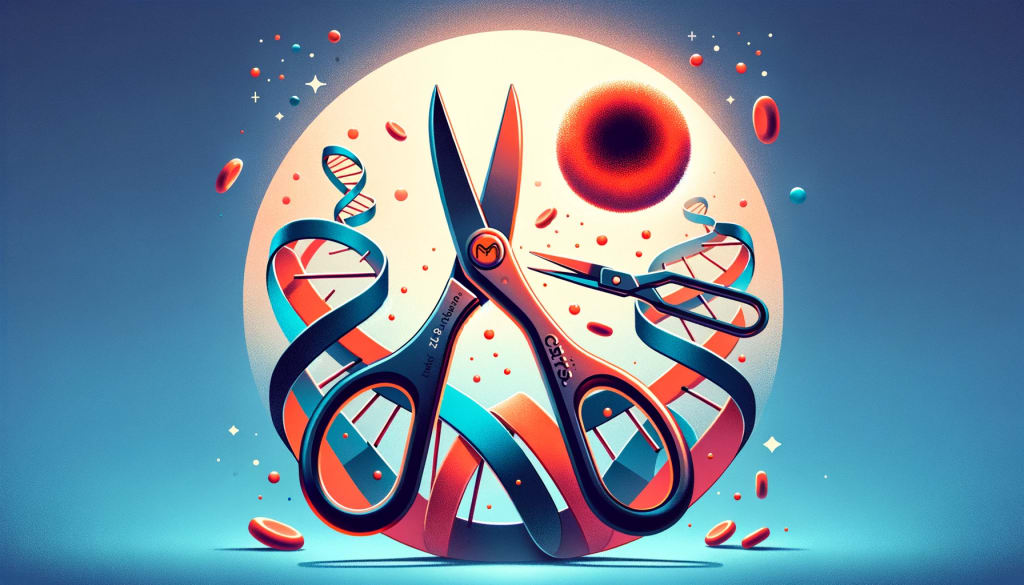
What is CRISPR?
CRISPR, or Clustered Regularly Interspaced Short Palindromic Repeats, represents a groundbreaking advancement in the realm of genetic engineering. This innovative technology has revolutionized the way scientists interact with the very building blocks of life: DNA. CRISPR functions as a highly precise set of molecular scissors, allowing for targeted editing of DNA sequences. This capability to add, remove, or alter sections of DNA is not just a scientific milestone; it's a transformational tool that has opened new avenues in medical research and treatment.
CRISPR technology is based on a natural defense mechanism found in bacteria. These microorganisms use CRISPR as a form of immune memory to defend against viral attacks. Scientists have harnessed this mechanism, adapting it to edit genes in living organisms, including humans. This adaptation has made CRISPR a cornerstone of modern genetic research, offering unprecedented opportunities in understanding and treating genetic disorders.
Understanding Sickle Cell Disease
Sickle cell disease is a hereditary condition caused by a mutation in the hemoglobin gene. Hemoglobin is a crucial protein in red blood cells, responsible for carrying oxygen throughout the body. In patients with sickle cell disease, the mutated hemoglobin causes red blood cells to deform into a sickle or crescent shape. This abnormal shape hinders the cells' ability to move smoothly through blood vessels, leading to blockages, reduced oxygen delivery, pain episodes, and potential organ damage.
The disease predominantly affects individuals of African, Mediterranean, Middle Eastern, and South Asian descent. It is a lifelong condition, often diagnosed in early childhood, and can lead to various complications like stroke, infections, and chronic pain.
CRISPR and Sickle Cell: A Therapeutic Match
CRISPR's precision allows it to target the exact location of the genetic mutation responsible for sickle cell disease. The mutation occurs in the HBB gene, which encodes the beta-globin chain of hemoglobin. By editing this gene, CRISPR can potentially correct the mutation or induce alternative pathways to mitigate the disease's effects.
The Process: From Laboratory to Patient
Step 1: Cell Harvesting and Modification
The treatment process begins with the extraction of the patient's bone marrow stem cells, which are responsible for producing new blood cells. These cells are then genetically modified using CRISPR technology in a controlled laboratory setting. The CRISPR system is programmed to identify and edit the DNA at the specific site of the HBB gene mutation. There are two primary strategies employed:
- Direct correction of the HBB gene mutation.
- Inducing the production of fetal hemoglobin, which is unaffected by the sickle cell mutation and offers an alternative method of oxygen transport.
Step 2: Reintroduction into the Patient
Following their genetic modification, these cells are reintroduced into the patient's bloodstream. The modified cells are capable of producing healthy red blood cells, which can significantly reduce or even eliminate the symptoms associated with sickle cell disease.
The Impact and Future of CRISPR in Treating Sickle Cell
The impact of CRISPR on sickle cell disease has been profound. Early clinical trials have shown that patients treated with CRISPR-modified cells experience a substantial reduction in the frequency of pain crises and hospitalizations, indicating a significant improvement in their quality of life.
The Road Ahead
The journey of CRISPR from a laboratory tool to a therapeutic intervention for sickle cell disease is filled with both promise and challenges. The technology, while powerful, is still in its nascent stages when it comes to clinical applications. There are ethical considerations, long-term safety concerns, and the need for accessible and affordable treatments to consider.
Conclusion: A New Dawn in Genetic Medicine
CRISPR stands as a beacon of hope in the field of genetic medicine. For patients with sickle cell disease, it offers a potential path to a life free from the debilitating effects of the condition. More broadly, CRISPR's ability to edit genes with precision paves the way for treating a wide array of genetic disorders. The potential of CRISPR extends beyond the realm of sickle cell disease, promising a future where genetic ailments are no longer a life sentence but a treatable condition. As research progresses, the possibilities of CRISPR in reshaping healthcare and treating previously incurable diseases are immense, ushering in a new era of medical innovation and hope.
About the Creator
Keep reading
More stories from writers in Education and other communities.
Personalization in Hospitality Marketplaces: Turning Browsers into Bookers
In today’s digital world, travelers expect more than just a list of rooms and rates when they browse hospitality marketplaces. They want experiences tailored to their preferences, timely recommendations, and a sense that the brand understands their needs. Personalization is no longer a bonus; it has become a driving factor in turning casual browsers into committed bookers. Hotels and travel brands that harness personalization effectively can increase conversion rates, strengthen loyalty, and deliver experiences that resonate long after the stay.
By Jason Nissenabout 10 hours ago in Education




Comments
There are no comments for this story
Be the first to respond and start the conversation.