
Could Excessive Thirst Indicate Kidney Problems in Dogs?
Understanding the Link Between Thirst and Canine Kidney Health
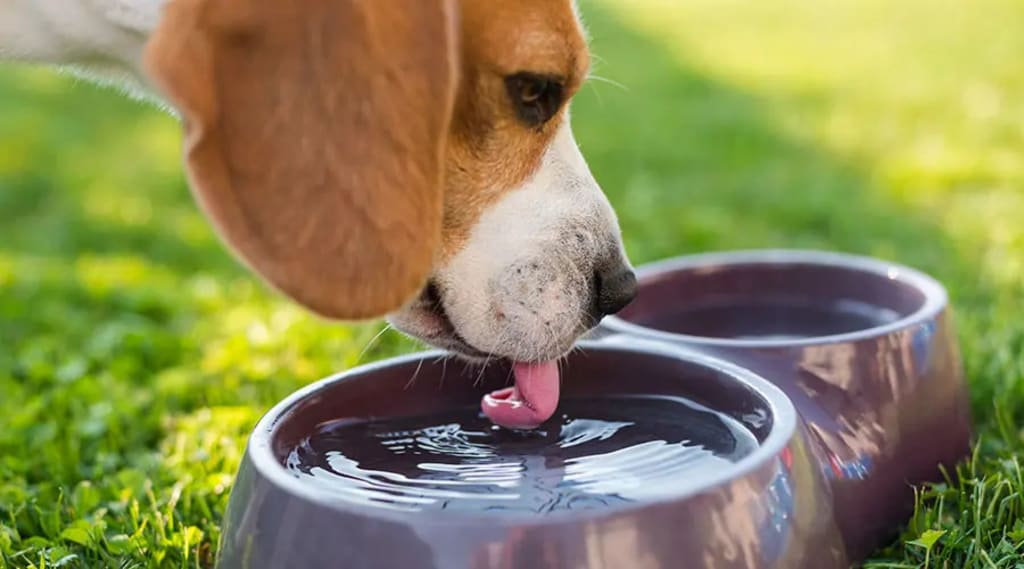
Excessive thirst in dogs can sometimes indicate serious health concerns, including potential kidney problems. While there are various causes behind increased water intake, pet owners should be aware that this can be one of the signs of kidney problems in dogs. Understanding the relationship between increased thirst and kidney issues can help you take prompt action to support your pet's well-being.
Why Do Dogs Experience Increased Thirst?
Dogs may drink more water for a variety of reasons. Normal factors such as hot weather, exercise, or dietary changes can lead to increased thirst. However, persistent excessive drinking, medically known as polydipsia, can signal an underlying condition such as kidney disease. The kidneys play a vital role in filtering toxins from the blood and maintaining fluid balance. When they are compromised, the body compensates by triggering excessive thirst to eliminate waste more effectively. Monitoring your dog's drinking habits is crucial to detecting health issues early.
Common Causes of Kidney Problems in Dogs
Kidney issues can arise from several factors, including age, genetics, and environmental influences. Some common causes include:
Chronic Kidney Disease (CKD): This progressive condition is common in older dogs and gradually impairs kidney function.
Acute Kidney Injury (AKI): Sudden kidney damage, often triggered by toxins, medications, or infections, requires immediate veterinary attention.
Infections: Bacterial infections such as leptospirosis can severely affect kidney health.
Toxins: Certain foods (like grapes), antifreeze, or household chemicals are toxic to dogs and can damage their kidneys.
Dehydration: Prolonged dehydration can strain the kidneys, potentially causing long-term harm.
Understanding these causes can help you take preventive measures to keep your dog safe and healthy.
Key Symptoms of Kidney Problems in Dogs
In addition to increased thirst, dogs with kidney problems may show various symptoms. Some common signs include:
Frequent urination: Dogs may urinate more frequently or in larger amounts than usual.
Lethargy: Kidney issues can cause your dog to become noticeably less active.
Loss of appetite: A decreased interest in food is a red flag.
Vomiting and diarrhea: Digestive upset often accompanies kidney problems.
Weight loss: Dogs may experience unexplained weight reduction.
Foul breath odor: A strong ammonia-like smell may develop as kidney function declines.
If your dog exhibits multiple symptoms alongside increased thirst, consult your veterinarian promptly.
How Vets Diagnose Kidney Issues in Dogs
When diagnosing kidney problems, veterinarians employ a variety of tests. Bloodwork and urinalysis are essential for detecting abnormal levels of waste products like creatinine and urea, which indicate kidney dysfunction. Additional diagnostic tools may include:
Ultrasound or X-rays: Imaging helps assess the size, shape, and condition of the kidneys.
Urine Culture: This test detects bacterial infections that could contribute to kidney issues.
Blood Pressure Measurement: High blood pressure often accompanies kidney disease and requires monitoring.
Early detection is key, so scheduling regular check-ups can improve treatment outcomes.
Treatment Options for Dogs with Kidney Problems
Treatment for kidney issues depends on the severity of the condition. Common strategies include:
Dietary Changes: Special renal diets with controlled protein and phosphorus levels help manage symptoms.
Medications: Drugs such as ACE inhibitors or phosphate binders may support kidney function.
Fluid Therapy: Administering fluids helps flush toxins and improve hydration.
Supplements: Omega-3 fatty acids and antioxidants can benefit kidney health.
Hospitalization for Acute Cases: In severe situations, intensive care may be required to stabilize your dog.
A personalized treatment plan developed with your veterinarian offers the best chance of improving your dog's quality of life.
How to Manage a Dog with Kidney Problems at Home
Caring for a dog with kidney issues requires attentive home management. Steps you can take include:
Encourage Water Intake: Providing fresh water at all times can prevent dehydration.
Monitor Their Diet: Follow your veterinarian's dietary recommendations to reduce kidney strain.
Track Symptoms: Regularly observe your dog's behavior, appetite, and hydration levels.
Administer Medications: Consistently provide prescribed treatments to manage your dog's condition.
Creating a stable, comfortable environment can improve your pet's well-being and help them thrive despite kidney concerns.
When to Visit a Veterinarian
If your dog shows signs of persistent increased thirst, along with symptoms such as vomiting, lethargy, or changes in urination, seek veterinary advice immediately. Timely intervention can prevent complications and enhance your dog's recovery. Veterinarians with a DVM (Doctor of Veterinary Medicine) qualification have the expertise to diagnose and treat kidney conditions effectively. Their guidance is crucial in ensuring the best care for your furry friend.
Final Thoughts
Increased thirst can be an early indicator of kidney issues in dogs, making it essential for pet owners to stay observant. While not all cases of excessive drinking point to kidney disease, combining symptom awareness with proactive veterinary care can protect your dog's long-term health. For trusted advice and treatment, always consult your veterinarian. By staying informed and responsive, you can give your pet the best possible chance at a happy, healthy life.
About the Creator
Keep reading
More stories from emilyjohnsons and writers in Education and other communities.
Why Are Commercial Cleaning Services Important for Businesses?
Successful management of a business is not solely contingent upon the provision of excellent products and the delivery of customer-friendly services. The place, the physical environment where employees work and customers visit, is very important to productivity, health, and brand reputation. Keeping a completely clean and hygienic workplace is one of the least considered aspects. It is at this point that commercial cleaning services in Melbourne have come to be very important.
By emilyjohnsons4 months ago in Education
Dr. Sam Adeyemi on Belonging, Discipline, and Restoration: Theology of Community in Christianity
Dr. Sam Adeyemi is an Atlanta-based CEO, executive coach, and author who leads Sam Adeyemi, GLC, Inc. He founded and serves as executive director of Daystar Leadership Academy, whose programs have graduated 45,000+ alumni. With a large social-media following, he delivers leadership and organizational-growth guidance to executives worldwide. Adeyemi earned a Doctorate in Strategic Leadership from Regent University and belongs to the International Leadership Association. His books include Dear Leader: Your Flagship Guide to Successful Leadership and SHIFTS. He also cofounded Daystar Christian Centre in Lagos, Nigeria, where he is Senior Pastor. He lives in Atlanta with his wife, Nike.
By Scott Douglas Jacobsen2 days ago in Education
UK Intakes: Best Intake for Indian Students UG, PG, Scholarships
Studying in the UK is one of the top choices for Indian students because of its high-quality education, globally recognised degrees, and excellent career opportunities. Every year, thousands of students apply to UK universities, but one common question remains the same:
By Olivia Barna day ago in Education



Comments (1)
Excessive thirst is usually not great! Good work! Fascinating research!