
Cosmetic Dentistry Treatments That Make Up a Smile Makeover
Comprehensive Guide to Smile Makeovers

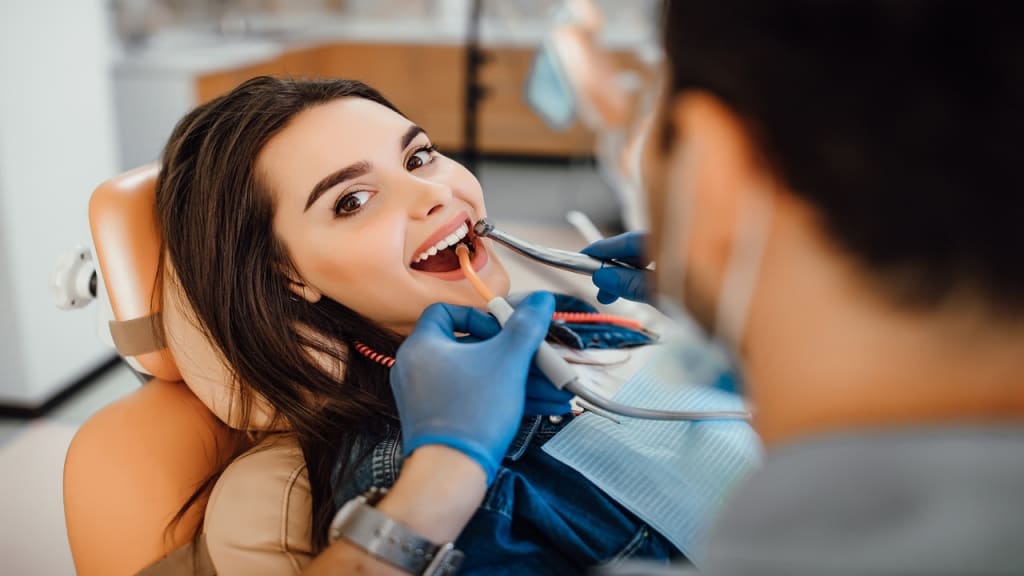
A smile makeover is more than a cosmetic upgrade—it’s a coordinated treatment plan combining multiple procedures designed to optimize both the appearance and function of your teeth. Whether the goal is to correct spacing, improve symmetry, restore tooth structure, or reshape the gum line, every component plays a defined role.
This article explores the core dental treatments that make up a comprehensive smile makeover, how they’re selected based on individual diagnostics, and what patients should ask when consulting a smile makeover dentist near them.
1. Comprehensive Smile Assessment: The Foundation of Every Smile Makeover
Every smile makeover begins with in-depth planning. Using a combination of digital impressions, facial photography, jaw tracking, and sometimes mock-ups or wax-ups, your dentist evaluates not just the teeth, but the entire lower facial framework. This includes:
- Tooth size, shape, and proportion
- Lip dynamics (resting position and smile line)
- Gum visibility and symmetry
- Jaw alignment and occlusion (bite relationship)
- Color mapping for restorative material selection
A well-executed diagnostic phase prevents over-treatment, improves long-term function, and sets realistic expectations. At this stage, your dentist will outline which treatments are necessary—and in what sequence.
2. Porcelain Veneers: For Shape, Color, and Uniformity
Porcelain veneers are a foundational tool in cosmetic dentistry. They are wafer-thin shells, custom-designed to cover the front surface of teeth, offering a dramatic transformation without extensive tooth removal.
Used to correct:
- Uneven incisal edges or worn teeth
- Intrinsic stains (e.g., tetracycline, fluorosis)
- Slight misalignments or rotated teeth
- Peg laterals or undersized teeth
- Gaps (diastemas)
Benefits:
- High stain resistance
- Natural light reflection properties
- Longevity (10–15 years with good oral hygiene)
Limitations: Not suitable for patients with bruxism unless paired with night guard/ bite guard. May not be ideal if significant enamel loss has occurred.
3. Orthodontics: Align First, Restore Second
Before placing veneers or crowns, it’s often necessary to realign the teeth to their ideal position using clear aligners (like Invisalign) or traditional braces. Pre-restorative orthodontics is frequently overlooked but can be critical for preserving natural tooth structure.
Goals:
- Leveling the incisal plane for even veneer application
- Creating symmetry in the dental midline
- Correcting crowding to allow conservative restorations
- Relieving bite pressure that could cause fractures
Treatment Time: 6 to 18 months, depending on complexity.
Skipping this step can result in more aggressive enamel reduction, which is avoidable when teeth are properly aligned beforehand.
4. Gingival Recontouring: The Frame of the Smile
Your teeth don’t exist in isolation—they’re framed by your gum tissue. Excessive or asymmetrical gums can make even healthy teeth appear short or uneven. Esthetic crown lengthening or laser gum contouring creates a balanced gumline and exposes more of the natural tooth.
Used to address:
- “Gummy smile” (excessive gingival display)
- Uneven gum heights around adjacent teeth
- Hidden tooth structure due to passive eruption
Performed using diode lasers or surgical methods, this procedure is minimally invasive and often done before placing veneers.
5. Dental Bonding: A Conservative Alternative
For patients who prefer a less invasive and more affordable approach, composite bonding can be used to correct minor flaws such as chips, small gaps, or enamel wear.
Pros:
- Single-visit treatment
- No enamel removal required
- Immediate visual improvement
Cons:
- Less stain-resistant than porcelain
- Shorter lifespan (3–7 years)
- May require touch-ups or polishing over time
Bonding is best suited for small-scale corrections, not full-arch aesthetic redesigns.
6. Teeth Whitening: Establishing the Baseline Shade
Whitening may seem simple, but it plays a strategic role in makeover planning. If restorations like veneers or crowns are part of the plan, teeth whitening is typically done first, so the final restorations can be matched to the improved shade.
In-office vs. At-home whitening:
- In-office: Offers faster, deeper bleaching using 35–40% hydrogen peroxide
- At-home trays: Use lower concentrations (10–20%) over 10–14 days
Note: Veneers, crowns, and bonding materials do not respond to whitening. This makes sequencing critical during treatment planning.
7. Full-Coverage Crowns or Onlays: When Strength Matters
If a tooth has been compromised by decay, trauma, or large restorations, a veneer may not provide enough coverage. In such cases, a ceramic crown or onlay is used to restore both strength and appearance.
These restorations can be made from lithium disilicate or zirconia, both of which offer high durability and excellent esthetics.
When to consider crowns in a smile makeover:
- Tooth has <50% natural structure remaining
- History of root canal treatment
- Cracked tooth syndrome
- Existing large fillings with marginal breakdown
8. Occlusal Adjustment and Long-Term Maintenance
An often under-discussed element of a smile makeover is bite refinement. Cosmetic improvements must be designed within the function of your natural occlusion, or the restorations may chip, fracture, or lead to jaw discomfort.
A final polish of the bite—called occlusal equilibration—ensures even contact points across teeth. Many patients are also fitted with a nightguard to prevent nocturnal grinding, which can otherwise shorten the lifespan of veneers or bonding.
Questions to Ask Your Smile Makeover Dentist
Before committing to treatment, you should ask the following to ensure the plan aligns with your goals, budget, and long-term health:
1. Do you use digital smile design or wax-ups to preview my results?
→ This helps you visualize the plan before irreversible steps are taken.
2. Will you be addressing my bite or just the visible teeth?
→ A good plan balances both function and aesthetics.
3. Are veneers or crowns being used conservatively, or is significant enamel removal involved?
→ Ask for a rationale behind each choice.
4. How long will each restoration last, and what’s the maintenance involved?
→ Understand the materials and their expected durability.
5. What lab do you work with for custom restorations?
→ High-quality labs make a huge difference in realism and fit.
6. What happens if I want to adjust something during the process?
→ Make sure revisions are possible within the timeline.
7. Do you offer post-treatment care such as polishing, whitening maintenance, or bite guards?
→ Smile maintenance is ongoing.
Your Smile Makeover Starts with the Right Plan
A smile makeover isn’t about vanity—it’s about harmonizing every element of your oral health and appearance to create a smile that feels natural, balanced, and functional. It’s not a one-size-fits-all approach, nor should it be rushed. With the right planning, materials, and expertise, a smile makeover can transform not just how you look—but how you carry yourself.
If you’re beginning your research and searching terms like “smile makeover near you” or “smile makeover dentist,” take your time. Ask questions, review cases, and most importantly—choose a provider who approaches your smile as a long-term investment, not a one-time fix.
About the Creator
Hannah Elise
Hannah Elise is a dental health writer with 12+ years of experience. With a Master’s in Public Health and coming from nursing background, she crafts patient-focused content to improve outcomes and support dental professionals.
Keep reading
More stories from Hannah Elise and writers in Education and other communities.
How Much Does a Dental Cleaning Cost in Downtown Chicago?
Walking through the streets of downtown Chicago, it’s hard to ignore the confident smiles flashing by. But behind each bright smile is likely a solid dental care routine—and at the heart of that routine is one of the simplest but most powerful tools we have: the professional dental cleaning.
By Hannah Elise8 months ago in Education
The Impact of Virtual Reality on Healthcare Innovation and Medical Practice
Virtual reality is steadily transforming the healthcare industry by offering immersive digital environments that support medical education, treatment planning, and patient care. Unlike traditional tools, VR allows healthcare professionals to interact with highly detailed simulations that replicate real medical situations. These interactive experiences provide opportunities for learning and preparation that were previously difficult to achieve through conventional training methods.
By Alex Kipman3 days ago in Education
Why the Sun Will Become a Red Giant: The Future of Our Solar System Explained
Every morning, the Sun rises as it has for billions of years, bathing Earth in light and warmth. To us, it feels permanent and unchanging. Yet in the vast timeline of the universe, the Sun is only halfway through its life.
By shahkar jalalabout 17 hours ago in Education
TUS NUA - ch 53
TUS NUA – ch 53 New Beginnings – Mia and Midnight (*)(*)(*) Finola knew Ali’s brother-in-law needed to put his mind at rest. She fed her arm through his and led him outside. “We’ll sit here. If you like, I can put a block around us so our conversation will be private.”
By Margaret Brennan6 days ago in Fiction




Comments
There are no comments for this story
Be the first to respond and start the conversation.