
Continuous-Flow Supply Chain Model Vs Agile Supply Chain Model
The Difference Between Continuous Flow Model and Agile Model
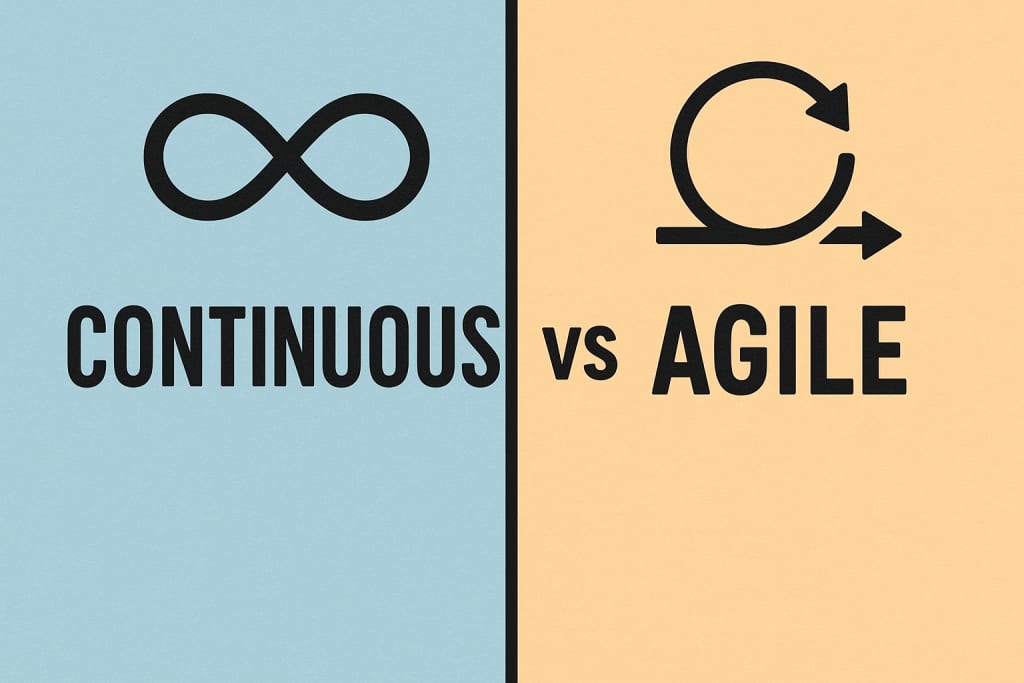
As you weigh the pros and cons of supply chain management, two distinct models stand out: the Continuous-Flow Supply Chain Model and the Agile Supply Chain Model. You're likely familiar with the former, which prioritizes efficiency, stability, and low costs - perfect for high-volume, low-variety products. But what about the latter, which emphasizes flexibility and quick response times? What sets these two models apart, and which one is right for your business?
Defining Continuous-Flow Supply Chain Model
In a continuous-flow model, you're dealing with a steady stream of goods or services that flow from one stage to the next without interruption.
This means you've got a consistent and reliable supply of raw materials, and your production line's humming along smoothly. You're not stuck waiting for batches to be completed or dealing with downtime.
Instead, you're free to focus on what matters most - delivering high-quality products that meet their needs and exceed their expectations.
Key Characteristics of Continuous-Flow Supply Chain
You're working with a supply chain that's always on the move, and that's precisely what sets continuous-flow models apart.
They're built for speed, with a relentless focus on efficiency. You'll notice a high degree of automation, which minimizes manual intervention and reduces the risk of errors.
Continuous-flow models also prioritize predictability, using data and analytics to stay one step ahead of demand. This enables you to respond to changing customer needs in real-time, giving you the freedom to adapt and innovate at will.
Understanding Agile Supply Chain Model
The agile supply chain model takes a different approach, designed to thrive in environments where change is the only constant.
You'll find it's highly adaptable and responsive to shifting customer needs.
This model empowers you to break free from rigid structures and respond quickly to emerging trends.
By embracing flexibility and uncertainty, you'll unlock the ability to innovate, experiment, and learn rapidly.
As you navigate complex and dynamic environments, the agile supply chain model becomes your trusted ally, allowing you to seize opportunities and stay ahead of the competition.
Core Principles of Agile Supply Chain Management
Agile supply chain management operates on a distinct set of core principles, guiding your every move.
You'll focus on responsiveness, and speed. You'll prioritize collaboration, working closely with suppliers and partners to drive innovation.
You'll also emphasize continuous learning, staying adaptable in a rapidly changing market.
By embracing these principles, you'll be free to respond quickly to shifting customer needs, staying ahead of the competition.
With agility, you'll break free from rigid structures, unlocking your supply chain's full potential.
Comparative Analysis of Continuous-Flow and Agile Supply Chain Models
Comparing continuous-flow and agile supply chain models is crucial for businesses seeking to optimize their operations.
You'll notice that continuous-flow models focus on efficiency, stability, and low costs, making them suitable for high-volume, low-variety products.
In contrast, agile models prioritize flexibility, adaptability, and quick response times, making them ideal for low-volume, high-variety products.
You'll need to weigh the importance of cost, speed, and customization when deciding between these models.
Choosing the Right Supply Chain Strategy for Your Business
You've weighed the pros and cons of continuous-flow and agile supply chain models, now it's time to put this knowledge into action.
Consider your business goals, industry, and customer needs. Do you prioritize efficiency, flexibility, or both?
Identify your pain points and align them with the benefits of each model. Ask yourself, can you forecast demand accurately? Do you need to adapt to changing customer preferences?
Overcoming Challenges in Implementing Supply Chain Models
Selecting the right supply chain model is only half the battle; implementing it successfully is a whole different story.
You'll face challenges like integrating new systems, training staff, and altering existing processes.
To overcome them, you need a solid plan, clear communication, and a willingness to adapt.
Identify potential roadblocks, prioritize tasks, and allocate resources accordingly.
Don't be afraid to seek external help if needed.
Stay flexible, and remember, implementing a supply chain model is a journey, not a destination.
Frequently Asked Questions
How Do I Measure the Success of a Continuous-Flow Supply Chain?
You measure supply chain success by tracking metrics like lead time, fill rate, and total supply chain cost, while also monitoring customer satisfaction and retention rates to ensure you're meeting their evolving expectations.
Can Agile Supply Chain Management Be Used in All Industries?
You're wondering if agile supply chain management can be used in all industries. The answer is yes, you can apply agile principles to manage supply chains in various industries, from tech to healthcare, and even in traditional manufacturing.
What Is the Role of Technology in Implementing Agile Supply Chains?
You're leveraging technology to create an adaptable supply chain, and it's crucial to identify the right tools and platforms that'll help you respond quickly to changes in the market, allowing you to stay ahead of the competition.
How Do I Balance Agility With Cost Control in Supply Chain Management?
You'll strike a balance between agility and cost control by prioritizing flexibility, leveraging data-driven insights, and streamlining processes, all while keeping a close eye on expenses and making adjustments as needed to stay adaptable and cost-effective.
Can a Company Have Both Agile and Continuous-Flow Supply Chains?
You can definitely have multiple supply chain models within your organization, and it's not an either-or situation; you're able to balance different approaches to suit various products, markets, or customer segments, allowing you to adapt to changing circumstances.
Conclusion
You've weighed the importance of cost, speed, and customization, and now it's time to decide. Will you prioritize efficiency and stability for high-volume, low-variety products, or flexibility and adaptability for low-volume, high-variety products? Remember, Continuous-Flow supply chain models focus on steady streams of goods, while Agile models thrive in environments of constant change. Choose the right supply chain strategy for your business, and get ready to overcome the challenges that come with implementation.
About the Creator
Taher Saifuddin: Transforming Toronto’s Classrooms with Inclusive and Future-Focused Education
In the heart of Canada’s most diverse city, Toronto educator Taher Saifuddin is quietly leading a transformation in the way learning is delivered, measured, and experienced. With over two decades of experience, Taher is recognized for his dynamic role in teaching, academic leadership, and digital innovation across Toronto’s private and independent schools.
By Dena Falken Esq2 days ago in Education



Comments
There are no comments for this story
Be the first to respond and start the conversation.