
Computers: A Journey Through Innovation and Transformation
Computer forever
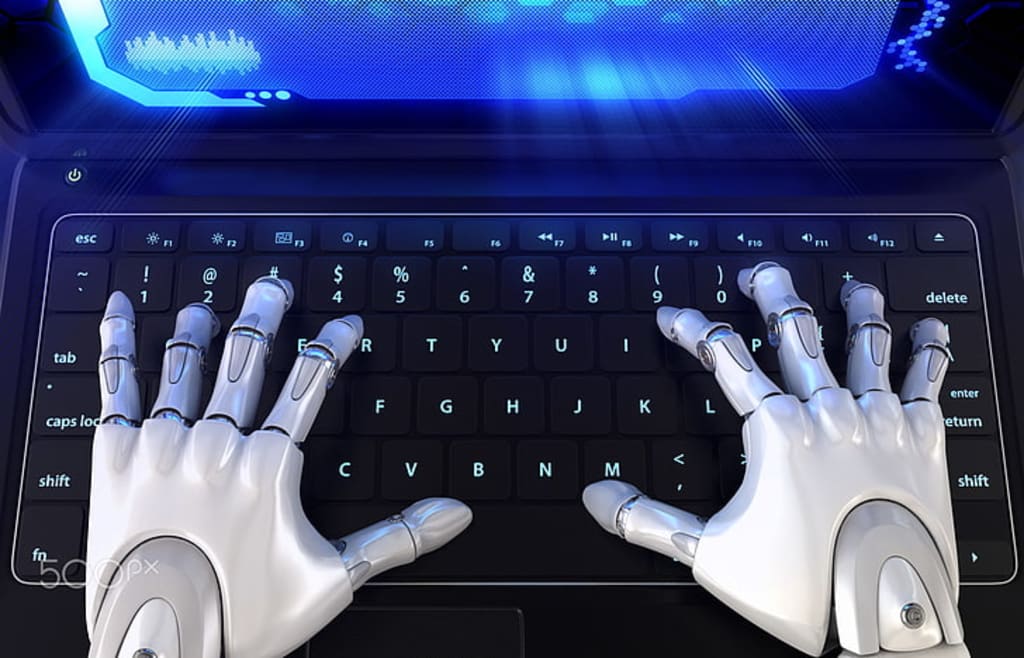
In the annals of human history, few inventions have been as transformative as the computer. From its humble origins as room-sized machines to the sleek, powerful devices that fit in our pockets, computers have revolutionized virtually every aspect of society, reshaping how we work, communicate, learn, and perceive the world.
The Birth of Computing:
The genesis of computers can be traced back to the early 20th century when visionaries like Alan Turing conceptualized the theoretical framework of computation. The invention of the electronic computer in the 1940s, exemplified by the ENIAC (Electronic Numerical Integrator and Computer), marked a pivotal moment in technological history, laying the foundation for the digital era.
Evolution of Hardware:
The evolution of computer hardware has been nothing short of extraordinary. From vacuum tubes to transistors, and later, integrated circuits, Moore's Law accurately predicted the exponential growth in computing power. This progression led to the development of microprocessors, enabling the miniaturization of computers while exponentially increasing their processing capabilities.
Software Revolution:
The symbiotic relationship between hardware and software propelled computing to new heights. The creation of programming languages, operating systems, and applications transformed computers from specialized machines to versatile tools accessible to a broader audience. Innovations like graphical user interfaces (GUIs) made computing more intuitive and user-friendly, democratizing access to technology.
Impact on Industries and Professions:
Computers have become indispensable across industries, revolutionizing fields like healthcare, finance, entertainment, education, and more. They facilitate complex simulations in scientific research, automate intricate tasks in manufacturing, enable precision in medical diagnoses, and redefine the ways businesses operate through data analytics and digital platforms.
Connectivity and the Internet:
The advent of the internet ushered in a new era of interconnectedness. The World Wide Web transformed how information is accessed, shared, and disseminated globally. Social media platforms, online commerce, cloud computing, and communication tools have shrunk the world, fostering collaboration and connectivity across continents in real-time.
Mobile Computing and Devices:
The evolution of computing extended beyond desktops and laptops to handheld devices. The proliferation of smartphones and tablets redefined personal computing, offering portability, versatility, and instant connectivity. These devices serve as hubs for communication, entertainment, productivity, and access to a myriad of applications, augmenting daily life in unprecedented ways.
Artificial Intelligence and Future Prospects:
The rise of artificial intelligence (AI) represents the next frontier in computing. Machine learning, neural networks, and deep learning algorithms empower computers to mimic human cognitive functions, enabling tasks such as natural language processing, image recognition, and predictive analytics. AI holds the promise of revolutionizing industries, healthcare, transportation, and more.
Challenges and Ethical Considerations:
With the exponential growth in computing capabilities come ethical and societal challenges. Concerns about data privacy, cybersecurity, algorithmic biases, and the ethical use of AI underscore the need for responsible innovation and regulation. Bridging the digital divide and ensuring equitable access to technology remain imperative in an increasingly interconnected world.
Conclusion:
The trajectory of computers from behemoth machines to ubiquitous devices encapsulates the relentless pursuit of innovation and progress. Their impact transcends mere tools; they have become an integral part of modern existence, shaping the way we work, communicate, create, and explore the realms of knowledge.
As we navigate a future driven by technological advancements, the story of computers serves as a testament to human ingenuity and adaptability. It underscores the profound influence of innovation in shaping our collective journey, propelling us into an era where the possibilities of computing continue to redefine the boundaries of what is achievable and imaginable.
About the Creator
Keep reading
More stories from beni Moldo and writers in Education and other communities.
The Dynamics of Healthy Relationships
Certainly! Relationships are the intricate threads that weave the tapestry of our lives, forming the essence of human connection and emotional fulfillment. Spanning a vast spectrum of forms and complexities, relationships encompass bonds with family, friends, romantic partners, colleagues, and communities. This extensive article aims to delve deep into the multifaceted nature of relationships, exploring their significance, dynamics, challenges, and the profound impact they have on our well-being and personal growth.
By beni Moldo2 years ago in Families
Smart Home Plumbing Habits That Protect Your Pipes
Owning a home brings pride and comfort. It also brings responsibility. Plumbing is one of the most critical systems in any house. Small mistakes can lead to leaks, damage, and high repair costs. This guide shares essential plumbing tips every homeowner should know. The goal is to help you avoid trouble and keep your home running smoothly.
By Lickety Split7 days ago in Education
Best Advice for Home Buying in 2026
If you're considering buying a home in 2026, this is probably the top advice you could have. Whether this is your first home or your last home or anywhere in between, some of these things might be a given, some you probably already know, but some are important for 2026. Regardless, here's the best advice for home buying in 2026.
By Tammy Eminetha day ago in Education
The Devil's Cut
“Comrade, finally you’re awake.” The voice was smooth, sensual. A flickering incandescent bar was all that lit the white, sterile room. All Vladimir remembered was everything going black. He tried to move his arms and found them strapped to the gurney.
By Matthew J. Fromm7 days ago in Fiction


Comments
There are no comments for this story
Be the first to respond and start the conversation.