
Comprehensive Guide to Keto Diet Programs: Achieve Your Health Goals with the Right Strategy
Read this article learn more..

Introduction
The keto diet has become incredibly popular. More people use it for weight loss, better energy, and health improvements. This high-fat, low-carb plan shows promising results backed by science. But not all keto programs are the same. Picking the right one for your needs makes a big difference. Knowing your goals, lifestyle, and preferences helps find a plan you can stick with long-term. This guide breaks down the main types of keto diets and gives tips to make them work best for you.
What Is a Keto Diet Program? Understanding the Basics
Definition and Core Principles
A keto diet aims to put your body into a state called ketosis. Under ketosis, your body burns fat instead of carbs for energy. The typical macro ratio for keto is about 70-80% fats, 10-20% protein, and just 5-10% carbs. This shifts your metabolism from sugar-burning to fat-burning.
There are several types of keto plans:
Standard Keto (SKD): The classic, simplest version.
Cyclical Keto (CKD): Involves carb-loading phases.
Targeted Keto (TKD): Allows carbs around workouts.
High-Protein Keto: Focuses on more protein for muscle.
How Keto Programs Differ from General Low-Carb Diets
While all low-carb diets cut carbs, keto emphasizes high fat. It pushes the body into ketosis, which isn't always the goal with other low-carb plans. Some myths say keto is dangerous or unsustainable, but that's not true if done right. It’s about balance and finding what works for you.
Popular Types of Keto Diet Programs
Standard Ketogenic Diet (SKD)
This is the most common form, with about 75% fat, 20% protein, and 5% carbs. It’s simple and easy to follow. Perfect for beginners and those wanting steady weight loss. It doesn’t require carb cycling or timing and is safe for most people.
Targeted Ketogenic Diet (TKD)
Ideal for active folks and athletes. It lets you eat small amounts of carbs right before or after workouts to boost energy. This keeps you in ketosis while supporting performance.
Cyclical Ketogenic Diet (CKD)
A more advanced plan that involves periods of high-carb intake, called "refeeds." Typically, it’s a few days of keto followed by a carb refeed. Bodybuilders and endurance athletes like this one. It requires careful planning for the best results.
High-Protein Keto Diet
This version bumps up protein intake to help maintain muscle. The ratio is about 60% fat, 35% protein, and 5% carbs. It works well for those who want to lose fat and keep muscle mass, but it may slow ketosis if too much protein is eaten.
Designing a Keto Program: Key Factors to Consider
Personal Health Goals and Needs
Your goals shape your keto plan. Want to drop pounds? Improve insulin sensitivity? Manage epilepsy? Speak with a healthcare provider first. They can help create a safe, personalized strategy.
Lifestyle and Dietary Preferences
Choose a plan that fits your routine. Think about meal prep time, food choices, and special diets. Vegetarians or those with allergies need to find substitutes. Flexibility makes sticking to keto easier.
Tracking Progress and Adjustments
Use tools like ketone test strips, apps, or blood meters. Watch for signs of ketosis, such as increased energy or reduced appetite. Make small tweaks based on how you feel and progress.
Benefits and Scientific Evidence Supporting Keto Programs
Weight Loss and Fat Burning
Many studies show keto helps shed pounds faster than low-fat diets. Real-world stories highlight success in losing stubborn fat. The diet boosts fat burn and reduces hunger, making weight control easier.
Improved Mental Clarity and Energy Levels
Ketones are a clean fuel for your brain. Many report sharper focus and mood betterment. Athletes also experience improved stamina due to more stable energy sources.
Medical and Health Benefits
Keto can help manage neurological conditions like epilepsy, as well as improve insulin sensitivity. Some studies suggest it reduces inflammation and enhances cholesterol profiles. Always ask your doctor about these benefits.
Potential Challenges and How to Overcome Them
Common Side Effects (Keto Flu, Digestive Issues)
When starting, you might feel tired, dizzy, or bloated — known as keto flu. Staying hydrated, adding electrolytes, and eating fiber-rich foods help. These symptoms usually pass within a week or two.
Maintaining Long-Term Adherence
Sustainability is key. Find appealing recipes, plan meals, and keep a variety of approved foods around. Flexibility in your plan can make a difference, especially during social events.
Monitoring and Avoiding Nutritional Deficiencies
Keto can limit some foods, so nutrient gaps may develop. Incorporate a variety of vegetables, nuts, and seeds. Consider supplements for vitamins and minerals, especially magnesium and potassium.
Implementing a Keto Diet Program Safely and Effectively
Starting Tips for Beginners
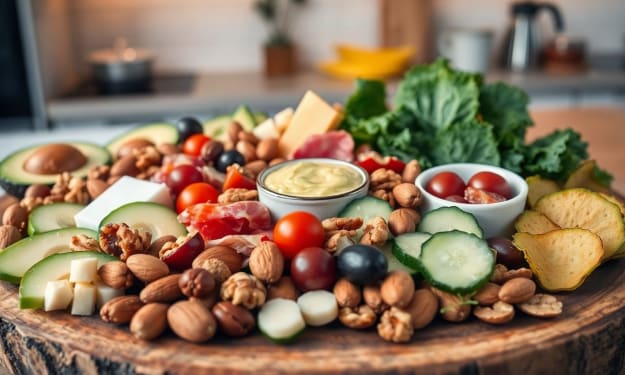
Begin by gradually reducing carbs over a week or two. Focus on healthy fats like avocado, olive oil, and nuts. Increase fiber intake to aid digestion and stay full.
Meal Planning and Recipes
Make simple meal plans, such as scrambled eggs with spinach or grilled chicken with vegetables. Eating out can be tricky — opt for salads with olive oil, and avoid sugary drinks. There are plenty of keto-friendly recipes online.
Monitoring and Adjusting Your Program
Regularly check your ketone levels and track weight and energy. Adjust your macro ratios if you're not seeing results or feeling low energy. Patience and consistency are essential.
Expert Insights and Real-World Examples
Nutrition experts agree that keto can be effective, but stress the importance of personalized plans. Many people report transformation stories, especially in weight management or health improvement. One common lesson: a plan that suits your lifestyle will likely succeed.
Conclusion
Choosing the right keto diet program depends on your personal goals, lifestyle, and preferences. A tailored approach combined with professional guidance leads to better results. Start slow, stay consistent, and listen to your body. Scientific studies back the benefits of keto, but do remember, long-term success relies on flexibility and balance. Use these insights to begin your keto journey confidently and effectively.
If you want to learn my # Comprehensive Guide to Keto Diet Programs: Achieve Your Health Goals with the Right Strategy Click here now
About the Creator
Keep reading
More stories from Sabz Ali Khan and writers in Education and other communities.
Delicious and Healthy Snacks for the Keto Diet: A Complete Guide to Staying in Ketosis
Introduction The keto diet is gaining popularity fast, and for good reason. People love it for quick weight loss and improved health. But sticking to this low-carb, high-fat plan can be tricky—especially when hunger strikes. Snacks are essential to keep your energy up and cravings in check. Picking the right snacks helps you stay in ketosis longer. This guide will walk you through the best keto-friendly snacks, tips for choosing and preparing them, and expert insights to make your snacking smarter. Understanding the Keto Diet and Snacking What is the Keto Diet? The keto diet is about eating mostly fats, some protein, and very few carbs. Usually, it’s about 70-75% fats, 20-25% protein, and only 5-10% carbs. This balance switches your body into a state called ketosis. In ketosis, your body burns fat for energy instead of carbs. When you snack the right way, it keeps you in this fat-burning zone. That’s why picking the right snacks matters so much. Why Snacks Matter on a Keto Diet Snacks stop blood sugar from climbing and then dropping. They help you avoid feeling tired or cranky. Good snacks provide steady energy and stop overeating at big meals. It’s like fueling your car regularly instead of waiting until it stalls. Proper snacking also keeps cravings away, so you won’t cheat on your diet. Common Challenges with Keto Snacks Sometimes, processed foods sneak carbs into your snacks. Many snack bars and chips hide sugars or starches. Temptation is tough, especially when cravings hit hard. Finding snacks that fit your macros takes some planning. The key is to read labels and stay disciplined. Top Keto-Friendly Snack Options Nuts and Seeds Nuts and seeds pack a punch of healthy fats and fiber. They’re perfect for quick bites and keep you full longer. Some good choices: Almonds Walnuts Chia seeds Flaxseeds Remember, portion control is important. Eating too many nuts can add excess calories, so stick to small handfuls. Cheese and Dairy Products Cheese and full-fat dairy are keto gold. They’re low in carbs but rich in fats. Try: Cheese slices String cheese sticks Greek yogurt (full-fat, plain) Pair cheese with vegetables or nuts for added flavor and variety. It’s a satisfying snack that’s easy to prepare. Meat and Seafood High-protein snacks can curb hunger fast. Opt for: Sugar-free beef jerky Canned tuna Smoked salmon Choose minimally processed options to avoid excess additives or carbs. These snacks give you energy and keep your belly happy. Low-Carb Vegetables and Dips Veggies are low in carbs but high in nutrients. Good options include: Celery Cucumbers Bell peppers Add keto-friendly dips like guacamole, whipped cream cheese, or pesto. For a crunchy, refreshing snack, try vegetable sticks dipped in savory sauces. Keto Snack Bars and Cookies You’ll find many store-bought bars, but homemade is better. Look for ingredients like nuts, seeds, coconut, and natural sweeteners. Making your own lets you control what goes in. Recipes for keto energy bars and cookies are simple and budget-friendly. Keto-Friendly Fruits Fruits are limited on keto, but some are very low in carbs. Favorite choices: Strawberries Blackberries Avocados Incorporate small servings into your meals or snacks without going over your daily carb limit. Smart Tips for Keto Snacking Reading Labels and Identifying Hidden Carbs Always check nutrition labels. Watch for sneaky sugars, starches, or fillers. Hidden carbs can kick you out of ketosis without warning. Preparing Snacks in Advance Plan ahead by making snacks at home. Batch prep like boiled eggs, cheese slices, or trail mix saves time. Store snacks in airtight containers to keep them fresh. Creative and Satisfying Snack Combinations Pair fats with proteins for lasting energy. Examples: Cheese and nuts Boiled eggs with avocado String cheese with pepperoni slices These combos are both tasty and filling. Managing Cravings and Portion Sizes Eat slowly and mindfully. Use small bowls or pre-portion snacks to avoid overeating. Don’t forget that sometimes, a glass of water helps curb hunger. Expert Insights and Real-World Examples Nutritionists agree that smart snacking makes or breaks your keto success. One dietitian says, “Focus on whole foods and avoid processed snacks, and you’re more likely to stay in ketosis.” Many people have shared success stories about planning snacks ahead, which kept them on track for the long haul. Data shows that mindful snacking can boost keto adherence and keep motivation high. Conclusion Choosing the right snacks keeps you in ketosis and makes your keto journey easier. Nuts, cheese, meats, vegetables, and homemade treats provide variety and flavor. Always read labels, prep snacks in advance, and stay aware of portion sizes. These simple steps help you enjoy snacking without breaking your diet. Incorporate these tips, and you'll find staying in ketosis more manageable, leading to better health and weight goals.
By Sabz Ali Khan10 months ago in Education
How to Balance Internal & External Port Loads on a Fibre Channel Network Switch
Modern data centers depend on steady storage performance every hour of the day. As your workloads grow your storage traffic also grows and that traffic must move smoothly across your switching layer.
By Harry Cmaryabout 5 hours ago in Education
Why Environmental Compliance Is Becoming a Business Priority for Companies in Dubai
Dubai continues to grow at a remarkable pace. Industrial zones expand, construction projects reshape the skyline, and logistics networks move goods through ports and airports every day. This growth creates strong economic opportunities, but it also increases environmental pressure across the city.
By Umar Quality Jounal7 days ago in Education


Comments
There are no comments for this story
Be the first to respond and start the conversation.