
Comprehensive Guide to Buying Shipping Containers for Sale
Comprehensive Guide to Buying Shipping Containers for Sale
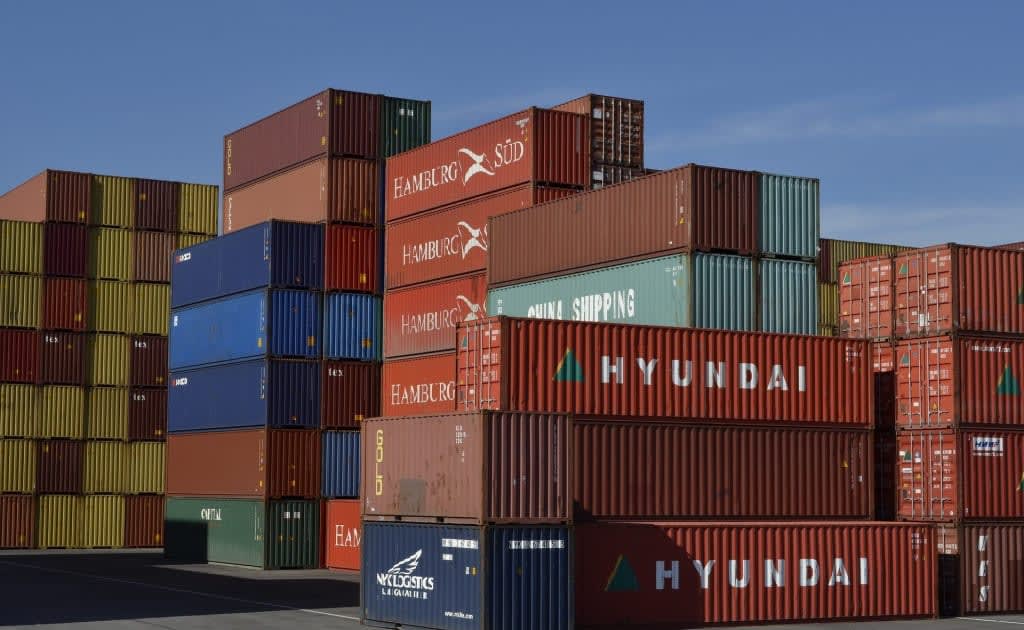
Shipping containers, also known as conex boxes or cargo containers, are versatile steel structures originally designed for global freight transport. Today, they’re popular for on-site storage, shipping goods, building homes, offices, pop-up shops, workshops, and even urban farms. With the market stabilizing in 2025 after previous fluctuations, buying a container is a smart, durable investment—built from corrosion-resistant Corten steel and lasting 20+ years with proper care.
This guide covers everything you need: types, sizes, prices, conditions, pros/cons of new vs. used, buying tips, and where to purchase.
Common Sizes and Dimensions
Most containers are 8 feet wide. Standard height is 8’6”, while High Cube (HC) versions add an extra foot (9’6”) for more volume.
Comparison of 20ft and 40ft containers, including internal dimensions and capacity.
• 20ft Standard: ~20’ long, holds 10-11 pallets, ideal for smaller storage or half a house move.
• 20ft High Cube: Extra height for taller items.
• 40ft Standard: ~40’ long, holds 20-22 pallets, popular for large storage or shipping.
• 40ft High Cube: Most common for modifications due to extra space—great for homes or offices.
Less common: 10ft (cut-downs), 45ft, or specialty like refrigerated (reefers) or open-top.
Current Prices in 2025
Prices vary by location (cheaper near ports like LA, Houston, NY), condition, and market factors like steel costs. As of late 2025, averages (excluding delivery/taxes):
New vs. Used Containers: Pros and Cons
New (One-Trip): Made one ocean trip, nearly pristine.
Pros:
• Excellent condition—no dents, rust, or wear.
• Longer lifespan (20-30+ years).
• Easier modifications (flat walls for insulation/windows).
• Better aesthetics for homes/offices.
Cons:
• Higher cost.
• Limited availability in some areas.
Used:
Pros:
• 30-50% cheaper.
• Readily available.
• Environmentally friendly (reuse reduces waste).
• Still durable for storage/shipping.
Cons:
• Cosmetic issues: dents, rust, faded paint.
• Possible repairs needed (floors, seals).
• Potential contaminants from prior cargo (clean thoroughly).
• Shorter remaining life (10-20 years).
For basic storage: go used. For container homes or visible projects: new often worth it.
Container Conditions and Grades
• One-Trip/New → Pristine.
• Cargo Worthy (CWCC) → Certified for international shipping, structurally sound.
• Wind & Watertight (WWT) → Weatherproof, great for storage.
• As-Is → Cheapest, may need repairs—best for scrap or advanced DIY.
Always inspect or buy from reputable sellers with guarantees.
Popular Uses
• Secure on-site storage (tools, equipment, vehicles).
• Shipping goods domestically/internationally.
• Converted structures: homes, offices, cafes, farms.
• Temporary spaces: job sites, events.
Buying Tips for 2025
1. Determine needs → Size, condition, purpose.
2. Get quotes from multiple sources → Compare total costs (including delivery).
3. Inspect in person → Check for rust, doors, floors, leaks.
4. Buy near ports/depots for savings.
5. Consider modifications → Doors, windows, insulation—many sellers offer them.
6. Verify CSC plate → For shipping legality.
7. Prepare site → Level ground, access for tilt-bed truck.
8. Avoid scams → Use established dealers, not shady Craigslist listings.
9. Check local regulations → Permits for homes/placement.
Where to Buy
• Online platforms → Container xChange, Boxhub, Container One (instant quotes, nationwide).
• Specialty dealers → Conexwest, Aztec Container, Pelican Containers.
• Local depots → Search “shipping containers for sale near me” or near major ports.
• Marketplaces → eBay/Craigslist (cheaper but riskier).
Reputable sellers offer warranties, transparent pricing, and delivery.
Final Thoughts
Buying a shipping container in 2025 is an affordable way to gain secure, modular space. Whether for storage, shipping, or a creative build, focus on condition and total cost. Start with local quotes, inspect thoroughly, and choose a trusted supplier. With the right container, you’ll have a versatile asset for years.
About the Creator
Keep reading
More stories from Dwayne Lindsay and writers in Education and other communities.
Mental Health & Anxiety: Legal Ways to Seek Help and Treatment Options
In today's fast-paced world, mental health issues like anxiety are becoming increasingly common. The World Health Organization(WHO) states that one in four people in the world will be affected by mental or neurological disorders at some point in their lives. Therefore, it's crucial to understand the various legal ways to seek help and explore potential treatment options.
By Dwayne Lindsay28 days ago in Education
What It Really Takes to Get a Wikipedia Page Approved in 2026
These days, Wikipedia isn't like the one some folks recall. Back then, an okay article often made it through with just small tweaks. Now things feel tighter, more intense. Every day brings thousands of fresh entries. Most vanish fast, blocked before they stick around. Getting turned down used to be rare. Lately, that's just how it goes.
By Hillshire Media4 days ago in Education


Comments
There are no comments for this story
Be the first to respond and start the conversation.