
Comprehensive Guide on Capacitor Bank Installation, Testing, and Maintenance
Installation techniques for capacitor banks
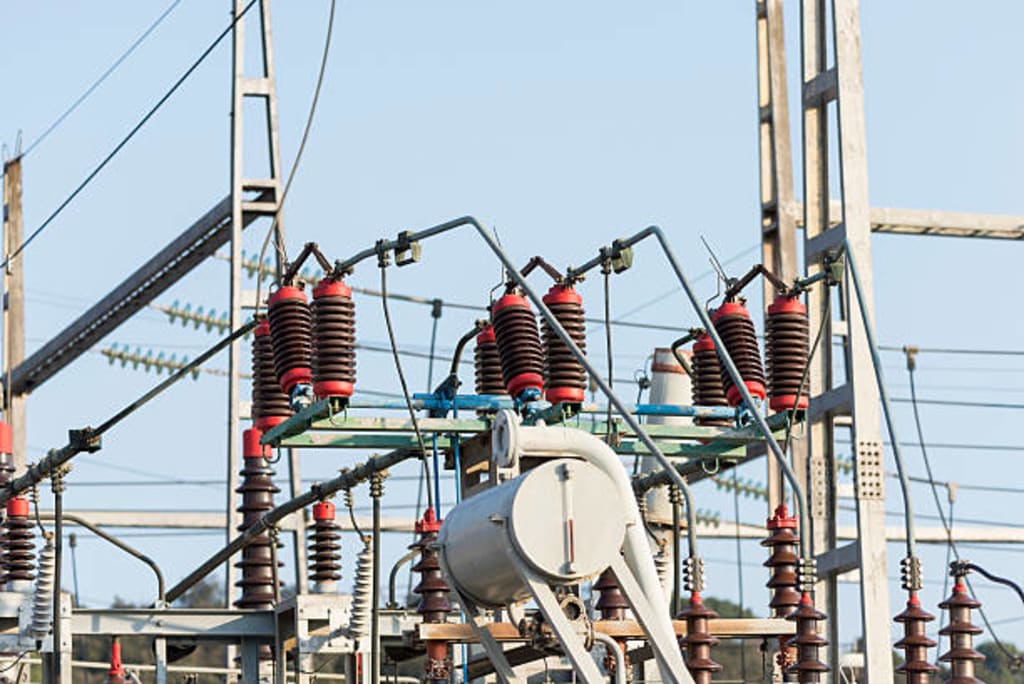
The following steps are part of the capacitor bank installation methods and procedures:
Planning: Based on the demands of the electrical system, local laws and regulations, and manufacturer recommendations, choose the placement and size of the capacitor bank.
Equipment procurement: Obtain the required hardware, such as the capacitors, shields, containers, and wire supplies.
Installation: Install the necessary safety precautions, mount the capacitors in the proper container, and connect each capacitor's positive terminal to a common bus bar and its negative terminal to another common bus bar.
Wiring: Use the correct size conductors to connect the capacitor bank to the electrical system, and make sure the connections are safe, and the capacitor bank is grounded properly.
Commissioning: Gradually raise the voltage to the recommended level, check that the capacitor bank is functioning as it should, and make any necessary corrections.
When installing a capacitor bank, it's crucial to adhere to local codes and regulations as well as manufacturer recommendations. Poor installation can lead to performance degradation and safety risks. A trained electrician should also be hired to install a capacitor bank in order to ensure appropriate installation and adherence to local norms and regulations.
Circuitry and connections for Capacitor Banks
An electrical system's power factor can be increased by using a capacitor bank, a device for storing electrical energy. The general procedures for wiring and connecting a capacitor bank are as follows:
Based on the system's voltage, current, and capacity requirements, choose the right capacitors.
Make sure the connections are tight, and mount the capacitors in the proper enclosure.
Connect the positive terminal of each capacitor to the system's positive terminal through a common bus bar.
Each capacitor's negative terminal should be connected to a different common bus bar that is connected to the system's negative terminal.
Install the proper safeguards, such as circuit breakers or fuses, to safeguard the capacitor bank and the system from overcurrent.
Utilize conductors of the proper size to connect the capacitor bank to the system.
Check to make sure the connections are solid, and the capacitor bank is grounded properly.
By progressively raising the voltage to the specified level, you may commission the capacitor bank and make sure everything is working as it should.
When installing a capacitor bank, it's crucial to adhere to local codes and regulations as well as manufacturer recommendations. Poor installation can lead to performance degradation and safety risks.
Correction of the power factor using Capacitor Banks
Power factor correction (PFC) is the process of enhancing an electrical system's power factor by incorporating capacitors into the circuit. Reactive power and energy storage are provided by capacitor banks, which help to raise the power factor.
In a typical electrical system, some of the power is consumed as reactive power, which is used to support the magnetic fields in motors, transformers, and other inductive loads, and some of the power is consumed as real power, which is used to perform useful work. Reactive power increases the amount of current flowing through the system without performing any useful work, which increases losses and decreases efficiency.
A capacitor bank can be added to the circuit to lower the system's reactive power requirements, improving power factor and decreasing current flow. This may result in increased productivity, lower energy bills, and better voltage stability.
The magnitude of the reactive power demand and the desired power factor determines the size of the capacitor bank required to correct the power factor. Determining the current and voltage waveform, calculating the apparent power and reactive power, and then figuring out the size of the capacitor bank required to achieve the desired power factor are all steps in the process of choosing the right size of the capacitor bank.
When installing a capacitor bank for power factor correction, it's crucial to adhere to local codes and regulations as well as the manufacturer's recommendations. Poor installation can lead to performance degradation and safety risks. Keep reading.
About the Creator
Keep reading
More stories from carlo wilson and writers in Education and other communities.
The Comfort of Arrival: Why Certain Destinations Instantly Feel Familiar
There are moments in travel that defy logic. You arrive in a place you have never visited before, step onto its streets, breathe in its air, and suddenly feel at ease. There is no adjustment period, no sense of being out of place. Instead, there is a quiet recognition, as if the destination has been waiting for you. This feeling of instant belonging is not accidental, nor is it purely romantic imagination. It is the result of emotional, cultural, psychological, and environmental factors working together to create a sense of home far from home.
By Producer James Simon6 days ago in Education
The Proven Natural Skincare Secret with Healthy Skin
Healthy skin does not come from harsh products or complicated routines. It comes from working with nature, not against it. The natural skincare secret that many people overlook is the power of raw honey as a daily skin ally. This simple ingredient has been used for generations, yet many still do not understand its effectiveness. When used correctly, raw honey can change how your skin looks and feels.
By Kelln Small6 days ago in Education


Comments
There are no comments for this story
Be the first to respond and start the conversation.