
Complete Guide on Early Years Foundation Stage
The Early Years Foundation Stage (EYFS) is a vital framework in the United Kingdom designed to support the learning, development, and welfare of children from birth to five years old.
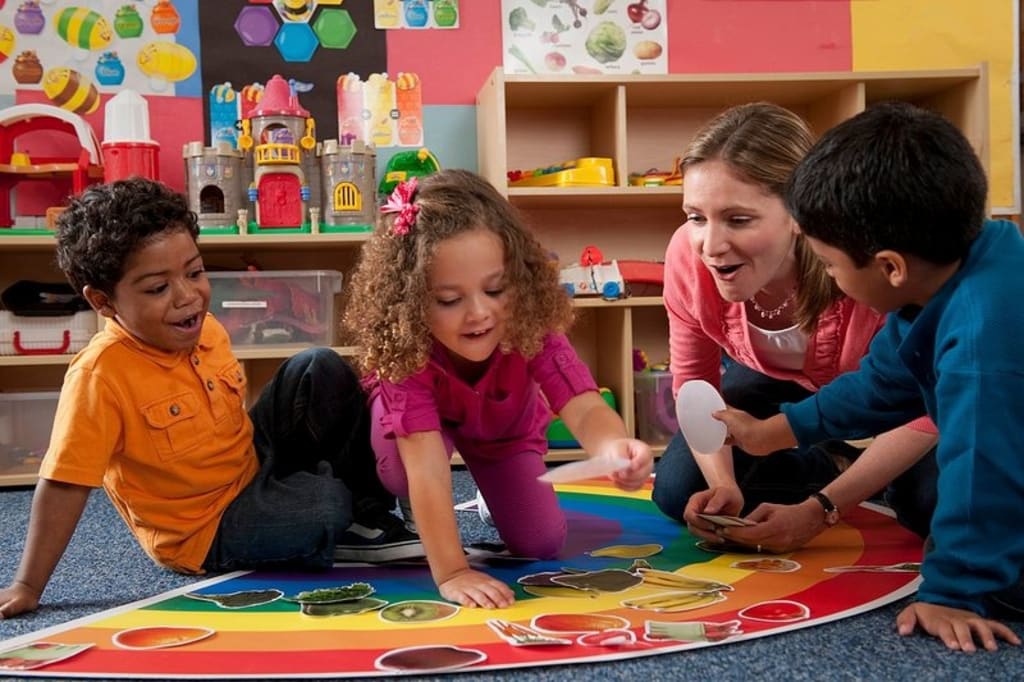
Established to provide a comprehensive guide for early years providers, parents, and educators, the EYFS ensures every child receives the best possible start in life and the support they need to fulfill their potential.
Understanding the Early Years Foundation Stage
Introduced as a statutory framework, the Early Years Foundation Stage sets the standards for learning, development, and care for children in early years settings. It applies to all registered early years providers, including nurseries, pre-schools, childminders, and reception classes in primary schools.
The EYFS framework emphasizes a holistic approach to child development, ensuring that physical, emotional, social, and cognitive growth are nurtured simultaneously. It is underpinned by four guiding principles:
- A Unique Child: Every child is unique and constantly learning, capable of being resilient, capable, and self-assured.
- Positive Relationships: Children learn to be strong and independent through positive relationships.
- Enabling Environments: Children thrive in environments that cater to their individual needs and provide rich learning opportunities.
- Learning and Development: Each child develops at their own pace, and the framework supports personalized learning approaches.
Areas of Learning and Development
The Early Years Foundation Stage framework is structured around seven key areas of learning and development. These areas are divided into two categories: prime areas and specific areas.
Prime Areas
The prime areas lay the foundation for children’s future learning and development. They include:
- Communication and Language: Encouraging children to develop their speaking, listening, and understanding skills.
- Physical Development: Fostering fine and gross motor skills, health awareness, and physical well-being.
- Personal, Social, and Emotional Development: Helping children build confidence, manage emotions, and develop positive relationships.
Specific Areas
The specific areas provide a focus on essential skills and knowledge for children. They include:
- Literacy: Introducing reading and writing skills through storytelling, phonics, and early writing experiences.
- Mathematics: Developing numerical and problem-solving abilities, including counting, understanding shapes, and recognizing patterns.
- Understanding the World: Helping children explore the environment, people, technology, and the natural world.
- Expressive Arts and Design: Encouraging creativity through art, music, dance, role play, and imaginative activities.
The Role of Practitioners in EYFS
Practitioners play a crucial role in implementing the Early Years Foundation Stage framework. Their responsibilities include creating a safe and stimulating environment, planning activities that meet individual learning needs, and observing children’s progress to inform future planning.
Observation and assessment are integral parts of the EYFS. Practitioners use a variety of tools, such as the Early Years Outcomes and Development Matters, to monitor and record children’s progress. Regular communication with parents and caregivers is also essential to ensure consistency between home and the early years setting.
The Importance of Play in EYFS
Play is a fundamental aspect of the Early Years Foundation Stage. It serves as a natural medium for children to explore, learn, and make sense of the world around them. The framework recognizes different types of play, including:
- Free Play: Child-initiated activities that allow for creativity and independence.
- Structured Play: Adult-led activities designed to introduce specific skills or concepts.
- Outdoor Play: Activities that take place outside, promoting physical health and connection with nature.
Through play, children develop essential skills such as problem-solving, communication, and teamwork. It also supports their emotional well-being by providing opportunities for self-expression and stress relief.
Safeguarding and Welfare Requirements
A critical component of the Early Years Foundation Stage is the safeguarding and welfare requirements. These guidelines ensure that children’s safety and well-being are prioritized in all early years settings. Key aspects include:
- Health and Safety: Maintaining clean and safe environments, promoting hygiene, and managing risks effectively.
- Child Protection: Ensuring all staff are trained to recognize and respond to signs of abuse or neglect.
- Staff Qualifications: Requiring practitioners to have appropriate qualifications and ongoing professional development.
- Ratios and Supervision: Maintaining suitable staff-to-child ratios to ensure effective supervision.
The EYFS Profile
At the end of the Early Years Foundation Stage, children’s progress is summarized in an EYFS Profile. This assessment provides a comprehensive overview of their development and readiness for the next stage of education. Practitioners assess children against 17 early learning goals, covering the seven areas of learning and development.
The profile is shared with parents and the child’s future teacher to ensure a smooth transition to Key Stage 1. It highlights the child’s strengths, areas for improvement, and any additional support they may need.
Benefits of the Early Years Foundation Stage
The Early Years Foundation Stage offers numerous benefits for children, parents, and practitioners. Some of these include:
- Holistic Development: By addressing all aspects of a child’s growth, the framework ensures balanced development.
- Equality and Inclusion: EYFS promotes inclusive practices, ensuring all children, regardless of background or ability, have equal opportunities.
- Parent Involvement: The framework encourages active participation from parents, strengthening the partnership between home and early years settings.
- School Readiness: By focusing on key areas of learning, the EYFS prepares children for a smooth transition to formal education.
Challenges in Implementing EYFS
While the Early Years Foundation Stage is a robust framework, its implementation is not without challenges. Common issues faced by practitioners include:
- Resource Limitations: Many settings struggle with limited funding and resources, affecting the quality of care and learning opportunities.
- Workload and Paperwork: Practitioners often find the documentation and assessment requirements overwhelming.
- Training Needs: Ensuring all staff are adequately trained and confident in delivering the EYFS can be challenging.
- Balancing Needs: Catering to the diverse needs of children while meeting statutory requirements requires skill and careful planning.
Conclusion
The Early Years Foundation Stage is a cornerstone of early childhood education in the UK, providing a structured yet flexible approach to nurturing children’s development. By focusing on the whole child and fostering strong partnerships with parents and caregivers, the EYFS creates a supportive foundation for lifelong learning and well-being. Despite the challenges, its implementation remains critical in ensuring every child has the opportunity to thrive and achieve their full potential.
About the Creator
Keep reading
More stories from Avneet Singh and writers in Education and other communities.
Things to Do in Bangkok: The Ultimate Guide to Exploring the City
From grand temples and palaces to shopping malls and lively street markets, Bangkok is an endless adventure for all types of travelers. Whether you're traveling solo, with family, or with a partner, the city offers a plethora of exciting activities in Bangkok. This guide will introduce you to the best things to do in Bangkok for family and things to do in Bangkok for couples.
By Avneet Singhabout a year ago in Wander
Strategy Before Software: Why Content Strategy Matters More Than Platform Technology
A strong content strategy matters more than platform technology because strategy shapes every choice a team makes. It guides tone, purpose, structure, and audience focus. Technology can help with speed and reach, but it cannot replace direction. A tool only works well when someone uses it with a clear plan. Without a strategy, even the best systems fail to connect with real people.
By James Kaminsky3 days ago in Education
AI in K-12 Education Market to Reach USD 9,178.5 Mn by 2034
The global AI in K-12 education market is witnessing rapid expansion as schools adopt artificial intelligence technologies to improve teaching methods and learning outcomes. The market is projected to grow from USD 391.2 million in 2024 to approximately USD 9,178.5 million by 2034, reflecting a strong 37.1% CAGR during the forecast period. Artificial intelligence is increasingly being integrated into digital classrooms, enabling personalized instruction, automated assessments, and data driven learning insights.
By Roberto Crum8 days ago in Education




Comments (1)
Foundation years are interesting! Great work!