
CINEMATOGRAPHY
for aspiring Cinematographers & Film Makers

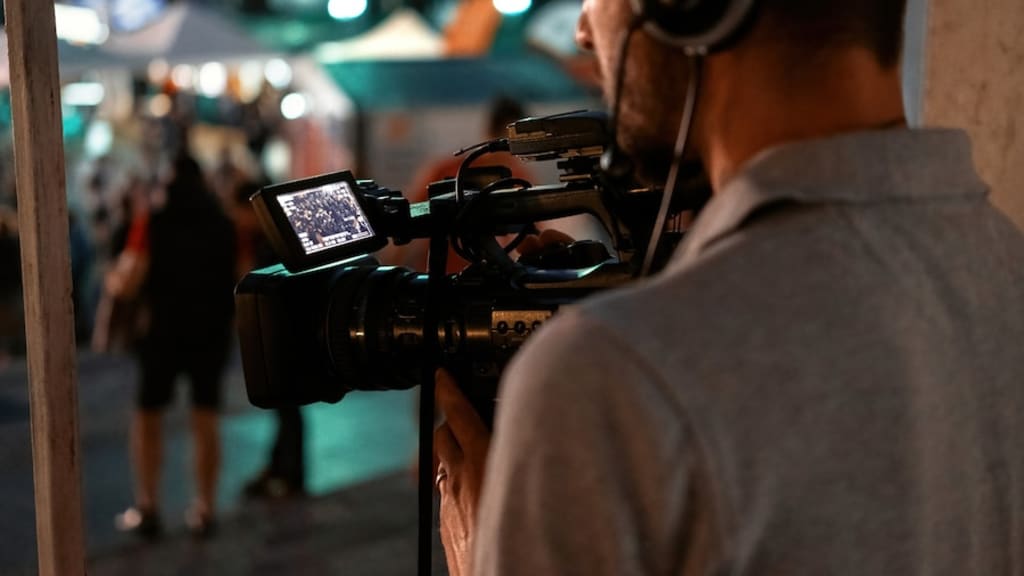
cinematography
Cinematography is the art of capturing motion pictures on film or digital media through the manipulation of lighting, camera angle, and shots. It brings an extra depth to a movie and can draw the viewer in, making them feel part of the story. In this blog post, we will be exploring the basics of cinematography; the different types of lighting and camera angles, and how to create visually stunning shots. We will also provide tips on how to best capture the emotion and story of your project. Whether you are a beginner or a professional, we hope this blog post will give you the tools and knowledge to tell your story through beautiful cinematography.
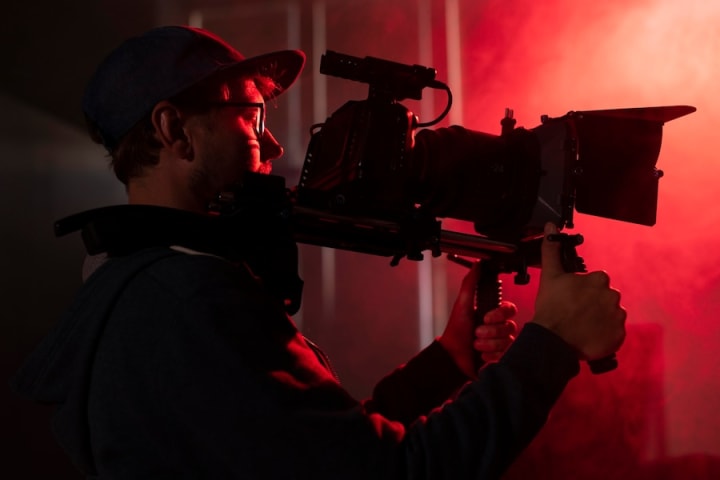
Cinematography basics are essential for anyone just starting out in the industry. Cinematography is an art that requires a lot of skill and knowledge in order to capture beautiful shots and create a successful film. In cinematography, the cinematographer is the one who is responsible for almost all visual aspects of a movie, from the framing of shots, to the lighting, and to the overall composition of the scene.
When it comes to the basics of cinematography, the following topics must be understood:
• Framing: Framing is the positioning of the camera and the objects in the scene to create a particular composition. This includes factors such as the camera angle, the distance between the camera and the objects, and the way the objects are arranged in the frame. This is important to create a visually pleasing image and help the audience to understand the scenes.
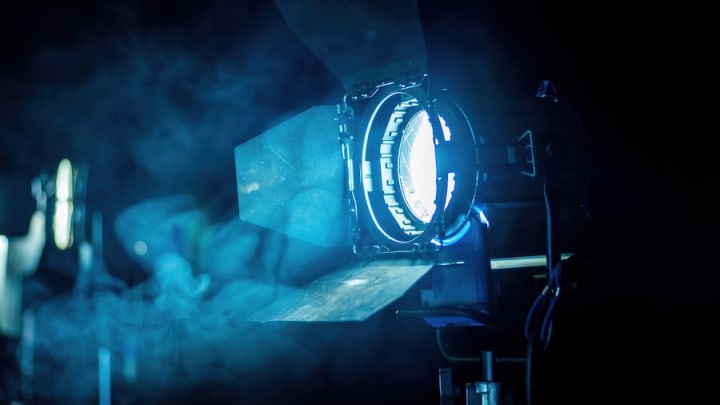
• Lighting: Lighting is another important element in cinematography. The right lighting can help to bring out the best elements in a scene and create a certain mood. Light also helps to bring depth, texture and colour to the image, which can make all the difference in a film.
Cinematography has been an essential part of film production since its invention in the late 19th century. It involves the use of cameras, lenses, lighting, and other equipment to capture the images seen in a movie or video. It’s important for filmmakers to develop an understanding of cinematography in order to create high-quality images.
For those with intermediate knowledge of cinematography, there are many things to explore. Many of the most impressive images seen in films are created by using lighting to create depth and texture. By understanding the basics of lighting, such as three-point lighting, filmmakers can enhance their images and create a more visually appealing film.
Additionally, filmmakers should learn about the various types of lenses that are available for use. Different lenses can be used to capture different aspects of a scene, such as a wide-angled lens for a sweeping landscape shot or a telephoto lens for a tight close-up. Understanding the differences between these lenses and how they can be used to capture different images will help filmmakers create more dynamic images.
Finally, filmmakers should learn how to use different camera movements to create a more engaging film. By understanding tracking shots, pans, and zooms, filmmakers can create a more dynamic visual experience for their viewers.
The art of cinematography is something that few people master. An expert in cinematography knows all the nuances of composition, lighting and movement to create a visually captivating experience.
The cinematographer's job is to take the director's vision and bring it to life on screen. Whether it's creating a sense of atmosphere, heightening suspense or creating a visual masterpiece, the cinematographer's artistry is essential in filmmaking.
to become an expert in cinematography, you must understand the language and mechanics of the craft, such as camera movement, shot composition, lighting, and color. You must also understand the psychology of the audience to create emotionally resonant scenes.
It takes years of practice and dedication to master the art of cinematography. Aspiring cinematographers should take courses in the craft, watch films and attend workshops to gain a better understanding of the art form. With hard work and dedication, an aspiring cinematographer can become an expert in this exciting field.
About the Creator
Vishwa J
aspiring FILM MAKER.
Why Mississippi Small Businesses Are Finally Taking Their Websites Seriously
For many years, having a website in Mississippi was more about appearance than performance. It was something businesses created simply so they could say they had an online presence. A basic page with a phone number, a short description, and maybe a photo was often considered enough.
By Jhones Benn3 days ago in Education
The Forsyth House Fire
Since 1851, Forsyth House has stood on the corner of Union Street and Gordon Street in the heart of Glasgow. Its iconic, or was... because on Sunday 8th of March, 2026, a fire broke out in a small, seemingly un-named shop in the building and tore all that history down. As I write, the rubble is still unsettled and the street is still blocked off. Central Station is quiet on the upper level, and around 30 small businesses have quite literally gone up in smoke.
By S. A. Crawford3 days ago in The Swamp




Comments
There are no comments for this story
Be the first to respond and start the conversation.