
China’s Historic Retirement Age Increase: A Response to an Aging Population
China’s Historic

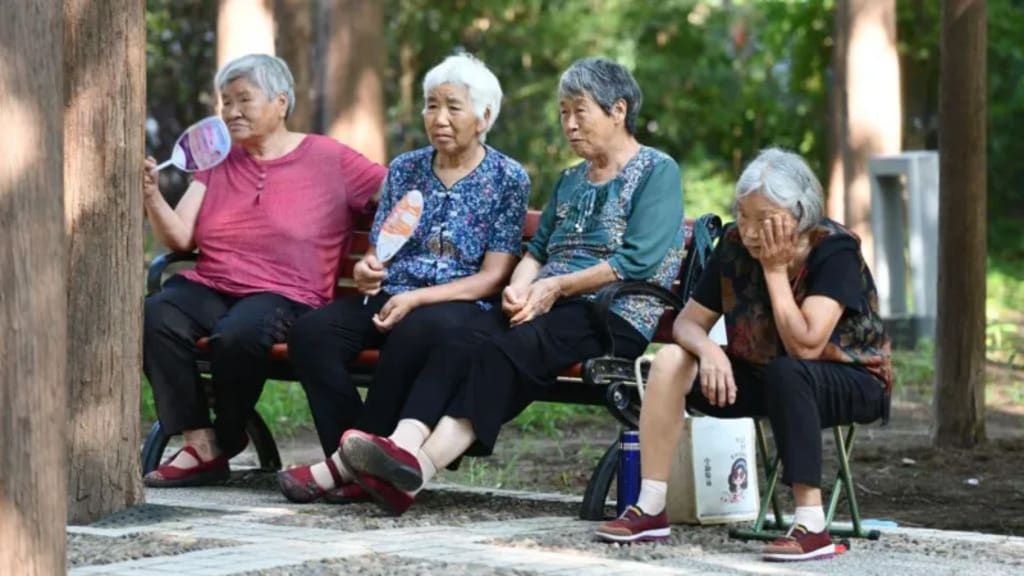
For the first time in over six decades, China is set to raise its retirement age. This change comes as the country grapples with an aging population and a struggling pension system. The new policy, approved by China’s top legislative body, will gradually increase the retirement age starting January 1, 2025. The adjustment aims to address the challenges posed by a shrinking workforce and a growing number of retirees.
Currently, China has some of the lowest retirement ages in the world. Women in blue-collar jobs can retire at 50, while those in white-collar roles retire at 55. Men, on the other hand, retire at 60. Under the new policy, women in blue-collar jobs will need to work until they are 55, and those in white-collar jobs until they are 58. Men’s retirement age will rise to 63. These changes will be implemented gradually over the next 15 years, giving workers and employers time to adjust.
The decision to raise the retirement age is driven by China’s demographic shifts. The country’s birth rate has been declining for several years, and the average life expectancy has increased to 78.2 years. By 2040, nearly a third of China’s population—around 402 million people—will be over 60. This shift is partly a result of the long-term impact of China’s one-child policy, which has led to a smaller working-age population and a growing elderly demographic.
The new retirement policy is designed to address these demographic changes and the resulting strain on the pension system. According to estimates from the Chinese Academy of Social Sciences, China’s main pension fund could run out of money by 2035. This projection was made before the COVID-19 pandemic, which has further strained the economy and the pension system.
Under the new plan, employees will also need to contribute more to the social security system starting in 2030. By 2039, workers will have to make contributions for at least 20 years to qualify for pensions. These measures are part of a broader strategy to ensure the sustainability of the pension system as the population continues to age.
The announcement of the retirement age increase has sparked mixed reactions. On Chinese social media, some people have expressed concern and frustration. Comments on Weibo, a popular Chinese social media platform, include worries about the increasing age of retirement and difficulties faced by middle-aged workers. Some users fear that future policies may push the retirement age even higher, while others are concerned about the impact on job opportunities for younger workers.
However, there are also those who anticipated the change. Some argue that the increase in retirement age is a natural progression, given that many European countries have similar or higher retirement ages. They view the policy as a necessary adjustment to align with global trends and address the demographic challenges China faces.
The retirement age increase is just one part of a larger set of reforms needed to address China’s demographic and economic challenges. The country is experiencing a significant shift in its population structure, with a growing elderly population and a shrinking workforce. This trend presents a complex challenge for policymakers as they seek to balance the needs of retirees with the economic realities of an aging society.
In summary, China’s decision to raise the retirement age reflects a broader effort to adapt to its changing demographic landscape. By gradually increasing the retirement age and requiring higher contributions to the social security system, the country aims to ensure the long-term sustainability of its pension system. While the move has generated debate and concern, it is a crucial step in addressing the challenges posed by an aging population and a shrinking workforce.
About the Creator
Krish
follow for more updates
Creating Strong and Adaptable Healthcare Teams
Healthcare environments demand constant focus, quick decisions, and consistent teamwork. Medical professionals work under pressure while managing patient care, administrative tasks, and evolving clinical practices. In such demanding conditions, organizations must focus on building strong healthcare teams that remain stable and effective even during challenging situations.
By Brady Beitlich2 days ago in Education



Comments
There are no comments for this story
Be the first to respond and start the conversation.