
China's First 6nm G100 GPU Unveiled: Ambitious Leap Toward Semiconductor Independence
Pioneering Power, Homegrown Vision — China's G100 GPU Sets the Stage for a Self-Reliant Tech Future.

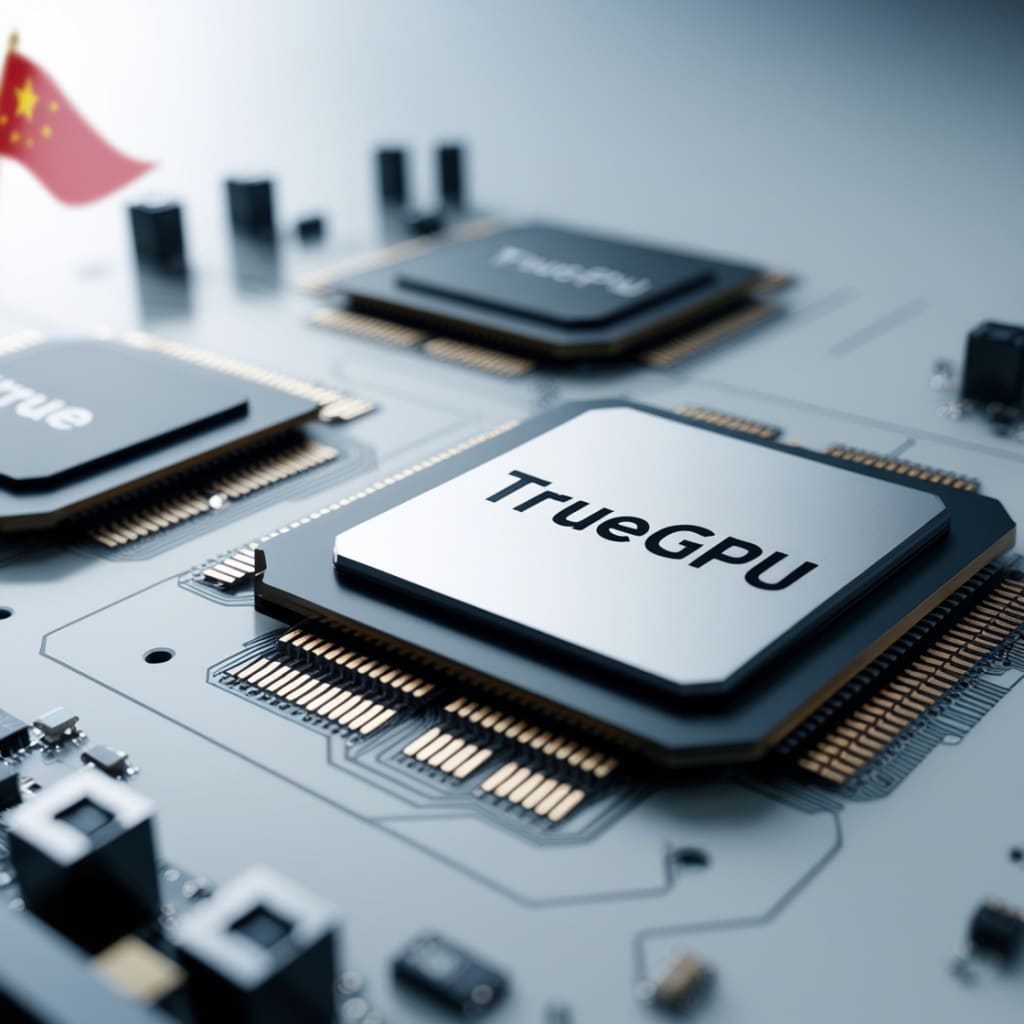
China's G100 GPU: A Step Toward Chip Sovereignty
Lisuan Technology, a Shenzhen-based startup, recently achieved a significant breakthrough by powering on its G100 graphics processing unit (GPU), becoming the first Chinese company to develop a 6-nanometer GPU domestically. Based on a new architecture named “True GPU,” the G100 is claimed to be entirely designed in-house. The chip was manufactured using SMIC’s 6 nm process, which is currently China’s most advanced semiconductor fabrication node. This development reflects China's push for technological independence amid ongoing global trade restrictions. Powering on the GPU confirms that the chip has successfully gone through tape-out. While it’s an early stage, it signifies the start of driver development and system optimization. For a country determined to eliminate foreign dependency in high-performance computing, this achievement is symbolically and strategically vital. However, the journey from tape-out to mass production is long and complex.
Architecture and Ambitions: G100’s Design Goals
The G100 GPU features 32 compute units (CUs) in its initial prototype, aligning it with mid-range expectations in the graphics card market. Lisuan originally claimed it could rival Nvidia’s RTX 4060, suggesting serious ambitions. It also boasts support for advanced APIs such as DirectX 12, Vulkan 1.3, and OpenGL 4.6, making it suitable not only for gaming but also for general-purpose computing tasks like AI or simulations. These specifications show that the G100 is intended to be more than just an experimental chip. Instead, it aims to be a practical, market-ready product in time. With support for multiple rendering standards, the chip lays the foundation for future software development and broad compatibility. However, despite these bold claims, the early benchmarks paint a less competitive picture for the GPU. Initial testing shows performance far behind modern international standards.
Early Benchmarks Reveal Performance Gap
Initial Geekbench OpenCL benchmarks for the G100 delivered a score of just 15,524, putting it on par with Nvidia’s decade-old GTX 660 Ti. This revelation was surprising, considering the G100 is manufactured on a significantly more advanced 6 nm node. Clock speeds on the prototype were only 300 MHz, and the device had just 256 MB of VRAM—specs far below today’s gaming or even entry-level standards. These numbers highlight the fact that the current version is more of a proof-of-concept than a fully optimized product. While the architecture may be modern, the implementation appears unfinished. The test results indicate that more work is needed in terms of firmware development and power efficiency. The hardware itself might have potential, but it’s currently held back by its immature supporting software. For now, real-world usability remains limited.
Why These Results Shouldn't Be Dismissed
Though the G100’s current performance is underwhelming, it’s important to remember that this is an engineering sample, not a finalized product. Benchmarks reflect more than raw hardware capability—they’re also about driver support, software maturity, and firmware optimization. Many early-stage GPUs underperform until proper tuning and software updates are introduced. Other Chinese GPU startups have faced similar hurdles, indicating that such challenges are common in the early phases of development. The low memory and clock speed suggest the test unit is intended more for validation than performance demonstration. It’s possible the full version will include expanded VRAM and significantly higher speeds. This early testing phase should be seen as a building block rather than a final judgment. There is still room for dramatic performance improvements in future iterations.
Reality Check: The RTX 4060 Comparison
One of the most contentious aspects of the G100’s launch was the suggestion that it could match Nvidia’s RTX 4060. In retrospect, this claim seems overly ambitious and potentially misleading. The benchmark numbers make it clear that the G100 is far from achieving such parity in its current form. While theoretically possible with enough optimizations and future variants, the existing prototype lacks the performance muscle needed to compete at that level. It’s crucial for developers and analysts to manage expectations, as exaggerated comparisons can lead to disillusionment. However, it’s also worth noting that OpenCL scores aren’t the most accurate reflection of gaming performance. Real-world gaming tests, once feasible, could reveal different capabilities. Until then, comparing it to flagship cards remains speculative and premature.
National Significance: A Symbol of Independence
Regardless of performance, the G100 GPU is highly symbolic for China’s broader goals in tech independence. In recent years, rising geopolitical tensions have emphasized the importance of localizing core technologies. The fact that Lisuan was able to power on a fully Chinese-designed and fabricated GPU at 6 nm is a remarkable milestone. It marks a departure from reliance on U.S. or Taiwanese semiconductor giants. Even if current performance trails behind international counterparts, the groundwork is laid for future competitiveness. This development proves that China can produce high-tech silicon domestically, even under restrictive conditions. Over time, iterative improvements could bring local GPUs closer to international standards. For now, the G100 represents both a technical and political achievement. It demonstrates what is possible with state backing and focused innovation.
Lisuan’s Startup Journey and Vision
Founded in 2021, Lisuan Technology is a relatively young company with lofty goals. The startup was launched by a team of experienced engineers, some of whom worked in Silicon Valley before returning to China. Their mission was clear: build a fully sovereign GPU solution without borrowing technology or IP from other countries. The company received over $27 million in funding from its parent company, Dongxin Semiconductor, to support this mission. Despite facing a delay in launch due to supply chain and design hurdles, Lisuan has stayed the course. The design of “TrueGPU” shows a long-term commitment to independence and self-sufficiency. With future versions, Lisuan hopes to deliver not just domestic alternatives but also globally competitive GPUs. Their vision is not just about hardware—it includes software and ecosystem development too.
Challenges Ahead: Software, Drivers, and Support
Developing a competitive GPU isn’t just about silicon. Much of the performance comes from refined drivers, extensive testing, and support for modern applications. Companies like Nvidia and AMD have spent decades building up robust ecosystems, partnerships with developers, and gaming optimizations. Lisuan will need to catch up quickly, building a reliable software stack and ensuring compatibility with major APIs and games. Debugging, firmware updates, and ensuring graphical stability across a wide range of workloads are critical next steps. Domestic competitors have stumbled at this stage, with issues ranging from graphical bugs to poor toolchain support. The same fate could befall Lisuan if software is not treated as a core priority. Building partnerships with developers and testing across real-world scenarios will be essential. Without this, even great hardware could struggle to gain traction.
Looking Ahead: The Road to a Viable GPU
To transition from a promising prototype to a competitive product, Lisuan will need to make serious strides. Higher clock speeds, increased VRAM, better cooling solutions, and driver optimization are all crucial areas for improvement. The company has hinted that commercial availability may come by late 2025 or early 2026, but that timeline is tight. Competing in the global GPU market means consistent iteration and long-term investment. The lessons learned from this prototype will inform the next generation of designs. While this version may not revolutionize the market, it’s a necessary step toward long-term relevance. If Lisuan can learn quickly, iterate effectively, and form the right partnerships, the G100 could evolve into something far more impactful in the coming years. Only time will tell if this marks the beginning of China’s rise as a true GPU competitor.
About the Creator
Muhammad Aizaz
Passionate storyteller and professional writer helping brands and individuals bring their ideas to life through the power of words. I publish original, engaging stories on Vocal Media that captivate readers and spark conversation
Keep reading
More stories from Muhammad Aizaz and writers in Education and other communities.
Movie Review: Last Bullet (2025) Directed by: Guillaume Pierret
Starring: Alban Lenoir, Stéfi Celma, Nicolas Duvauchelle, Anne Serra Streaming on: Netflix The high-octane French action thriller Last Bullet (2025) roars into its final chapter, bringing a thunderous close to the Lost Bullet trilogy. Directed once again by Guillaume Pierret, the film picks up with the gritty, gear-loving Lino, played with steely resolve by Alban Lenoir, as he barrels headlong into justice, vengeance, and closure.
By Muhammad Aizaz8 months ago in Education
Mastering the Mental Game: Pro Poker Strategies to Eliminate Tilt for Good
Avoiding tilt is one of the most crucial elements for long-term success in poker. Tilt, the emotional state that leads to poor decision-making, can unravel even the most skilled player’s efforts. Professional poker players understand that maintaining a calm, composed mindset is as important as knowing the odds or mastering bluffing techniques. Here’s how the best in the game stay mentally sharp and emotionally resilient.
By Micah Raskin Poker 2 days ago in Education




Comments
There are no comments for this story
Be the first to respond and start the conversation.