
Childcare with Kindergarten: Building a Strong Start for Young Learners
A Smart Start for Little Learners

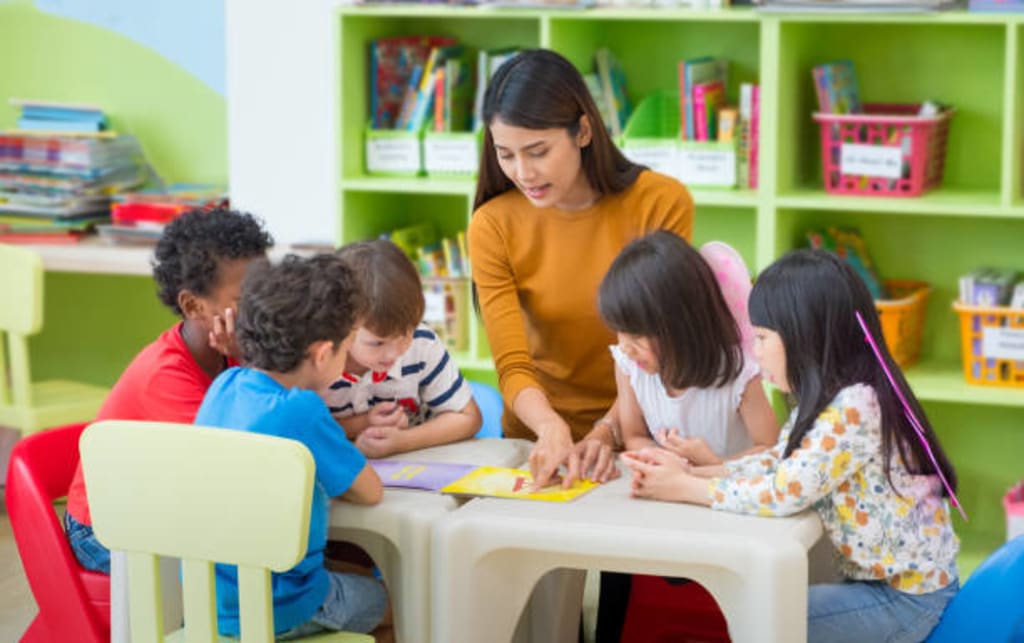
Choosing the right early learning environment for your child is one of the most important decisions a parent can make. A centre that offers Childcare with Kindergarten gives children a great mix of care, learning, and play. It creates a setting where young minds can grow, friendships can form, and confidence can flourish before they move on to school.
This combination of childcare and kindergarten helps children feel supported, safe, and ready for their next stage of education. It blends nurturing care with age-appropriate education, allowing little learners to develop socially, emotionally, and academically in a balanced way.
What Does “Childcare With Kindergarten” Mean?
Childcare with kindergarten refers to a program that combines long day care services with a kindergarten curriculum in one location. It means that parents don’t have to move their child between two separate services. Instead, children can stay in a familiar environment while receiving the benefits of a structured kindergarten program led by qualified early childhood teachers.
These centres usually cater for children from six weeks to five years old. As children grow, they transition from nursery and toddler rooms into a kindergarten program, which prepares them for the start of primary school. The daily routine includes both play-based learning and intentional teaching, giving children the best of both worlds.
Why This Approach Works So Well
Children learn best when they feel comfortable, cared for, and confident. A combined childcare and kindergarten setting supports this through consistency and routine. Children remain in the same environment they know and trust, surrounded by educators who understand their needs.
This approach also helps working families, as the childcare hours are longer and more flexible than traditional seasonal kindergarten programs. Parents can maintain their work schedules while knowing their children are engaged in a learning program that supports school readiness.
In these settings, the focus is not just on academic learning but also on social and emotional growth. Children learn how to share, communicate, problem-solve, and express themselves — essential life skills that build a strong foundation for future success.
The Benefits of Childcare with Kindergarten
1. Consistency and Security
Children thrive on routine. Having childcare and kindergarten in one place gives them a stable environment where they feel safe and connected. Familiar faces, spaces, and routines help reduce anxiety and build trust.
2. School Readiness
Kindergarten programs are designed to prepare children for school. Educators introduce literacy, numeracy, and problem-solving in ways that are fun and engaging. Children learn how to listen to instructions, participate in group activities, and develop independence — all key skills for starting school.
3. Qualified Educators
These programs are led by trained early childhood teachers and supported by experienced educators. They know how to create learning experiences that match each child’s age and stage of development.
4. Learning through Play
Play is one of the most natural ways for children to learn. In a childcare with kindergarten setting, play-based learning helps children explore new ideas, build relationships, and develop creativity. Whether it’s painting, building with blocks, or playing outdoors, every activity supports growth and learning.
5. Flexible Hours for Working Families
many families need care that fits around work schedules. Unlike stand-alone kindergartens that run only a few hours a day, childcare with kindergarten programs often operate for longer hours, offering convenience without sacrificing quality learning.
6. Social Development
being part of a larger group helps children build friendships and social confidence. They learn to share, cooperate, and communicate with others, setting them up for smoother transitions into school and beyond.
7. Holistic Development
these programs support not just academic learning but also physical, emotional, and creative development. Activities like outdoor play, art, music, and storytelling help children express themselves and stay active.
What Does a Typical Day Look Like?
Each centre may run slightly differently, but most follow a consistent structure to give children balance and routine.
Here’s what a typical day in a childcare with kindergarten program might include:
- Morning Arrival and Free Play: Children settle in, greet their friends, and choose from a range of play activities.
- Morning Group Time: Educators gather children for songs, stories, and discussions that build language and listening skills.
- Learning Experiences: These may include art, science, numeracy, or outdoor discovery. Teachers guide the activities while encouraging curiosity and participation.
- Morning Tea and Outdoor Play: Children have a healthy snack before heading outdoors for physical activity, teamwork, and exploration.
- Lunch and Rest: Nutritious meals are provided, and younger children can rest or nap, while older children engage in quiet learning.
- Afternoon Learning: Educators plan activities such as storytelling, group games, or early literacy sessions.
- Late Play and Pick-Up: Children wind down with relaxed play before parents arrive.
This structure gives children the perfect mix of learning, movement, creativity, and rest throughout the day.
What to Look for When Choosing a Centre
Finding the right childcare with kindergarten program can take a little research. Here are some key things to consider:
- Qualified Staff: Make sure the centre has early childhood teachers leading the kindergarten program and educators with the right training.
- Play-Based Learning: Look for programs that balance structured learning with free play and discovery.
- Clean and Safe Facilities: The environment should be welcoming, hygienic, and safe for children.
- Open Communication: Choose a centre that communicates openly with families about your child’s progress and daily experiences.
- Values and Philosophy: Every centre has its own approach. Find one whose values match your family’s expectations and beliefs.
- Community Feel: A strong sense of community helps children feel they belong. Centres that involve families and celebrate diversity create a warm, inclusive atmosphere.
Supporting Early Development through Kindergarten Programs
Kindergarten programs within childcare centres follow the Early Years Learning Framework (EYLF) in Australia. This framework guides educators in helping children develop a sense of identity, wellbeing, connection, and confidence.
Children are encouraged to ask questions, think critically, and take part in hands-on experiences. The focus is on learning through doing rather than memorizing facts. Educators plan lessons that reflect children’s interests, whether that’s dinosaurs, gardening, music, or cooking.
These programs also support language development, motor skills, and early numeracy. Activities like storytelling, counting games, puzzles, and group projects help children learn at their own pace.
Transitioning to School
When children move from kindergarten to primary school, they face many changes — new teachers, new routines, and new friends. Attending a childcare with kindergarten program helps make this transition smoother. Children already have the confidence to communicate, follow instructions, and manage routines.
Educators also work closely with local schools to share information about each child’s learning and progress, helping teachers understand their strengths and needs before the first day of school.
The Role of Families
Parents play a vital role in their child’s early education journey. Centres that offer childcare with kindergarten often encourage families to take part in events, meetings, and celebrations. Regular updates, photos, and communication from educators keep parents involved and informed.
When families and educators work together, children benefit the most. They feel supported both at home and in their learning environment, which builds confidence and motivation.
Conclusion
Choosing Childcare with Kindergarten means giving your child a strong and positive start to their learning journey. It combines the comfort of daily care with the structure of early education, helping children develop essential life skills while feeling secure and valued.
From building friendships to discovering new interests, every day is an opportunity to grow. For parents, it offers peace of mind — knowing their child is receiving quality education and care in one convenient, nurturing environment.
If you’re considering early learning options, visiting a childcare with kindergarten centre is a great first step. You’ll see firsthand how play, learning, and care come together to prepare your child for a bright future.
About the Creator
Keep reading
More stories from Jones Pearl and writers in Education and other communities.
What Role Do Day Care Facilities play in a Child’s Early Development?
Parents want the very best start in life for their children. One of the most important decisions they make is choosing the right care environment. Day care facilities have become more than just a safe place for children while parents are at work. They are now recognised as vital spaces that shape a child’s learning, confidence, and social skills in the earliest years.
By Jones Pearl5 months ago in Education
Innovation and Adaptability in Action: How to Thrive in a Fast-Changing World
The modern world changes fast. New tools, new ideas, and new challenges appear every day. People and organizations must respond with speed and purpose. This is why innovation and adaptability matter more than ever. These skills help individuals, teams, and businesses stay strong during change. They support growth, learning, and long-term success. When change feels constant, the right mindset can turn risk into opportunity. Innovation and adaptability are not abstract ideas. They are daily actions. They guide how we solve problems, learn new skills, and adjust plans. They help us move forward when old ways no longer work. In a world shaped by technology, climate issues, and social shifts, these qualities are essential.
By Brian Ferdinand7 days ago in Education


Comments
There are no comments for this story
Be the first to respond and start the conversation.