
Chhatrapati Sambhaji Maharaj: A Warrior King
The maratha loin

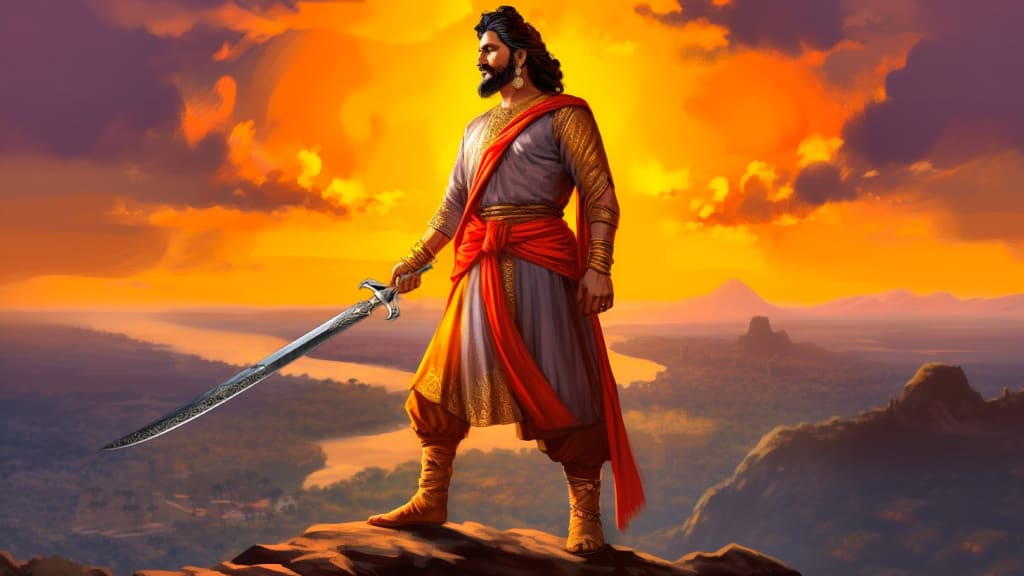
Chatrapati Sambhaji Maharaj: A Warrior King
Sambhaji, the eldest son of the legendary Maratha warrior king Shivaji, was a formidable ruler in his own right. He ascended the throne of the Maratha Empire in 1681 and ruled until his tragic demise in 1689. His reign was marked by relentless warfare against the Mughal Empire, a period of significant expansion, and a series of bold political maneuvers.
Early Life and Accession
Born in 1657, Sambhaji was groomed from a young age to be a warrior. He received rigorous training in martial arts, diplomacy, and statecraft. His early life was marked by political intrigues and the constant threat of Mughal invasion. Despite facing numerous challenges, Sambhaji displayed exceptional courage and strategic acumen.
Upon Shivaji's death, Sambhaji assumed the mantle of Chhatrapati (Emperor) and continued his father's legacy of expanding the Maratha kingdom. He was a charismatic leader who inspired great loyalty among his subjects.
The Mughal Wars
Sambhaji's reign was largely defined by the ongoing conflict with the Mughal Empire. He led numerous campaigns against the Mughals, employing guerrilla tactics and his knowledge of the terrain to great effect. While he faced several setbacks, Sambhaji's resistance kept the Mughal emperor Aurangzeb occupied for many years.
Political Maneuvers and Diplomacy
Sambhaji was not only a skilled warrior but also a shrewd diplomat. He forged alliances with various regional powers to counter the Mughal threat. He also initiated diplomatic relations with European powers, seeking to acquire modern weaponry and strengthen his kingdom.
Capture and Execution
Despite his numerous successes, Sambhaji was eventually captured by Mughal forces in 1689. He was subjected to torture and humiliation before being executed. His death was a significant blow to the Maratha cause, but his legacy as a brave and resourceful warrior lived on.
Legacy
Sambhaji's reign was a period of great turbulence and achievement for the Maratha Empire. He expanded the kingdom, challenged the might of the Mughal Empire, and left an enduring legacy as a courageous and charismatic leader. His story continues to inspire generations of Indians, and he is revered as a national hero.
Key points to remember about Sambhaji:
* Warrior King: Known for his military prowess and strategic thinking.
* Mughal Wars: Led numerous campaigns against the Mughal Empire.
* Diplomacy: Forged alliances and diplomatic relations with various powers.
* Tragic End: Captured and executed by the Mughals.
* Legacy: Revered as a national hero and symbol of resistance.
Would you like to know more about a specific aspect of Sambhaji's life or reign?
Chhatrapati Sambhaji Maharaj, brought into the world on 14 May 1657 at Purandar Post close to Pune, was the oldest child of the regarded Maratha ruler, Chhatrapati Shivaji Maharaj. Following his mom's downfall when he was simply two years of age, his grandma, Jijabai, assumed on the liability of his childhood. Sambhaji was a colossal kid, dominating Sanskrit and a few different dialects,
In 1666, Sambhaji wedded Yesubai, and the couple was honored with a child named Shahu. In spite of familial strains, especially with his stepmother Soyarabai, Sambhaji stayed a urgent figure in the Maratha Domain. He displayed his tactical ability by driving fruitful missions against enemies like Kayum Khan, hardening his standing as a considerable champion.
Upon Shivaji Maharaj's passing in 1680, inner connivances expected to sideline Sambhaji from progression. In any case, with the backing of key partners, he climbed to the high position, turning into the second Chhatrapati of the Maratha Realm. His rule was set apart by constant contentions with the Mughal Head Aurangzeb, who looked to add-on the Maratha domains. Utilizing hit and run combat strategies, Sambhaji really countered the Mughal powers, guaranteeing the flexibility of the Maratha state.
Sambhaji's obligation to guarding his domain reached out past fights with the Mughals. He stood up to the Portuguese in Goa, restricting their strict transformations and the destruction of Hindu sanctuaries. His endeavors likewise enveloped drives to reconvert Hindus who had been constrained into different beliefs, highlighting his devotion to safeguarding his social and strict legacy.
In 1689, through bad form, Sambhaji was caught by Mughal powers. Notwithstanding persevering through severe torment, he wouldn't repudiate his confidence or double-cross his standards. His suffering turned into an energizing point for the Marathas, who proceeded with their battle against the Mughals, at last prompting the foundation of Hindu rule in northern India.
Chhatrapati Sambhaji Maharaj's heritage is one of immovable fortitude, insightful fitness, and unflinching commitment to his kin and standards. His life fills in as a demonstration of the versatility and dauntless soul of the Maratha Domain.
About the Creator
Keep reading
More stories from Suresh Patil and writers in Education and other communities.
The Lens : A window to perception
The Lens: A Window to Perception The human experience is fundamentally one of perception. We navigate the world not through objective reality, but through the filters of our senses, our minds, and our unique histories. These filters, often unconscious, shape how we interpret and understand the world around us. In this sense, we can consider ourselves as viewing the world "through a lens."
By Suresh Patilabout a year ago in Education
The Politics of Playing Dress-Up
Well, to start off I'd like to say a happy world book day to all who celebrate. I know I haven't really posted anything on my socials about it but I'm not a jubilant kind of person. I lay low most of the time. Let's start off with a popular anecdote from the vaults...
By Annie Kapur7 days ago in Geeks




Comments
There are no comments for this story
Be the first to respond and start the conversation.