
ChatGPT and the Future of AI: Transforming the Way We Interact
A brief history of chatbots and how ChatGPT changed the game

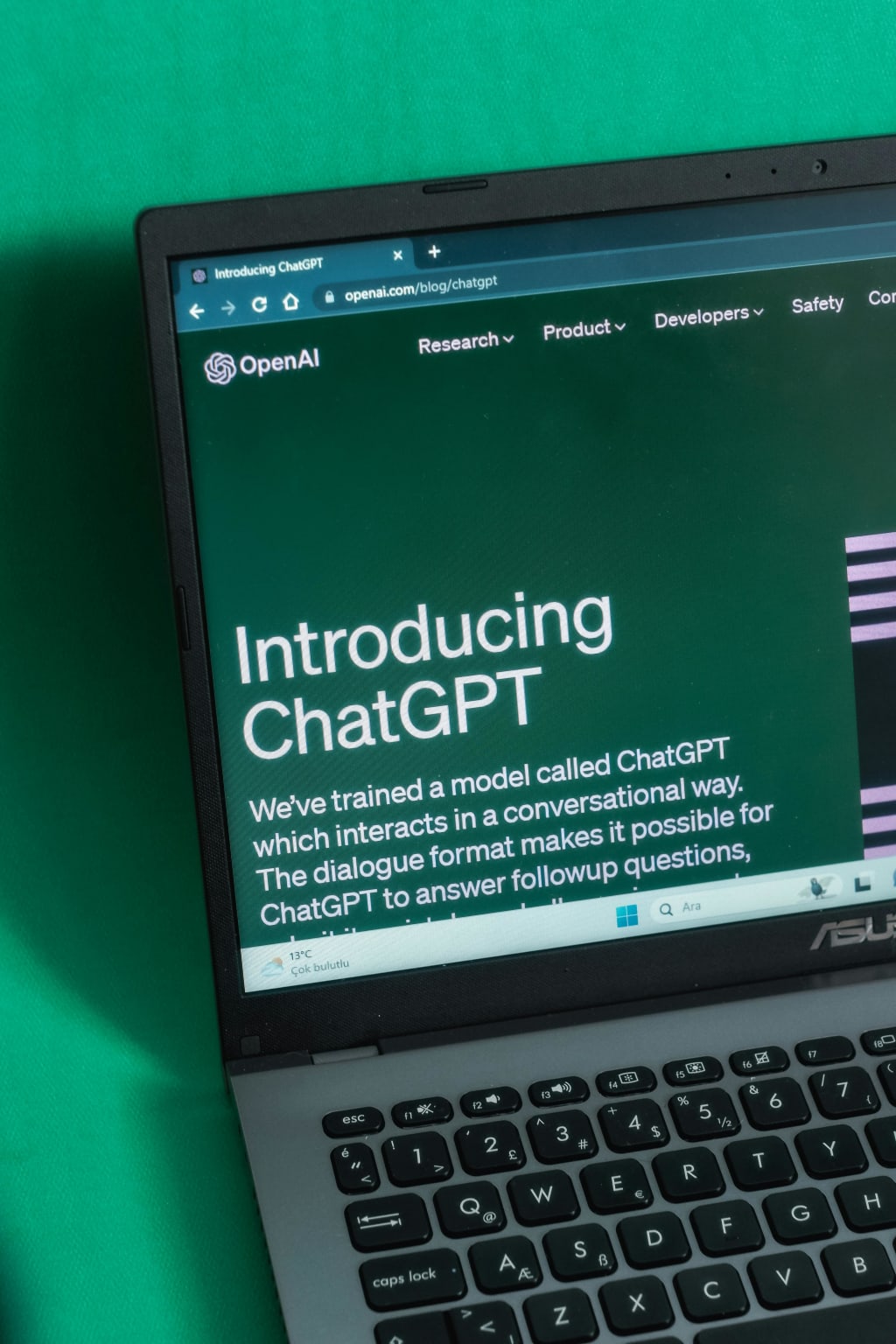
A Brief History of Chatbots and How ChatGPT Changed the Game
The way humans interact with machines has evolved dramatically over the past few decades. From simple command-line interfaces to sophisticated conversational agents, artificial intelligence (AI) has redefined communication. At the forefront of this revolution is ChatGPT, a groundbreaking AI model that has transformed how we engage with technology. But to understand its impact, we must first look back at the history of chatbots and the journey that led us here.
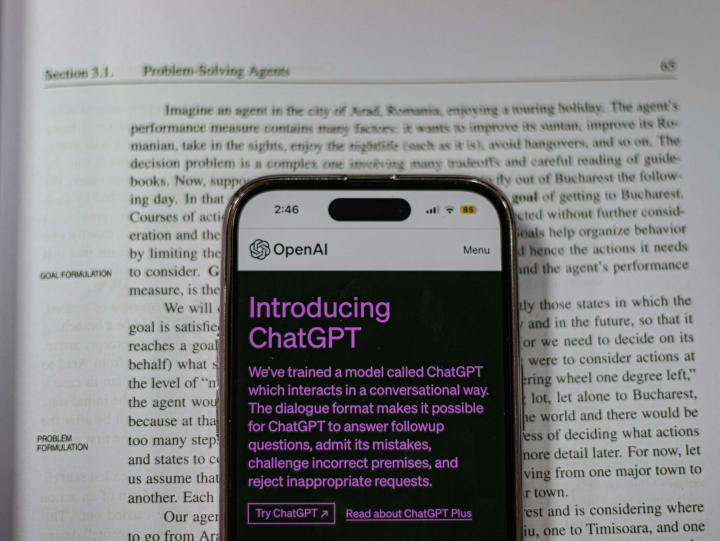
The Early Days of Chatbots
The concept of chatbots isn’t new. In fact, the first chatbot, ELIZA, was created in the 1960s by MIT professor Joseph Weizenbaum. Designed to simulate a psychotherapist, ELIZA used simple pattern-matching techniques to respond to user inputs. While rudimentary by today’s standards, it was a revolutionary step towaA Brief History of Chatbots and How ChatGPT Changed the Game
The way humans interact with machines has evolved dramatically over the past few decades. From simple command-line interfaces to sophisticated conversational agents, artificial intelligence (AI) has redefined communication. At the forefront of this revolution is ChatGPT, a groundbreaking AI model that has transformed how we engage with technology. But to understand its impact, we must first look back at the history of chatbots and the journey that led us here.
The Early Days of Chatbots
The concept of chatbots isn’t new. In fact, the first chatbot, ELIZA, was created in the 1960s by MIT professor Joseph Weizenbaum. Designed to simulate a psychotherapist, ELIZA used simple pattern-matching techniques to respond to user inputs. While rudimentary by today’s standards, it was a revolutionary step toward human-computer interaction.
In the decades that followed, chatbots remained largely rule-based, relying on predefined scripts to generate responses. These early bots, like PARRY (1972) and Jabberwacky (1988), were limited in scope but demonstrated the potential of automated conversation.
The Rise of AI-Powered Chatbots
The 21st century brought significant advancements in machine learning and natural language processing (NLP). With the rise of virtual assistants like Siri (2011), Google Assistant (2016), and Alexa (2014), chatbots became more intuitive. These systems used AI to understand context, recognize speech, and provide more dynamic responses.

However, these early AI chatbots still had limitations. They often struggled with complex queries, lacked true conversational depth, and relied heavily on structured data. The real breakthrough came with the development of large language models (LLMs)—AI systems trained on vast amounts of text data to generate human-like responses.
Enter ChatGPT: A Game-Changer in AI Communication
In November 2022, OpenAI launched ChatGPT, an AI chatbot built on the *GPT-3.5* architecture. Unlike its predecessors, ChatGPT could engage in fluid, context-aware conversations, answer complex questions, and even generate creative content like stories, poems, and code.
What made ChatGPT different?
Advanced Language Understanding – Trained on diverse datasets, ChatGPT could grasp nuances, idioms, and even humor in ways earlier bots couldn’t.
Context Retention – It could remember and reference earlier parts of a conversation, making interactions feel more natural.
Versatility – From tutoring students to drafting business emails, ChatGPT proved useful across multiple domains.
The impact was immediate. Within weeks, millions of users were experimenting with ChatGPT, showcasing its potential to revolutionize industries like customer service, education, and content creation.
The Future of AI Interaction
ChatGPT’s success marked a turning point in AI development. Today, models like *GPT-4* and beyond continue to push boundaries, offering even more sophisticated interactions. But with great power comes great responsibility.
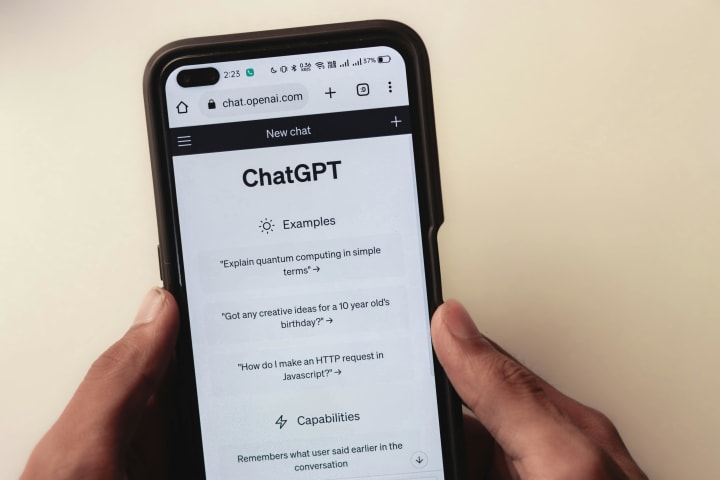
Key considerations for the future include:
Ethical AI Use – Ensuring AI is used responsibly, avoiding biases and misinformation.
Human-AI Collaboration – Leveraging AI as a tool to enhance, not replace, human creativity and decision-making.
Continuous Improvement – As AI evolves, so must our ability to integrate it seamlessly into daily life.
Conclusion
From ELIZA to ChatGPT, the journey of chatbots reflects humanity’s relentless pursuit of smarter, more intuitive technology. ChatGPT didn’t just change the game—it redefined it, setting a new standard for how we interact with machines. As AI continues to evolve, one thing is certain: the future of communication is here, and it’s more exciting than ever.
"The best way to predict the future is to invent it." – Alan Kay
About the Creator
Am@n Khan
I'm educational storyteller passionate about turning knowledge into engaging narratives.
I write about topics like science, history and life skills.
Contact
WhatsApp : +923336369634
Why Marketplace Experts Are Key to Stronger Guest Loyalty Programs
Guest loyalty programs have become an essential component of the modern hospitality industry. Hotels, resorts, and vacation rental brands rely on these programs to create meaningful relationships with travelers while encouraging repeat bookings. In a competitive travel marketplace where guests have endless choices, loyalty programs help brands stand out and maintain long term customer connections. However, developing a successful loyalty strategy requires more than simply offering points or discounts. It demands a deep understanding of guest behavior, booking platforms, and digital marketplace trends.
By Jason Nissena day ago in Education
72% of Americans Rely on a Secondary Income
The idea of having a single job that comfortably supports your lifestyle used to be the norm in the United States. For decades, many Americans expected that a full-time job would cover housing, food, healthcare, savings, and even leisure. Today, however, that reality is changing.
By AnthonyBTV6 days ago in Education


Comments
There are no comments for this story
Be the first to respond and start the conversation.