
Charting the Course: Navigating the Uncharted Waters of Today's Transformative Economic Situation.
From Pandemic Aftermath to Sustainable Innovation: A Comprehensive Exploration of Global Economic Realities in 2023
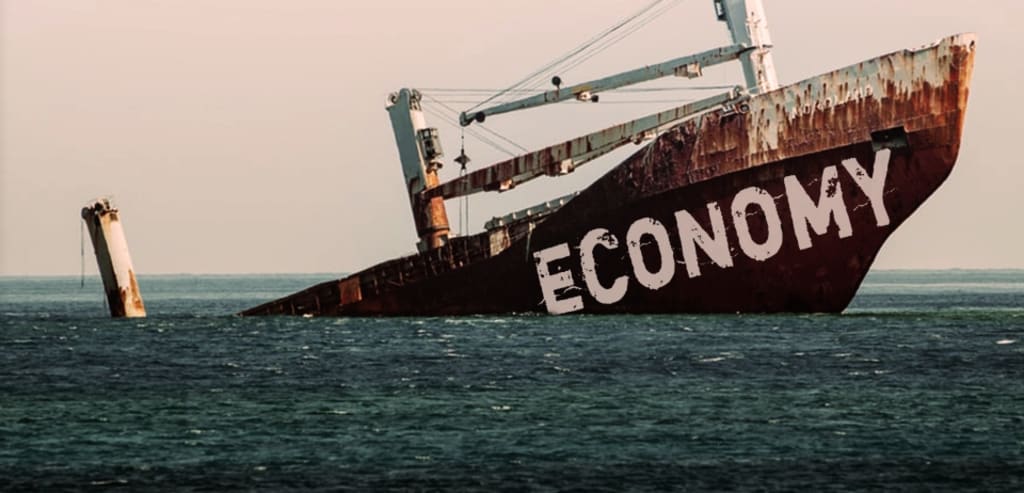
In th ever-shifting tapestry of global economies, the current economic situation is a complex interplay of challenges and opportunities. As of this juncture in 2023, nations across the globe find themselves navigating through a series of intricate dynamics that have reshaped the way we view and engage with economic growth, trade, and stability.
One of the most pronounced features of the current economic landscape is the aftermath of the global pandemic that swept across the world, leaving no nation untouched. The COVID-19 pandemic led to unprecedented disruptions, triggering lockdowns, supply chain interruptions, and a significant shift in consumer behavior. These seismic shocks rippled through industries, causing widespread job losses, business closures, and forcing governments to roll out extensive stimulus measures to prop up ailing economies.
Central to this narrative is the delicate balance between public health concerns and economic recovery. Many countries faced the unenviable task of imposing restrictions to curb the spread of the virus while simultaneously striving to jumpstart economic activity. As vaccines became widely available, some economies began to show signs of recovery, but the journey back to pre-pandemic levels proved to be a winding and uncertain one.
The pandemic's influence extended beyond the immediate health crisis, amplifying existing structural issues within economies. Inequalities were laid bare as vulnerable populations bore the brunt of the economic fallout. Disparities in access to healthcare, education, and employment were exacerbated, highlighting the need for more equitable economic policies.
Supply chain disruptions, a direct consequence of the pandemic, added further complexity to the economic landscape. The interdependence of global markets was exposed as shortages of critical goods and components reverberated across industries. As nations sought to bolster their resilience, discussions around reshoring industries and diversifying supply chains gained momentum. Such strategies, while potentially enhancing domestic production, come with their own set of challenges and trade-offs.
The realm of international trade also underwent a transformative phase. Trade tensions and protectionist measures had already been on the rise prior to the pandemic, but recent events accelerated these trends. Countries reassessed their dependencies on foreign markets and scrutinized trade agreements, leading to a recalibration of global trade relationships. The pursuit of self-sufficiency and strategic autonomy became central themes in economic policy discussions.
Technology emerged as both a driving force and a remedy in the current economic situation. The pandemic accelerated the adoption of digital solutions, remote work, and e-commerce. This transformation had profound implications for traditional industries and the labor market. While technology-driven innovation offered avenues for growth and efficiency, it also raised concerns about job displacement and the need for upskilling and reskilling the workforce.
Climate change and sustainability have also taken center stage in the economic narrative. The urgent need to address environmental challenges has prompted a shift towards green initiatives and sustainable practices. The transition to a low-carbon economy has generated opportunities in renewable energy, clean technologies, and sustainable finance. However, this transition requires careful planning to ensure a just and inclusive transition for workers and communities affected by the changing landscape.
Monetary policy and fiscal stimulus played a crucial role in shaping the trajectory of economies during these uncertain times. Central banks around the world employed a mix of measures, including low interest rates and quantitative easing, to support borrowing, spending, and investment. Governments introduced stimulus packages to mitigate the economic fallout and stimulate demand. Balancing these measures with long-term fiscal sustainability remains an ongoing challenge.
In conclusion, the current economic situation is a multifaceted tableau characterized by resilience, adaptation, and transformation. The global pandemic has been a catalyst for change, exposing vulnerabilities, accelerating trends, and prompting a reevaluation of economic priorities. As nations chart their paths forward, they must grapple with the intricate web of challenges and opportunities that define the economic landscape. A holistic approach that prioritizes inclusivity, sustainability, and innovation will be key to navigating these turbulent waters and building a more resilient and prosperous future
About the Creator
Keep reading
More stories from writers in Education and other communities.
The Science of Curiosity
Sophia had always been curious about the world. Even as a child, she would spend hours asking questions about everything she saw—the stars in the sky, the plants in the garden, and even the strange noises her cat made at night. But as she grew older, she noticed that most people around her seemed to prefer answers over questions. They wanted certainty, not curiosity.
By Sudais Zakwan3 days ago in Education
Discovering Price Gaps: How to Find Market Inefficiencies That Lead to Better Returns
Smart investing isn’t just about picking strong stocks or diversifying your portfolio. One of the most powerful strategies is learning how to identify market inefficiencies, which are opportunities where a security’s price doesn’t reflect its true value. These moments often arise from human behavior, misinformation, or slow market reactions. If you can detect them early, you gain an edge over the average investor — and that edge can translate into higher returns.
By Brian Ferdinand4 days ago in Education




Comments
There are no comments for this story
Be the first to respond and start the conversation.