
Charting New Frontiers in Cancer Research
Explore the breakthroughs driving oncology research and how they’re shaping the future of personalized cancer care.

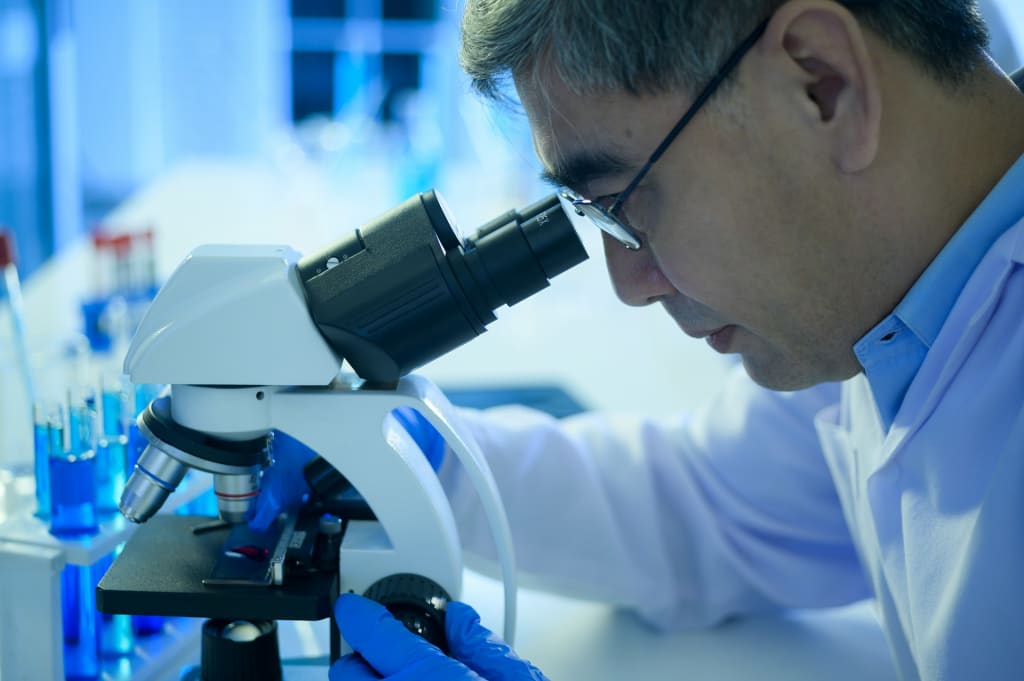
Cancer remains one of the most complex medical challenges of our time. However, in recent years, groundbreaking advances in oncology research have reshaped our understanding of cancer biology and treatment. The global effort to conquer cancer has gained momentum through innovations in genomics, targeted therapies, immunotherapy, and precision medicine. These developments are not just extending lives—they are transforming cancer care into a more personalized, data-driven, and hopeful field of medicine.
Oncology research is no longer confined to laboratories or clinical trials alone. It now thrives at the intersection of technology, collaboration, and patient-centered care. As we chart new frontiers in cancer research, it becomes clear that the path forward requires bold ideas, inclusive study design, and continued global cooperation. Breakthroughs are now occurring faster than ever, but so is the need to translate these discoveries into accessible treatments for all patients.
The Shift Toward Precision Oncology
One of the most significant changes in modern cancer treatment has been the rise of precision oncology. Rather than using a one-size-fits-all approach, researchers now harness the power of genomics to understand the unique molecular profile of each patient’s cancer. This enables more targeted treatments that are tailored to the specific genetic mutations driving a particular tumor.
Genetic sequencing technologies have become faster and more affordable, enabling oncologists to identify biomarkers that predict a patient's response to specific therapies. This development has led to the emergence of targeted drugs that inhibit proteins or signaling pathways essential to cancer cell survival. For instance, the discovery of mutations in the EGFR gene has led to the development of effective targeted therapies in non-small cell lung cancer, resulting in significantly improved outcomes.
Precision oncology also fuels the rise of companion diagnostics, tools that help clinicians determine which treatments will be most effective for a particular patient. This personalized approach enhances treatment outcomes, minimizes unnecessary side effects, and facilitates informed clinical decision-making with greater confidence.
Immunotherapy and the Power of the Immune System
Immunotherapy has become one of the most revolutionary developments in oncology in recent decades. By leveraging the body’s immune system to fight cancer, immunotherapies offer a fundamentally different mechanism of action than traditional chemotherapy or radiation. Treatments such as immune checkpoint inhibitors have shown remarkable success in cancers previously considered difficult to treat, such as melanoma and certain types of lung cancer.
Checkpoint inhibitors, such as pembrolizumab and nivolumab, work by blocking proteins that suppress the immune response, allowing T-cells to recognize and attack cancer cells more effectively. In many cases, these therapies have produced long-lasting remissions, even in patients with advanced disease.
Other immunotherapy approaches, such as CAR-T cell therapy, involve reprogramming a patient’s immune cells to target specific cancer antigens. Although still in its early stages for many cancers, CAR-T has shown promise in hematologic malignancies, such as leukemia and lymphoma. The challenge now lies in refining these therapies for broader use and reducing the severe side effects some patients experience.
Immunotherapy has ushered in a new era where some cancers are being managed as chronic conditions rather than acute crises. Ongoing trials continue to investigate how immunotherapy can be combined with other treatments to improve outcomes and prolong survival.
The Role of Artificial Intelligence in Oncology
Artificial intelligence (AI) is playing an increasingly important role in oncology research and clinical care. AI algorithms can analyze vast amounts of data—including imaging, pathology slides, genomics, and electronic health records—with unprecedented speed and accuracy. These capabilities are helping oncologists make faster diagnoses, identify new drug targets, and predict patient responses to treatment.
In radiology, AI systems aid in early cancer detection by identifying subtle patterns in scans that the human eye may overlook. In pathology, AI can analyze biopsies and classify tumor types, improving diagnostic precision. Machine learning models are also being developed to predict which patients are most likely to benefit from specific therapies based on their clinical profiles.
Beyond diagnostics, AI is accelerating drug discovery by identifying potential compounds and simulating their interactions with cancer cells. This reduces the time and cost required to bring new therapies to clinical trials. As oncology research becomes more data-intensive, AI will continue to serve as a critical tool for managing complexity and delivering actionable insights.
Global Collaboration and Inclusive Trials
Cancer is a global disease, and its management requires global solutions. Increasingly, oncology research is driven by international collaborations that pool resources, expertise, and patient data to enhance understanding and treatment. These partnerships enable researchers to conduct large-scale clinical trials that are better powered to detect meaningful results and represent diverse populations.
In the past, clinical trials often excluded patients from minority communities or low-income countries. This lack of diversity limited the generalizability of findings and created disparities in treatment access. Today, there is a growing commitment to inclusivity in research. Modern oncology trials are being designed with broader eligibility criteria and outreach efforts that engage underserved populations.
The rise of decentralized clinical trials—where patients can participate remotely or in community settings—also promotes accessibility and inclusion. Telehealth tools and digital platforms enable patients to receive expert care and monitoring remotely, making trial participation more feasible.
These efforts to diversify oncology research ensure that breakthroughs benefit all patients, not just a select few. Inclusive science is not just ethical—it is essential to delivering equitable cancer care worldwide.
Looking Ahead: Challenges and Opportunities
While the progress in oncology research is undeniable, many challenges remain. Drug development is still expensive and time-consuming, and regulatory pathways must balance safety with urgency. There is also a need to improve cancer prevention strategies and enhance early detection efforts, especially in resource-limited settings.
Another concern is the rising cost of cancer care. Even the most effective treatments can be financially unaffordable for many patients. Healthcare systems must find sustainable models that allow innovation to thrive while ensuring affordability and access.
Despite these hurdles, the road ahead for oncology is paved with promise. The convergence of biology, technology, and personalized care is redefining what is possible. Every discovery builds on the work of countless scientists, clinicians, and patients who contribute to the body of knowledge and hope.
As we look toward the future, a collective effort—spanning research institutions, industry partners, healthcare providers, and patients—will be essential. Together, we are not just treating cancer; we are fighting it. We are transforming the way the world understands and conquers it.
About the Creator
Yousuf A. Gaffar, M.D
Dr. Yousuf Gaffar, M.D., is a hematologist and oncologist with 20 years of experience. He combines advanced cancer treatments with compassionate care.
Portfolio: https://yousufagaffar.com
Portfolio 2: https://yousufgaffar.com
Keep reading
More stories from Yousuf A. Gaffar, M.D and writers in Education and other communities.
Two Decades of Medical Progress: Learning, Adapting, and Enhancing Patient Care
Over the past 20 years, medicine has undergone profound changes that have reshaped the healthcare landscape. Innovations in technology, research, and patient management have all contributed to the ongoing evolution of medical practice. This continuous process of learning and adapting reflects a deep commitment to improving patient outcomes and delivering high-quality care. This article reviews some of the most impactful developments over the last two decades and considers how they have influenced the future of healthcare.
By Yousuf A. Gaffar, M.D10 months ago in Education
Effective Mentorship Strategies to Help Clinicians Lead Patient-Centered Healthcare Innovation
Healthcare organizations today face growing expectations to deliver higher-quality care while improving efficiency and patient satisfaction. Innovation is often discussed at the leadership level, yet some of the most valuable ideas originate from clinicians working directly with patients. These professionals understand daily challenges in care delivery and recognize opportunities for improvement that others may overlook. When healthcare leaders actively mentor clinicians, they unlock the potential for meaningful, patient-centered innovation.
By Dr. Janet Chollet7 days ago in Education
Zero Trust Security for Small Business: A Simple Guide for Owners
If you run a small business, you probably think cyber attacks only happen to big companies. I used to think the same way. It feels like hackers would rather go after large banks or global tech companies, not a small shop, startup, or local service provider.
By Stephano kambeta7 days ago in Education
Worth the Wait: Puerto Viejo, Costa Rica
Beach bumming in a small Caribbean beach town sounded like a perfect way to end our 6-month trip through Mexico and Central America. Or so we thought. The foul, fishy stench of rotten seaweed hit our nostrils as we stepped from the cramped bus and looked out at a rather depressing, empty, and underwhelming black sand beach. It was pouring with rain, and we had to quickly fish out our ponchos. We thought, this couldn’t be it, could it?
By Sh*t Happens - Lost Girl Travel4 days ago in Wander




Comments