
Cancer Understanding
Exploring the Causes, Treatments, and Future of the Disease Cancer.

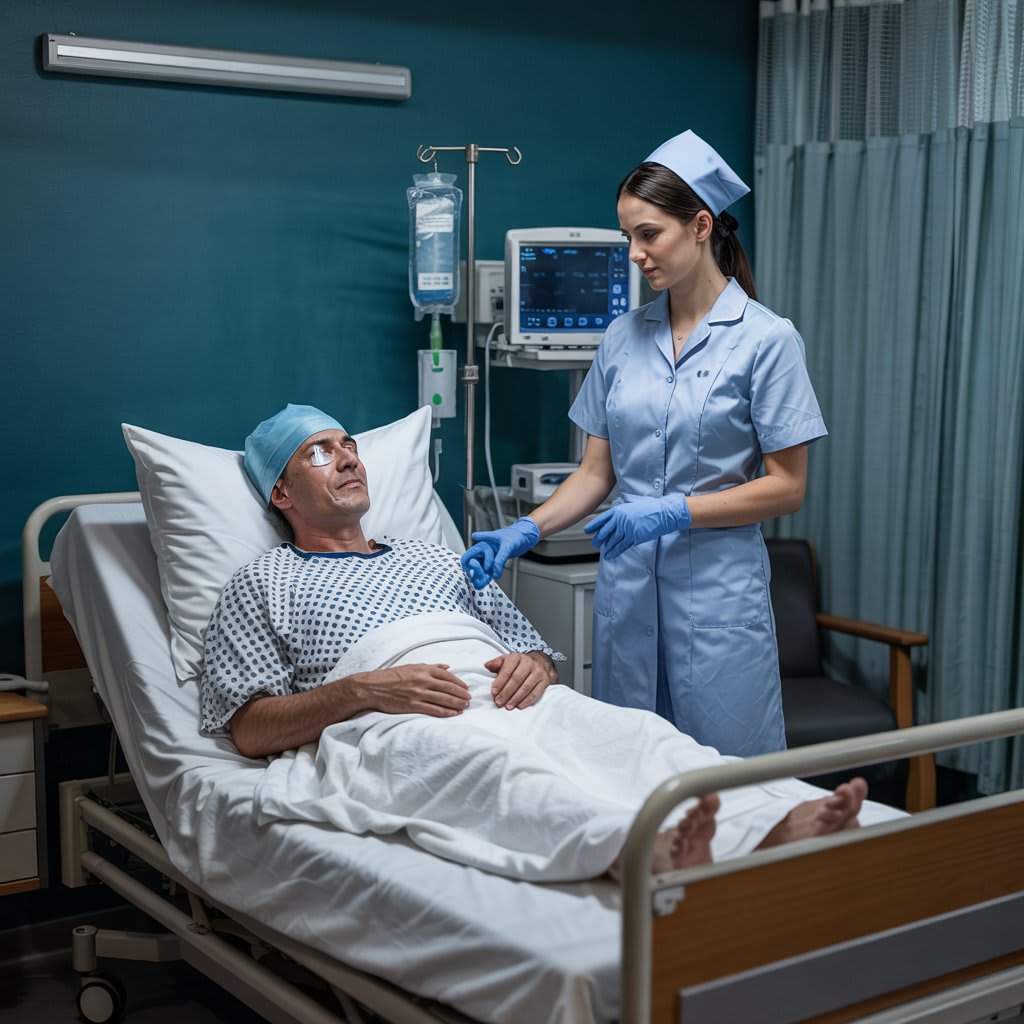
What is Cancer?
Cancer is a group of diseases characterized by the uncontrolled growth and spread of abnormal cells in the body. These cells can invade nearby tissues and, in advanced stages, spread to other parts of the body through the blood and lymphatic systems. If the spread is not controlled, it can result in death.
There are over 100 types of cancer, and they are usually named based on the organ or type of cell where they start—for example, lung cancer, breast cancer, or leukemia (cancer of blood-forming tissues).
How Cancer Develops
Cancer begins when genetic changes interfere with the normal process of cell division and growth. Normally, the body controls how and when cells grow, divide, and die. But in cancer, mutations in genes disrupt this balance, allowing cells to grow uncontrollably.
These changes can be inherited or caused by environmental exposures, lifestyle factors, or infections.
Common Causes and Risk Factors
Several factors can contribute to the development of cancer. Here are some of the most common causes:
1. Lifestyle Factors
Tobacco Use: Smoking is the leading cause of lung cancer and contributes to many other types.
Poor Diet: High-fat, low-fiber diets may increase risk.
Alcohol Consumption: Linked to liver, breast, and digestive system cancers.
Lack of Physical Activity & Obesity: Increases the risk of several cancers including breast and colon.
2. Environmental Exposures
Radiation: Exposure to ultraviolet rays (sunlight) or ionizing radiation (e.g., X-rays) can cause skin or other cancers.
Carcinogenic Chemicals: Substances like asbestos, benzene, and certain pesticides are known to cause cancer.
3. Infections
Human Papillomavirus (HPV): A major cause of cervical cancer.
Hepatitis B and C: Increases risk for liver cancer.
Helicobacter pylori: Linked to stomach cancer.
4. Genetic and Hereditary Factors
Some people inherit faulty genes from their parents that make them more likely to develop cancer, such as BRCA1 and BRCA2 for breast and ovarian cancer.
Symptoms of Cancer
Cancer symptoms can vary depending on the type and location, but common warning signs include:
Unexplained weight loss
Persistent fatigue
Pain that doesn't go away
Changes in skin (e.g., darkening, yellowing, or sores that don’t heal)
Lumps or swelling
Unusual bleeding or discharge
Persistent cough or trouble breathing
Early detection is crucial for better outcomes.
Methods of Cancer Diagnosis
Cancer is diagnosed through a combination of:
Physical examination
Imaging tests: X-rays, MRI, CT scans
Laboratory tests: Blood, urine, or tissue tests
Biopsy: A sample of tissue is examined under a microscope
Treatment Options for Cancer
Treatment depends on the type, location, and stage of cancer, as well as the patient’s overall health. Common treatment methods include:
1. Surgery
Used to remove the tumor or affected tissue, often effective if the cancer is localized.
2. Chemotherapy
Involves drugs that kill or stop the growth of cancer cells. It can be used alone or with other treatments.
3. Radiation Therapy
High-energy rays are used to destroy cancer cells. It can be targeted to a specific area.
4. Immunotherapy
Boosts the body’s natural defenses to fight cancer. It includes drugs that stimulate the immune system or use lab-made immune system components.
5. Targeted Therapy
Uses drugs that specifically target cancer cell functions or genes, minimizing damage to normal cells.
6. Hormone Therapy
Used for cancers that rely on hormones to grow, such as breast or prostate cancer.
7. Stem Cell Transplant
Replaces damaged bone marrow with healthy cells, often used in blood cancers like leukemia.
Living with Cancer
Cancer can be life-changing, not just physically but emotionally. Patients may face fear, stress, and financial burdens. Support from healthcare teams, family, and counseling services is essential for recovery and mental health.
Conclusion
Cancer remains one of the leading causes of death worldwide, but with advances in early detection, research, and treatment, survival rates continue to improve. Awareness, healthy lifestyle choices, regular checkups, and timely medical attention are key in preventing and managing this complex disease.
Rate us with your own value and our information.
About the Creator
Saami0108
I am profassional Researcher about most occuring diseases.
Keep reading
More stories from writers in Education and other communities.
Why Lithium Ion Batteries Are Powering Europe’s Energy Transition
Europe Lithium Ion Battery and Its Growing Importance Energy and mobility systems across Europe are evolving rapidly as governments, businesses, and consumers prioritize cleaner technologies and improved efficiency. Among the most important developments in recent years is the expanding use of lithium ion batteries. Once mainly associated with consumer electronics, these batteries are now central to electric vehicles, renewable energy storage, and modern industrial applications.
By deepanshu Thakur5 days ago in Education




Comments (1)
This sounds good good good