
Can Machines Write the Truth? The Future of Journalism in the AI Era
The integration of AI in journalism has been gradual but significant.

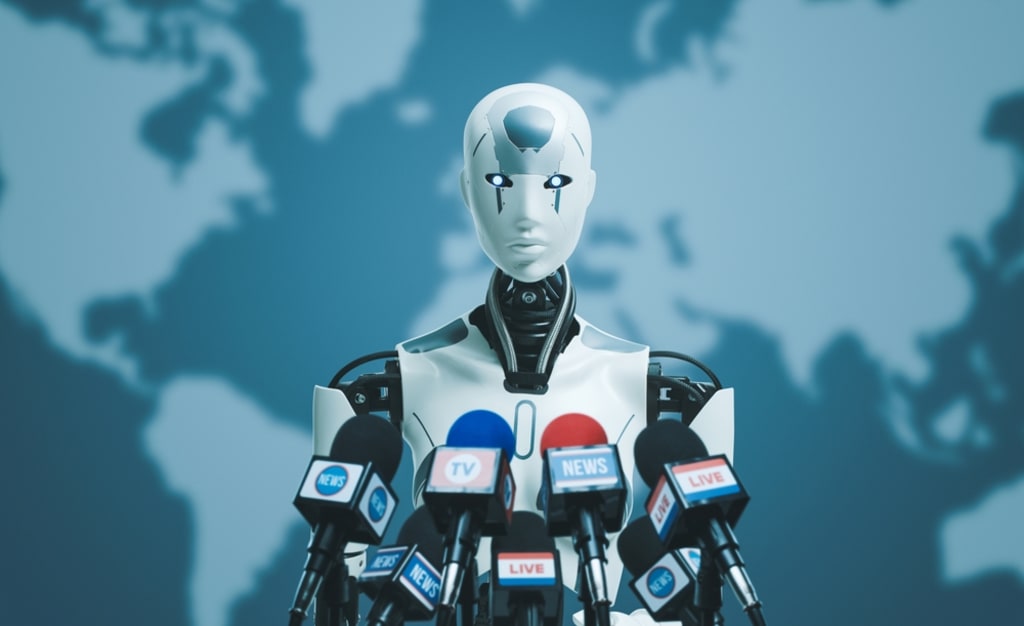
The rise of artificial intelligence (AI) has fundamentally altered various industries, and journalism is no exception. As we navigate the future of journalism, it is essential to examine how AI impacts the industry, the potential benefits and drawbacks, and the importance of maintaining journalistic integrity.
Let’s understand the aspects, exploring whether machines can truly write the truth and the future of journalism in the AI era.
The Evolution of Journalism in the AI Era
The integration of AI in journalism has been gradual but significant. Initially, AI tools assisted journalists in data analysis and fact-checking.
Today, AI algorithms can generate news articles, predict trends, and personalise content for readers. This evolution has opened up new possibilities for journalism, but it also raises questions about the role of human journalists and the quality of machine-generated content.
Advantages of AI in Journalism

Efficiency and Speed
One of the most significant advantages of AI in journalism is efficiency. AI algorithms can analyse vast amounts of data and generate news reports at a speed unimaginable for human journalists. This capability is particularly useful for covering breaking news and real-time events, where timely reporting is crucial.
Data-Driven Insights
AI tools can sift through large datasets to uncover patterns and trends that human analysts might miss. This ability to generate data-driven insights can enhance the depth and accuracy of journalistic reporting, providing audiences with more comprehensive and nuanced stories.
Personalisation
AI can personalise news content based on readers' preferences and behaviours. By analysing user data, AI algorithms can recommend articles that align with individual interests, increasing reader engagement and satisfaction. This personalised approach can help news organisations build stronger relationships with their audiences.
Challenges and Ethical Concerns

Accuracy and Credibility
While AI can process and generate content quickly, the accuracy and credibility of machine-generated news remain a significant concern. AI algorithms rely on the data they are trained on, and if the data is biased or incorrect, the resulting content will be flawed. Ensuring the reliability of sources and maintaining high journalistic standards are challenges that need to be addressed.
Loss of Human Touch
Journalism is not just about reporting facts; it involves storytelling, context, and empathy. Human journalists bring a unique perspective and emotional intelligence to their work, which machines cannot replicate. Losing this human touch could lead to more sterile and less engaging news content.
Ethical Implications
The use of AI in journalism also raises ethical questions. Issues such as bias in AI algorithms, transparency in content generation, and accountability for errors must be carefully considered. Maintaining the principles and ethics of journalism is crucial to preserving public trust in the media.
The Role of Human Journalists
Despite the advancements in AI, human journalists remain indispensable. Their ability to think critically, ask probing questions, and provide context and analysis is irreplaceable. Human journalists can also adapt to unexpected events and navigate complex situations with a level of understanding and empathy that machines lack.
Education and Training in the AI Era
Bachelor of Journalism and Mass Communication
As the field of journalism evolves, journalism education must, too. Programs such as the Bachelor of Journalism and Mass Communication (BJMC) must incorporate AI and data journalism into their curricula. Future journalists must be equipped with the skills to use AI tools effectively while understanding their limitations.
Masters in Journalism and Mass Communication
At the postgraduate level, a Master’s in Journalism and Mass Communication (MJMC) degree should delve deeper into the ethical implications of AI in journalism. Students should be trained to critically evaluate AI-generated content, understand the principles of ethical journalism, and learn how to leverage AI to enhance their reporting.
Principles and Ethics of Journalism in the AI Era
Maintaining the principles and ethics of journalism is more important than ever in the AI era. Journalistic integrity, accuracy, fairness, and accountability must remain at the forefront of news reporting, regardless of whether humans or machines generate the content.
Addressing the Problems with Machines
Bias in AI Algorithms
One of the most pressing problems with AI in journalism is bias in algorithms. AI systems learn from the data they are trained on, and if that data is biased, the AI will produce biased content. To address this issue, it is essential to use diverse and representative datasets and continuously monitor and adjust AI systems for bias.
Transparency and Accountability
Transparency in how AI-generated content is produced is crucial. News organisations should disclose when a machine writes an article and provide information on how the AI system works. Accountability is also vital; mechanisms should be in place to correct errors and hold AI systems to the same standards as human journalists.
Ensuring Human Oversight
While AI can assist in content generation, human oversight is essential to ensure accuracy and adherence to ethical standards. Editors and journalists should review AI-generated content before publication, providing context and corrections.
The Future of Journalism: A Hybrid Approach
The future of journalism will likely involve a hybrid approach, combining the strengths of AI and human journalists. AI can handle data-intensive tasks, generate initial drafts, and provide personalised content. At the same time, human journalists focus on in-depth reporting, analysis, and storytelling. This collaboration can enhance the overall quality and efficiency of journalism.
Preparing for the Future
As AI evolves, journalists and news organisations must stay ahead of the curve. Continuous education and training in AI tools and techniques are essential. Embracing new technologies while upholding the core principles of journalism will ensure that the industry remains relevant and credible.
Shoolini University is at the forefront of journalism education, offering programs integrating traditional journalistic training with modern technological advancements.
Their curriculum includes courses on AI in journalism, data journalism, and ethical reporting, preparing students for the challenges and opportunities of the future.
With experienced faculty and state-of-the-art facilities, Shoolini University is the No.1 Private University in India according to the prestigious Times Higher Education World University Rankings.
The future of journalism in the AI era presents exciting opportunities and significant challenges. AI has the potential to enhance efficiency, provide data-driven insights, and personalise content. However, accuracy, credibility, and ethical implications must be carefully managed. Human journalists remain crucial for their critical thinking, storytelling abilities, and adherence to journalistic principles.
Ultimately, the success of journalism in the AI era will depend on our ability to balance innovation with ethical considerations, ensuring that machines can write the truth while upholding the profession's core values. Shoolini University's forward-thinking approach to journalism education is a step in the right direction, preparing students to become the next generation of journalists in an ever-changing media landscape.
About the Creator
Rahul Dhamija
I'm passionate about helping students navigate the ever-changing world of higher education.
I share my knowledge and the latest updates on college applications, financing your education, and making the most of your college experience
Keep reading
More stories from Rahul Dhamija and writers in Education and other communities.
Is Hotel Management a Good Career Option Today?
In today's dynamic and ever-evolving job market, choosing the right career path is crucial. One field that often garners attention is hotel management. But is hotel management a good career option today? The hospitality industry, a cornerstone of the global economy, offers diverse opportunities for those passionate about service and management. Hotel management, a significant part of this sector, has adapted to meet the demands of a globalised and digitally connected world. But with changing trends and economic conditions, one might wonder, "Is hotel management a good career option today?"
By Rahul Dhamijaabout a year ago in Education
Scaling Smart: Growing Your Small Business on a Tight Budget
Growing a small business doesn’t require massive capital or a large team—it requires intelligent decision-making and a resourceful mindset. Many successful companies started with limited budgets and used creativity and strategic planning to expand. If you're working with constrained resources, here’s how you can still scale effectively and sustainably.
By Alexander Schifter7 days ago in Education
Watching Wings Up Close, A Simple Guide to Garden Discovery
Learning how to identify lepidoptera species in your garden can turn a quiet moment outdoors into an exciting discovery. Butterflies and moths are more than colorful visitors. They are signs of a healthy space and active seasons. With a calm approach and a little practice, anyone can learn to notice their patterns and habits. This butterfly identification guide approach begins with slowing down and paying attention to small details that often go unseen.
By Akito Kawahara6 days ago in Education




Comments
There are no comments for this story
Be the first to respond and start the conversation.