


Calligraphy:
Calligraphy is the art of writing beautifully, often associated with the use of a pen or brush to create artistic lettering or handwriting. It has a long and rich history, dating back to ancient times when scribes used it to produce manuscripts, documents, and books. Today, calligraphy has become a popular form of art, used for a wide range of applications, including graphic design, advertising, and personal expression.
The beauty of calligraphy lies in the intricate details of each letterform. Calligraphers must master the art of forming each letter, taking into account factors such as line weight, spacing, and angle. They must also consider the type of tool being used, whether it's a pen, brush, or even a computer program. With practice and dedication, calligraphers can produce stunning works of art that are both visually pleasing and communicative.

One of the key aspects of calligraphy is the use of various scripts, each with its unique style and history. Some of the most popular scripts include Gothic, Italic, and Copperplate. Gothic calligraphy, for example, is characterized by its bold and angular letters, often used for official documents and religious texts. Italic calligraphy, on the other hand, features more fluid and flowing letterforms, making it a popular choice for personal correspondence and invitations.

The tools used for calligraphy are also an important part of the art form. Traditional calligraphy uses a pen or brush, often made from materials such as bamboo, quill, or metal. The nib or brush must be carefully selected to suit the desired style and effect of the calligraphic piece. For example, a broad nib may be used for larger, bolder letters, while a pointed nib can create fine, delicate strokes.
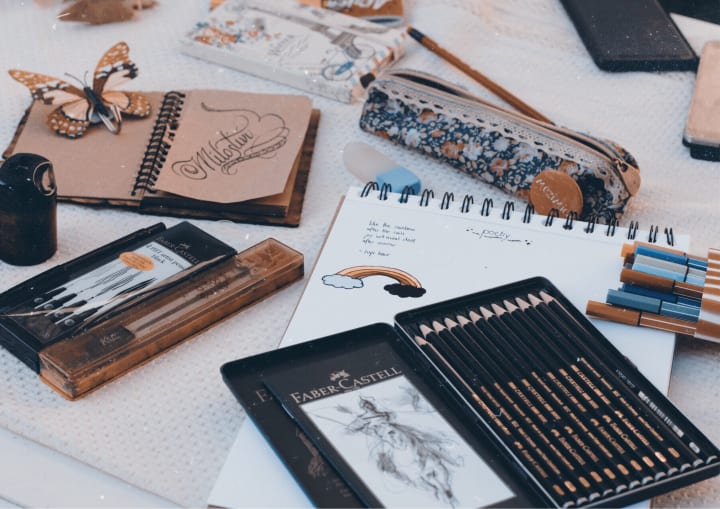
In recent years, calligraphy has also evolved to incorporate digital tools and techniques. Software programs such as Adobe Illustrator and Inkscape allow calligraphers to create digital lettering, while digital pens and tablets can simulate the feel of traditional tools. These innovations have opened up new possibilities for calligraphy, allowing artists to experiment with new styles and techniques.
Calligraphy can be used for a variety of applications, from simple notes and greetings to complex pieces of artwork. Many calligraphers offer their services for weddings, corporate events, and other special occasions, creating bespoke pieces that capture the essence of the event. Calligraphy can also be used for logo design, branding, and marketing, adding a unique and personal touch to any project.

Learning calligraphy can be a rewarding experience, allowing you to express your creativity and develop a new skill. There are many resources available for beginners, from instructional books and videos to online courses and workshops. With practice and dedication, anyone can master the art of calligraphy and create beautiful, meaningful works of art.
Calligraphy as a hobby can also have therapeutic benefits. The process of carefully forming each letter and creating a beautiful piece of art can be relaxing and meditative. It can also be a way to disconnect from technology and the distractions of modern life.
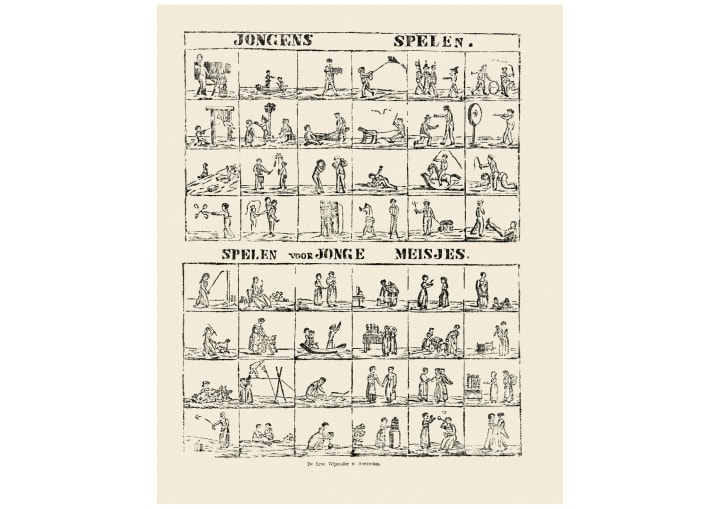
For many, calligraphy is more than just a hobby or a career. It is a passion, a way of life, and a means of self-expression. It is a way to connect with the past and the present, explore different cultures and traditions and leave a lasting legacy for future generations.
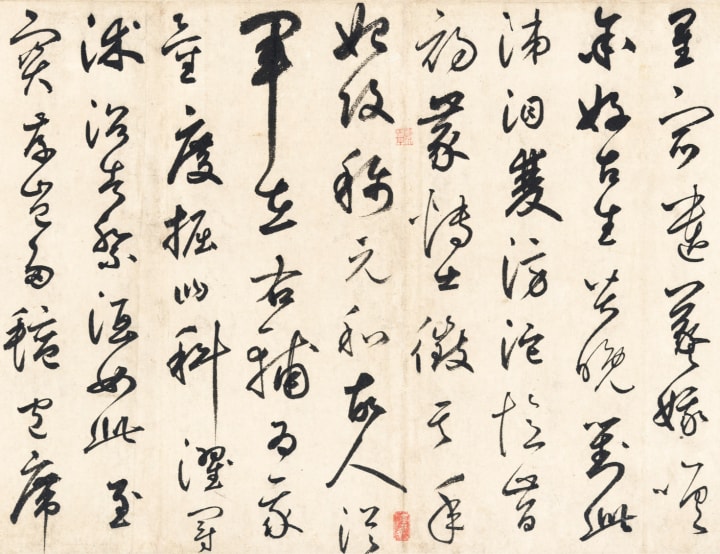
One of the most famous calligraphers in history is Wang Xizhi, who lived in China during the 4th century AD. Wang is credited with creating the "Lanting Xu," or "Preface to the Poems Composed at the Orchid Pavilion," which is considered one of the greatest masterpieces of Chinese calligraphy. The work consists of 324 characters, each carefully crafted with a brush, and is renowned for its elegance, beauty, and precision.
In the Islamic world, calligraphy is an important art form, often used to decorate mosques, books, and other religious objects. Islamic calligraphy is known for its intricate designs, elaborate scripts, and the use of geometric patterns and shapes. It is considered a spiritual practice, reflecting the beauty and majesty of Allah.
In Japan, calligraphy is known as "shadow" and is an essential part of Japanese culture. It is used for everything from traditional art to modern advertising and is considered a form of meditation. Japanese calligraphy emphasizes the beauty of the brushstroke and the harmony of the lines, resulting in a unique and beautiful style.
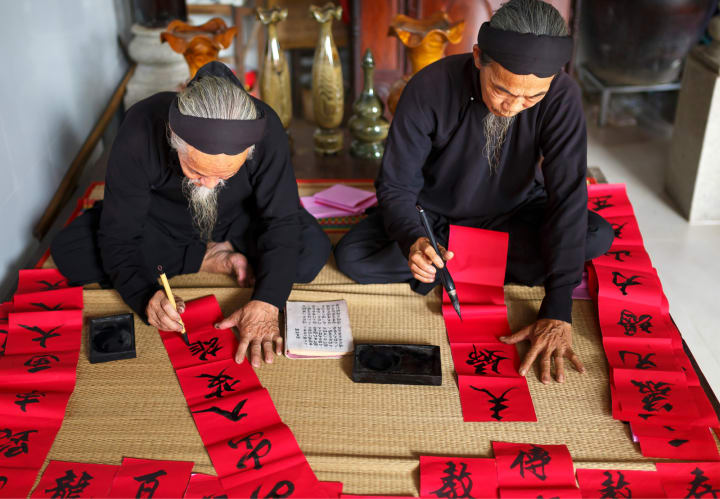
In the Western world, calligraphy has experienced a resurgence in popularity in recent years. Many people are drawn to the beauty and elegance of calligraphy and the sense of satisfaction that comes from creating something by hand. Calligraphy workshops, classes, and online courses are widely available, making it easier than ever to learn this timeless art form.
In conclusion, calligraphy is a beautiful and timeless art form that has captured the hearts of people around the world for centuries. Whether you're a beginner or an experienced calligrapher, there is always something new to learn and discover. With its rich history, intricate scripts, and the use of beautiful tools, a calligraphy is an art form that is both rewarding and inspiring. So why not explore the world of calligraphy and see where it takes you?
About the Creator
Gokila
She is an astrophile, introvert,
loves to read books all day long,
addicts in healthy lifestyle
and having curiosity to know about new things.
Life Is As Beautiful As You Make It. Contentment Is The Key To Happiness. Peace Be Upon The Saviour.
Why the Sun Will Never Go Supernova: The Science Explained
What Is a Supernova? A supernova is a massive stellar explosion that occurs at the end of a star’s life cycle. During a supernova, a star can briefly outshine an entire galaxy and release more energy than our Sun will produce in its entire lifetime.
By shahkar jalal5 days ago in Education
How I Minimized My Digital Shadow Without Disappearing From the Internet
A few months ago, I did something uncomfortable. I searched my own name. Not just on Google. I checked social media platforms, old forums, public directories, and even usernames I used years ago. I searched my email address. I searched my phone number. I wanted to see what someone else could see.
By Stephano kambeta6 days ago in Education



Comments (1)
very nice... also visit my blogs and support me.. thank you!!