
Burj khalifa
Reaching New Heights in Architectural Grandeur

Introduction:
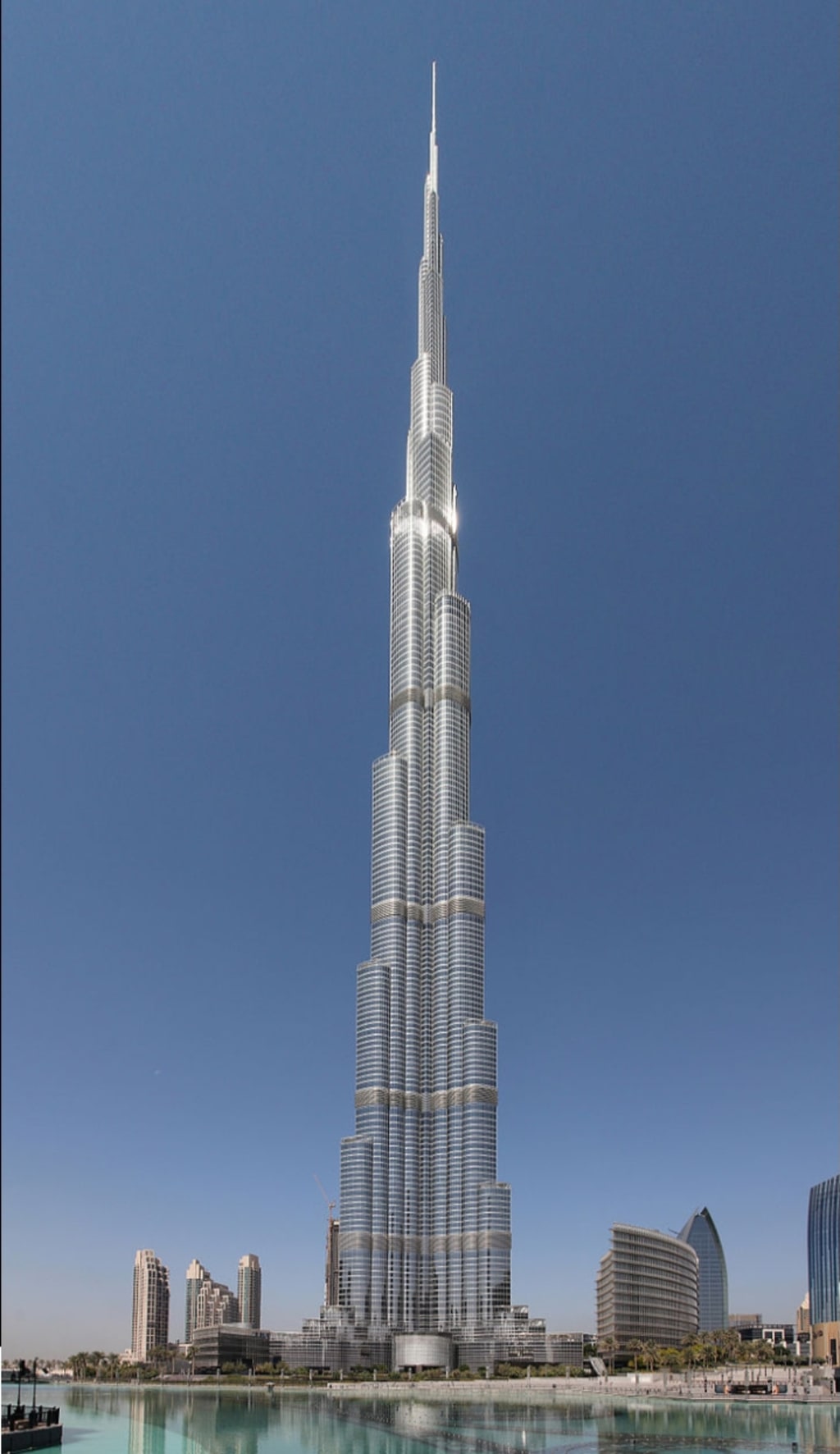
Standing majestically amidst the shimmering skyline of Dubai, the Burj Khalifa has become an icon of architectural marvel, redefining what is possible in the realm of skyscrapers. Soaring above the desert landscape, this awe-inspiring structure captures the imagination and leaves visitors in awe of its sheer magnificence. Let us delve into the fascinating story of Burj Khalifa, a symbol of human ambition and engineering brilliance.
The Vision:
The ambitious project was conceived with the intention to showcase Dubai's emergence as a global city, and to create an iconic landmark that would place the city firmly on the map of world-class destinations. Inspired by Islamic architecture and the Hymenocallis flower, the architectural firm Skidmore, Owings & Merrill (SOM) embarked on the task of designing a structure that would set new records and push the boundaries of engineering.
Construction and Engineering Marvels:
Construction of the Burj Khalifa began in 2004 and took over five years to complete, with its grand opening on January 4, 2010. The sheer scale of the project is mind-boggling. The tower stands at a height of 828 meters (2,717 feet), easily surpassing any other building on the planet. Its design and engineering solutions have set numerous records, including the tallest structure, highest occupied floor, and the longest elevator travel distance.
One of the most impressive engineering feats is the structural system. The Y-shaped design allows the tower to distribute the structural load and withstand the powerful desert winds. The exterior cladding, made up of reflective glazing and aluminum panels, provides both aesthetic beauty and energy efficiency. Burj Khalifa's foundation is another engineering marvel. It reaches a depth of 50 meters (164 feet) and consists of a network of concrete piles and a massive concrete mat.
Architectural Wonders:
Burj Khalifa is not just a triumph of engineering; it is a visual spectacle as well. The tower's graceful and tapering form is a tribute to Islamic design traditions, with the central core evoking the shape of a minaret. The intricate geometric patterns adorning the exterior and interior of the tower showcase the attention to detail and the cultural significance of the design.
At the pinnacle of the Burj Khalifa is the observation deck known as "At the Top." Offering breathtaking views of the city and beyond, this popular tourist attraction allows visitors to witness the magnificence of Dubai from a vantage point like no other. The interior spaces of the tower are no less impressive, featuring luxurious hotels, residential apartments, and commercial offices.
Symbolism and Legacy:
The Burj Khalifa represents not only the aspirations of Dubai but also the ingenuity and perseverance of human ambition. It has become a symbol of the city's rapid growth and modernization. The tower's presence has elevated Dubai's status as a global business and tourism hub, attracting millions of visitors each year.
Beyond its visual appeal and architectural significance, Burj Khalifa has also set new benchmarks for sustainable design. The tower incorporates numerous energy-saving technologies, including a condensate collection system, solar panels, and efficient cooling systems, making it an environmentally conscious structure.
Conclusion:
The Burj Khalifa stands tall as a testament to human achievement and the power of imagination. Its extraordinary design, engineering marvels, and symbolic significance have made it an iconic structure admired by people from all around the world. As Dubai continues to evolve, the Burj Khalifa remains a beacon of innovation, inviting us to look beyond the limits of what is possible and reach for the skies
About the Creator
How to Set Up a Home Security Camera System Like a Pro
When it comes to protecting your home and family, learning How to Set Up a Home Security Camera System Like a Pro can be a total game-changer. In Pakistan, where security concerns vary from bustling city neighborhoods in Karachi and Lahore to quieter residential areas in Islamabad and Faisalabad, installing a reliable surveillance system is no longer a luxury—it’s a necessity.
By Abdul Alim3 days ago in Education




Comments
There are no comments for this story
Be the first to respond and start the conversation.