
Building a Sustainable Future: Exploring Environmentally Friendly Construction Materials
Green Building Material Suggestions
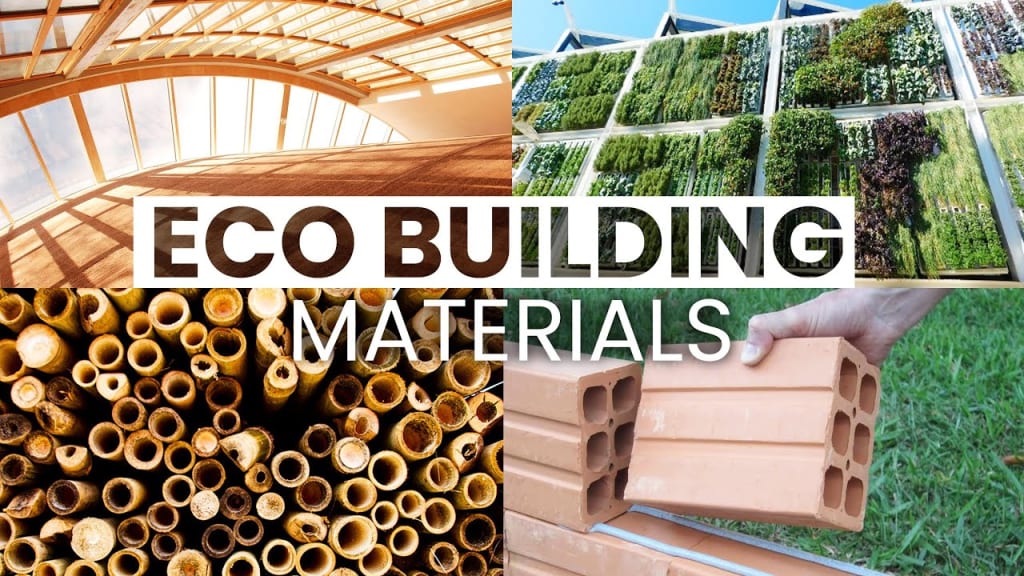
In today's world, the construction industry plays a significant role in shaping our environment. As concerns about climate change and environmental sustainability continue to grow, the demand for greener building practices has become increasingly important. One crucial aspect of sustainable construction is the use of environmentally friendly building materials. In this article, we will delve into the world of green building materials, exploring their benefits, innovations, and the positive impact they have on creating a sustainable future.
Understanding Green Building Materials:
Green building materials are specifically designed and selected to minimize negative impacts on the environment throughout their lifecycle. They prioritize resource efficiency, reduce waste, and promote energy conservation. By understanding the principles behind green building materials, we can make informed decisions that contribute to sustainable construction practices.
Sustainable Wood Alternatives:
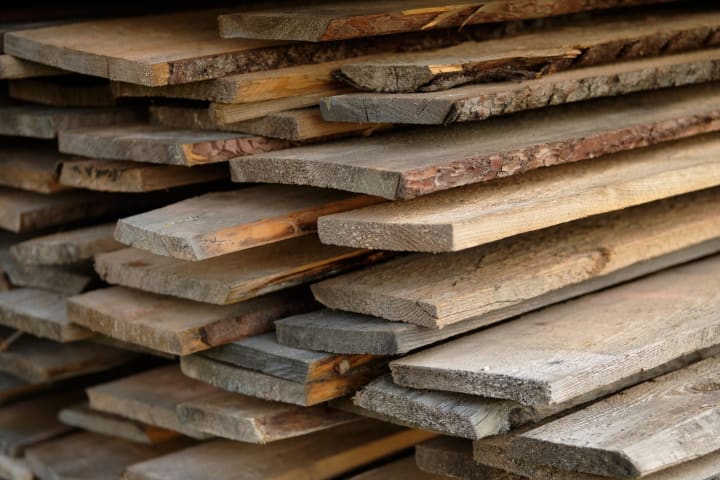
Traditional timber used in construction can have detrimental effects on forests and biodiversity. However, sustainable wood alternatives, such as bamboo and reclaimed wood, offer promising solutions. Bamboo is a rapidly renewable resource with excellent strength and durability, while reclaimed wood gives new life to salvaged materials, reducing the demand for virgin timber.

High-Performance Insulation:
Insulation is vital for energy efficiency and climate control in buildings. Innovative insulation materials like cellulose, made from recycled paper and treated with fire-resistant chemicals, recycled denim, which repurposes old jeans, and natural fibers such as sheep's wool, provide excellent thermal performance while reducing environmental impact.

Recycled and Recyclable Materials:
The use of recycled and recyclable materials is a key aspect of sustainable construction. Materials like recycled steel, glass, and concrete help reduce waste, conserve resources, and minimize the need for extraction and production of new materials. By incorporating these materials into construction projects, we can embrace a circular economy approach.

Energy-Efficient Windows and Glazing:
Windows and glazing have a significant impact on a building's energy efficiency. Low-emissivity coatings, multiple panes, and insulated glazing systems contribute to reduced heat transfer, lower energy consumption, and enhanced comfort. Exploring these energy-efficient glass technologies enables us to maximize natural light while minimizing energy loss.

Green Roofing Solutions:
Green roofs offer a host of environmental benefits, including improved insulation, stormwater management, and urban heat island reduction. Vegetated roofs covered in plants and vegetation provide thermal insulation, absorb rainwater, and create green spaces. Solar-reflective roofing systems reflect sunlight, reducing heat absorption and cooling demands.

Cutting-Edge Solar Technologies:
Solar power is a renewable energy source with immense potential. Building-integrated photovoltaics (BIPV), which seamlessly integrate solar panels into building components, and solar shingles that resemble traditional roofing materials, combine energy generation with architectural design. These innovative solar technologies contribute to sustainable energy production.
Eco-Friendly Flooring Options:
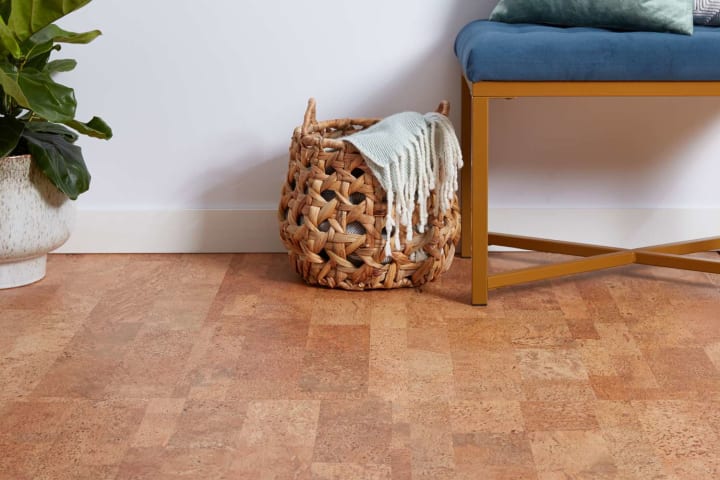
Traditional flooring materials often contain harmful chemicals and have a significant environmental impact. Sustainable flooring alternatives like bamboo, known for its rapid growth and durability, cork harvested from renewable bark, reclaimed wood repurposed from old structures, and recycled tile made from post-consumer waste offer durable, aesthetically pleasing, and eco-friendly options.
Innovative Concrete Solutions:
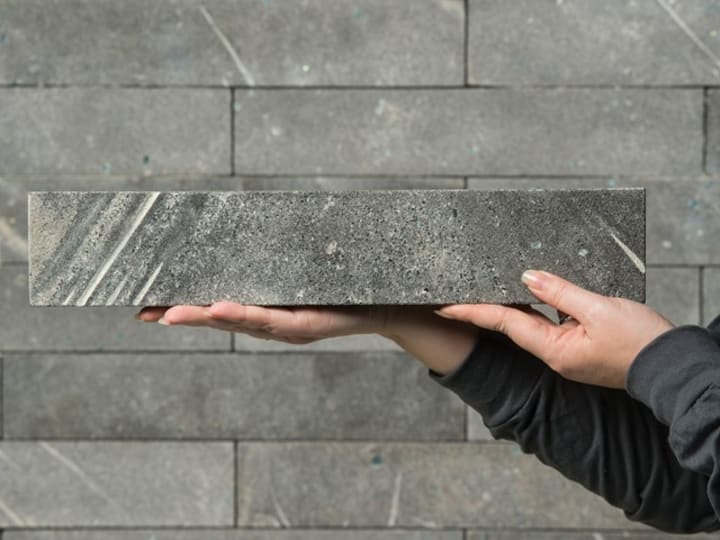
Concrete is a widely used construction material, but its production is associated with significant carbon emissions. Low-carbon and alternative cementitious materials, such as fly ash and slag, reduce the carbon footprint of concrete. Self-healing concrete incorporates bacteria that repair cracks, increasing durability, while 3D-printed structures minimize material waste and construction time.
Conclusion:
As we aspire to build a sustainable future, incorporating environmentally friendly construction materials is a vital step. Green building materials offer immense potential to reduce our ecological footprint, conserve resources, and mitigate climate change. By embracing sustainable wood alternatives, high-performance insulation, recycled and recyclable materials, energy-efficient windows and glazing, green roofing solutions, cutting-edge solar technologies, eco-friendly flooring options, and innovative concrete solutions, we can create buildings that are not only energy-efficient and durable but also promote the health and well-being of occupants. Let's come together to make sustainable construction a cornerstone of our future, shaping a world that harmonizes with the environment and supports a better tomorrow.
About the Creator
NovelNest Books
Book Recommendations
Keep reading
More stories from NovelNest Books and writers in Education and other communities.
5 Medicinal Herbs For Better Sleep
In today's fast-paced world, getting a good night's sleep has become increasingly challenging. Many people struggle with insomnia, restless nights, and an overall lack of quality sleep. While there are various approaches to improving sleep, turning to nature's healing herbs can offer a gentle and effective solution. In this blog post, we will explore five powerful herbs known for their sleep-enhancing properties. Incorporating these herbs into your bedtime routine may help you achieve a more restful and rejuvenating sleep.
By NovelNest Books3 years ago in Education
What Should Be Your Main Focus During an Online Limited Radiology Tech Program
Well, the short answer is that there is not a single module that you should strictly focus on. If you want to become a X-ray technician, you need to develop both technical and soft skills.
By Meaghan Howe7 minutes ago in Education
NCLEX Study Plan: A Step-by-Step Guide for Nursing Students
Preparing for the NCLEX-RN is one of the most important milestones in the nursing students’ career. This is because the NCLEX is the final step before nursing students can become licensed nurses. However, it is not as easy as simply reading nursing textbooks and taking notes from class lectures. This is because the NCLEX is designed to test the nursing students’ clinical judgment and decision-making skills.
By Sulcus Learning2 days ago in Education
Hottest in the Office
Dear Rafi, You’re very distracting to work around. For the first second I saw you the other day, I thought you were some type of executive. It took a moment to realize no, you were just the new guy, dressed up for the job he wants. Be still, my heart.
By Gabriel Shamesa day ago in Pride




Comments
There are no comments for this story
Be the first to respond and start the conversation.