
Budgeting With Foreign Education Loans: How to Plan Your Finances?
Smart Budgeting Tips for Students Using Foreign Education Loans

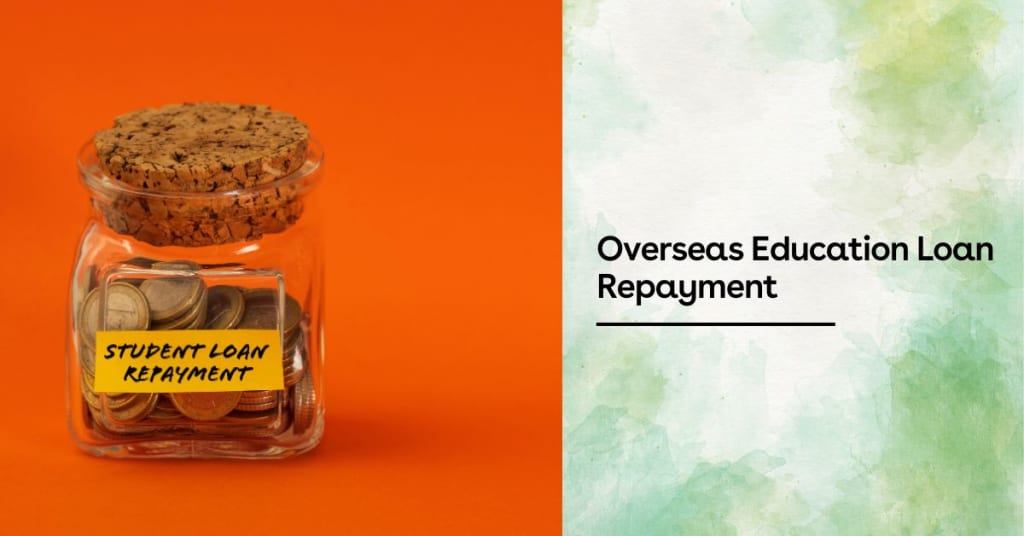
Getting an overseas education loan is like a boost towards reaching your academic and career goals. However, it is also a significant responsibility. Most overseas education loans have a moratorium period, which gives you the breathing space to plan a solid budget that accounts for all your recurring expenses. By employing smart strategies to fit your financial goals, you can enjoy student life abroad without stress or worry. Budgeting is a habit that takes regular practice, like many other skills you may already possess.
Setting a few minutes aside each day to keep track of your money will also help you in the long run, when you begin making EMI payments on your foreign education loan. In this article, let us learn more about the skill of budgeting and how it helps international students.
The Importance of Budgeting for Students with a Foreign Education Loan
You might be wondering – why do you even need a budget? Well, with the responsibility of a foreign education loan and other expenses, keeping track of your finances helps you feel a little less overwhelmed and a little more independent.
As a student, you typically have access to limited financial resources, including the loan amount, your savings, and any income earned from part-time jobs. Budgeting helps you with the following aspects:
- It helps keep you accountable and responsible
- It helps you plan on how to use and save your money
- It helps you ensure that you don’t overspend or fall short of money for the essentials
All in all, it is important to learn how to spend your money in a controlled manner through budgeting. That way, by the time you leave University, you will already have a plan to pay off your foreign education loan without compromising your other financial responsibilities. In the next section, we will discuss the step-by-step process of making a realistic student budget.
Steps to Create an Efficient Budget with a Foreign Education Loan
When building a budget, the best way to keep it realistic is to start with the inevitable. Understand how much you owe in terms of your foreign education loan process each month and the due date for interest or EMI payments. After that, outline the rest of your budget by following the steps given below.
- Determine the Income Sources
As an international student, you might rely on several streams of income, including your education loan disbursement, scholarships, part-time work wages, money from paid internships and freelance work, etc. The exact income you get can vary, so you should allocate funds to your expenses accordingly.
- Determine the Major Expenses
Your expenses should be categorized by the frequency with which they occur. Some expenses like tuition, rent, insurance, bills, loan interest, etc., are constant throughout the year. Some expenses are more flexible, like groceries, transport, or leisure activities.
You should also account for unexpected costs like extra academic supplies, paid workshops or networking events, and even emergencies.
- Allocate Funds Wisely
As an international student, you will want to take advantage of being in a foreign country by travelling, sampling the local delicacies, and learning about the culture. You can certainly include those things in your budget, as long as you use the 50/30/20 rule.
This rule dictates that one should allocate 50% of their budget on essential expenses, 30% on non-essentials, and 20% on savings and loan repayment. You should also put some money away in an emergency fund for unexpected but inevitable events.
- Balance the Budget Regularly
Balancing the budget means ensuring that your income matches your expenses. You can either have a budget surplus, deficit, or balance. Surplus means that your income is more than your expenses, so you’re left with some extra money at the end of the month. You can put this money aside or pay it towards your foreign education loan.
A deficit means that your expenses outweigh your income, which means you either need to increase your income or cut down on some non-essential expenses. A balanced budget is like a yin and yang symbol, with equal amounts of income and expenditure.
- Use Tools to Keep Track of the Budget
There’s an app for everything, including creating and tracking a budget. But if you work better with pen and paper or Excel spreadsheets, that’s good enough too, if you keep things consistent and efficient.
This helps you put your goals into perspective – whether that’s building a lump sum to pay off your education loan early or building up savings. You can also use online loan calculators to get a realistic timeline for repayment.
- Look for Ways to Save Money
Student life is a balancing act between academics, responsibilities, and fun. Making a student budget is much the same way – your budget isn’t realistic if you’re not accounting for little treats or unique experiences. However, having a student ID gives you some smart ways to cut costs and save up wherever you can.
You can use student discounts at many stores, museums, and libraries. Similarly, you can cut costs by shopping during sales or from thrift stores and sharing streaming services with friends to bring down your overall expenditure.
To conclude, student budgeting is easy with some practice and planning. You can even set up a budget with the help of overseas education consultants, whose experts can help you on matters like the best bank for education loans for abroad studies or the most efficient ways to track your loan payments.
About the Creator
Riya Niar
I am dedicated professional counselor at ELAN Overseas Education Loan, specializing in assisting students with obtaining the best study abroad loan options. With a passion for helping students achieve their dreams of studying abroad.
Are Australian Homes Losing Solar Power at Night? The Real Role of Battery Energy Storage Systems
Australia is one of the world’s leaders in rooftop solar adoption, yet many households still face high electricity bills after sunset. Solar panels generate plenty of power during the day, but without storage, much of that energy is sent back to the grid for minimal returns. Later, homes buy electricity back at higher prices.
By bluematrix3 days ago in Education



Comments
There are no comments for this story
Be the first to respond and start the conversation.