
Budgeting for Beginners: A Step-by-Step Guide
Mastering Your Finances: A Simple Guide to Budgeting for Beginners

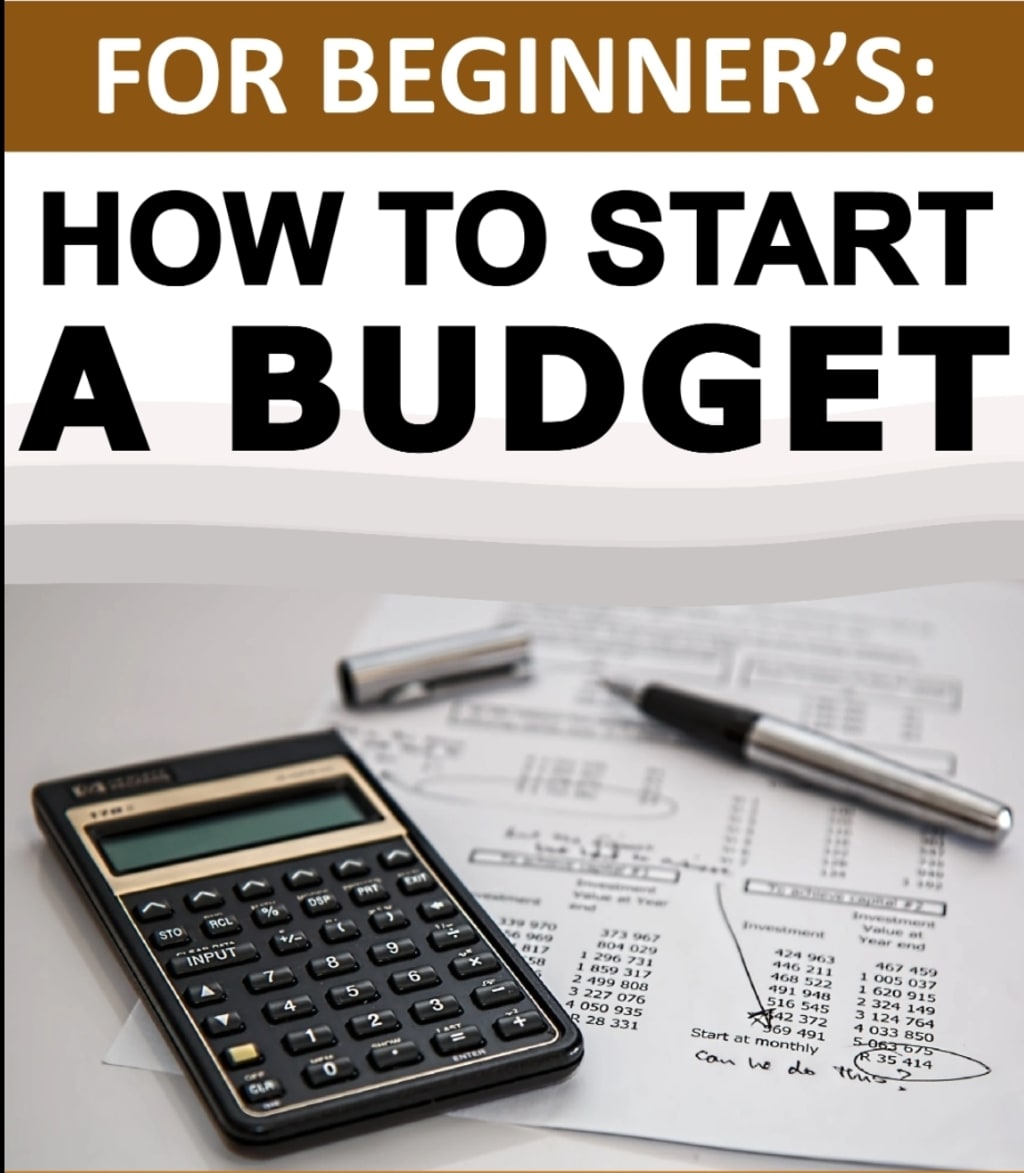
**Budgeting for Beginners: A Step-by-Step Guide**
Budgeting is one of the most important skills you can develop to take control of your finances. Whether you’re just starting out in your career, looking to manage your spending, or saving for a specific goal, creating a budget can help you achieve your financial goals with clarity and confidence. In this guide, we'll break down budgeting for beginners and provide you with a step-by-step process to get started on your financial journey.
### Why Budgeting is Essential
Before diving into the details of creating a budget, it's important to understand why budgeting matters. Many people have a general sense of their financial situation, but without a budget, they may find themselves overspending, getting into debt, or missing out on opportunities to save and invest.
A budget is essentially a plan for your money, helping you allocate your income to various expenses, savings, and investments. It allows you to:
- **Track your spending**: See where your money is going and identify areas where you might be overspending.
- **Save for future goals**: Whether it’s building an emergency fund, buying a house, or going on vacation, a budget helps you allocate funds for your goals.
- **Avoid debt**: By managing your spending and setting limits on non-essential expenses, you can reduce the likelihood of accumulating debt.
- **Improve financial freedom**: With a budget, you can make informed decisions about your money, giving you more control and freedom to live the life you want.
### Step 1: Assess Your Current Financial Situation
The first step in creating a budget is understanding where you currently stand financially. This means assessing your income, expenses, debts, and savings. Take a moment to gather all relevant information:
1. **Income**: This includes all sources of money you receive, such as your salary, side income, or any other regular payments. If you have a fluctuating income, it’s best to estimate the average over the past few months.
2. **Fixed Expenses**: These are costs that remain the same every month, such as rent or mortgage payments, utilities, car payments, and insurance.
3. **Variable Expenses**: These are costs that can change from month to month, such as groceries, transportation, and entertainment.
4. **Debt**: Include any outstanding loans, credit card balances, or other debt that requires regular payments.
5. **Savings**: Consider your current savings and any long-term goals like retirement or a down payment on a home.
### Step 2: Categorize Your Expenses
Once you’ve gathered all your financial information, the next step is to categorize your expenses. Break down your spending into categories that make sense for your lifestyle. Some common categories include:
- **Housing**: Rent or mortgage, utilities, property taxes, etc.
- **Transportation**: Car payments, fuel, public transportation, insurance.
- **Food**: Groceries, dining out, coffee shops, etc.
- **Insurance**: Health insurance, car insurance, life insurance, etc.
- **Savings and Investments**: Emergency fund, retirement, investment accounts, etc.
- **Debt Repayments**: Credit card payments, student loans, personal loans, etc.
- **Entertainment and Leisure**: Movies, sports, hobbies, vacations, etc.
- **Miscellaneous**: Gifts, clothing, personal care, and other irregular expenses.
By categorizing your expenses, you can see where your money is going and identify areas where you may be able to cut back.
### Step 3: Set Financial Goals
Your budget should align with your financial goals. Whether it’s saving for a vacation, paying off credit card debt, or building an emergency fund, having clear goals will help you stay motivated and focused.
Start by identifying both short-term and long-term goals:
- **Short-term goals**: These may include building an emergency fund, paying off high-interest credit card debt, or saving for a special event or purchase.
- **Long-term goals**: These could involve saving for retirement, buying a home, or paying off student loans.
Once you’ve identified your goals, prioritize them based on urgency and importance. For example, building an emergency fund should generally take precedence over saving for a vacation, as it provides financial security in case of unexpected expenses.
### Step 4: Create Your Budget
Now that you have a clear understanding of your finances and goals, it’s time to create your budget. There are several budgeting methods you can use, depending on your personal preferences and financial situation.
#### The 50/30/20 Rule
One of the simplest and most popular budgeting methods is the 50/30/20 rule. This rule divides your income into three categories:
- **50% for Needs**: This includes essential expenses like housing, utilities, transportation, food, and insurance.
- **30% for Wants**: These are non-essential expenses such as dining out, entertainment, and shopping.
- **20% for Savings and Debt Repayment**: Allocate 20% of your income to savings, investments, and paying off debt.
This rule provides a balanced approach to managing your finances, ensuring that you cover your essentials while still leaving room for enjoyment and long-term financial goals.
#### Zero-Based Budgeting
In a zero-based budget, every dollar of your income is assigned to a specific category. The goal is to ensure that your expenses equal your income, leaving no money unaccounted for. This approach helps you prioritize needs over wants and ensures you’re intentional with every dollar.
To use zero-based budgeting, start by listing all your income and expenses, and then allocate funds to each category. After doing this, adjust your spending until your income and expenses match.
#### Envelope System
The envelope system is a hands-on approach to budgeting where you use cash to manage spending in different categories. For example, you might have an envelope for groceries, an envelope for entertainment, and so on. Once the cash in each envelope is gone, you cannot spend any more in that category for the month.
This method can be useful if you struggle with overspending or want to avoid using credit cards.
### Step 5: Track Your Spending
Once your budget is set, it’s crucial to track your spending. This will help you stay accountable and ensure you’re sticking to your budget. There are several ways to track your spending:
- **Manual tracking**: Write down each expense in a notebook or a budgeting app.
- **Budgeting apps**: There are many apps available, such as Mint, YNAB (You Need a Budget), or EveryDollar, that can automatically track your expenses by linking to your bank account.
- **Spreadsheets**: If you prefer a more hands-on approach, you can use spreadsheets to track your income and expenses.
Regularly reviewing your spending will help you identify any areas where you’re overspending and make adjustments as needed.
### Step 6: Adjust Your Budget as Needed
Budgets are not set in stone. Life changes, and your budget should reflect those changes. If you find that you’re consistently overspending in one category or if you get a raise or change jobs, it’s important to revisit and adjust your budget accordingly.
Additionally, if you’re not meeting your savings goals, consider re-evaluating your wants category and finding ways to cut back on non-essential expenses.
### Step 7: Stay Consistent and Review Regularly
Creating a budget is just the beginning—staying consistent with it is key to long-term success. Make it a habit to review your budget regularly, track your spending, and adjust as needed. The more consistently you follow your budget, the more likely you’ll be to achieve your financial goals.
### Conclusion
Budgeting is a powerful tool for managing your money, reaching your financial goals, and gaining control over your financial future. By following these steps—assessing your finances, categorizing your expenses, setting goals, and tracking your spending—you’ll be well on your way to financial success. Remember that budgeting is a process, and it's okay to make adjustments along the way. Stay committed, and over time, you’ll reap the rewards of a well-managed budget.
About the Creator
Nora Ariana
Empowering through stories and sound igniting purpose, sparking growth, and awakening the power within.
Keep reading
More stories from Nora Ariana and writers in Education and other communities.
A goal is a dream with a deadline
A goal is a dream with a deadline. This powerful quote reminds us that without action, dreams remain just that wishes floating in our imagination. But when we set a timeline and commit to achieving them, they evolve into goals, bringing clarity, direction, and purpose. Many people go through life holding on to dreams, hoping they will come true someday. But someday is not a day on the calendar. Dreams without structure often fade with time or get buried under the weight of daily responsibilities. Turning a dream into a goal is what separates those who achieve from those who continue to wish.
By Nora ArianaExclusive • 10 months ago
A More Human Vocal
When we launched Vocal nearly a decade ago, the world was a very different place. LLMs did not exist, and stories were created one at a time by people sitting down to write, revise, and share something personal. Many of our assumptions about publishing, trust, and participation were built for a world where effort and output were inseparable.
By Justin @ Vocalabout 12 hours ago in Resources




Comments (1)
A great budgeting guide! Great work