

Introduction
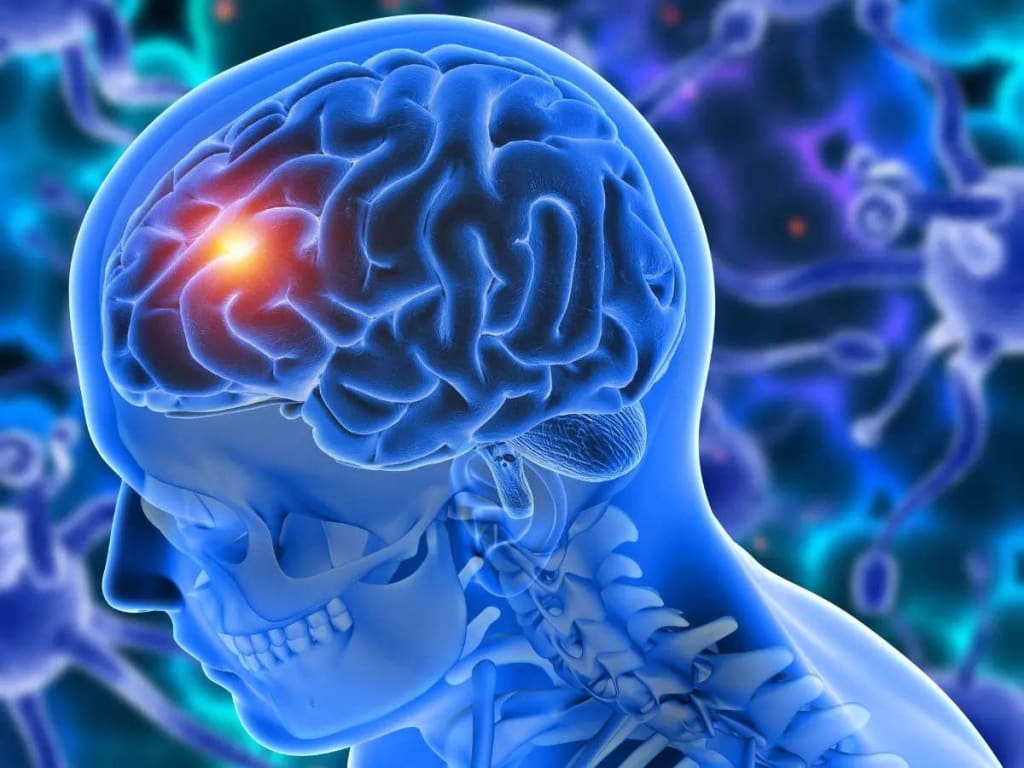
A brain tumor is an abnormal growth of cells in the brain or the surrounding tissues that can interfere with normal brain function. Brain tumors can be classified as either primary or secondary tumors. Primary tumors originate in the brain and its tissues, while secondary tumors are those that spread from other parts of the body to the brain. The symptoms of a brain tumor depend on its size, location, and rate of growth. The diagnosis of a brain tumor requires imaging tests, such as magnetic resonance imaging (MRI), computed tomography (CT) scans, and biopsy. The treatment options for brain tumors depend on the type, size, and location of the tumor, as well as the age and overall health of the patient. This essay will discuss brain tumors, including their causes, symptoms, diagnosis, treatment, and prognosis.
Causes of Brain Tumors
The causes of brain tumors are not well understood, although researchers have identified some risk factors that increase the likelihood of developing a brain tumor. These risk factors include exposure to ionizing radiation, a family history of brain tumors, and certain genetic disorders. Other risk factors may include exposure to certain chemicals or environmental toxins, as well as viral infections.
Symptoms of Brain Tumors
The symptoms of a brain tumor vary depending on its size, location, and rate of growth. Common symptoms include headaches, seizures, difficulty speaking or understanding language, weakness or numbness in the arms or legs, balance problems, and changes in vision or hearing. Other symptoms may include mood changes, memory loss, and changes in behavior or personality.
Diagnosis of Brain Tumors
The diagnosis of a brain tumor typically begins with a physical examination and a review of the patient's medical history. Imaging tests such as MRI, CT scans, and PET scans may be used to identify the presence of a brain tumor. A biopsy, which involves removing a small sample of tissue from the tumor, may be necessary to confirm the diagnosis and determine the type of brain tumor.
Treatment of Brain Tumors
The treatment of brain tumors depends on the type, size, and location of the tumor, as well as the age and overall health of the patient. Treatment options may include surgery, radiation therapy, and chemotherapy. In some cases, a combination of these treatments may be necessary. Surgery is often the first-line treatment for brain tumors, as it allows for the removal of as much of the tumor as possible. Radiation therapy and chemotherapy may be used in conjunction with surgery to kill any remaining cancer cells and prevent the tumor from growing back.
Prognosis of Brain Tumors
The prognosis for patients with brain tumors varies depending on the type, size, and location of the tumor, as well as the age and overall health of the patient. Some types of brain tumors, such as glioblastoma multiforme, are more aggressive and difficult to treat than others. The overall five-year survival rate for all types of brain tumors is approximately 35 percent.
Conclusion
Brain tumors are a serious and potentially life-threatening condition that can have a significant impact on a patient's quality of life. While the causes of brain tumors are not well understood, researchers have identified several risk factors that may increase the likelihood of developing a brain tumor. The symptoms of a brain tumor vary depending on its size, location, and rate of growth, and the diagnosis of a brain tumor typically requires imaging tests and biopsy. The treatment of brain tumors depends on the type, size, and location of the tumor, as well as the age and overall health of the patient. While the prognosis for patients with brain tumors varies, early diagnosis and treatment can improve outcomes and quality of life for those affected.
About the Creator
Muhammad Farman
..Hey. I'm Muhammad Farman and I upload my ideas on vocal media my ideas are based on stories, biography, Health diseases, education
Keep reading
More stories from Muhammad Farman and writers in Education and other communities.
The medical sciences
ntroduction: Medical sciences is an extensive and multidisciplinary field that encompasses various scientific and clinical disciplines. It deals with the study of the human body and its various systems, diseases, and treatments. The field of medical sciences has evolved significantly over the years, leading to significant advances in medical research, diagnosis, and treatment of various diseases. This essay aims to provide an in-depth analysis of medical sciences, its history, and how it has contributed to the advancement of modern medicine.
By Muhammad Farman3 years ago in Education
Where Real Growth Is Happening in Hospitality Today
On a recent trip, I checked into a small boutique hotel that remembered my name before I reached the front desk. The lobby felt less like a transaction point and more like a living room. The café next door doubled as a coworking space, and the staff moved with a kind of calm confidence that suggested they were part of something thoughtful, not rushed. It struck me that growth in hospitality no longer announces itself solely through grand openings. It shows up in subtler, smarter ways.
By Asad Malik4 days ago in Education
Why Chatbots Are Reshaping Digital Communication in the United Kingdom?
Digital communication is now the most common way that businesses and organizations communicate with customers․ In the UK, companies are increasingly using chatbots to provide automated responses to customer enquiries in real time, on websites, messaging apps and mobile apps․
By deepanshu Thakur4 days ago in Education




Comments
There are no comments for this story
Be the first to respond and start the conversation.